

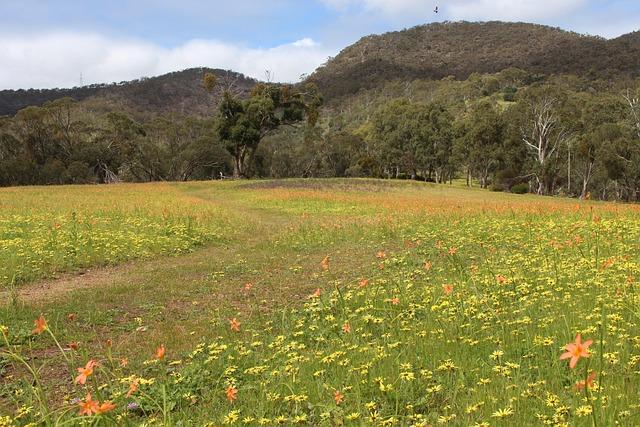
In the heart of Interior Alaska, a concerted effort is underway to bridge the gap between conservation initiatives and the diverse needs of local partners. The U.S. Fish and Wildlife Service (FWS) is leading the charge to address critical partner needs while fostering the preservation of native plant species that define this unique ecosystem. As climate change and human activity pose increasing threats to biodiversity, the FWS is not only advocating for the protection of native flora but also engaging with local communities, indigenous groups, and conservation organizations to cultivate collaborative solutions. This article delves into the innovative strategies being implemented to support native plant conservation efforts, highlighting the importance of partnership in safeguarding Alaska’s rich natural heritage for future generations.
Fostering Collaboration Between Agencies and Communities for Native Plant Conservation
Efforts to conserve native plants in Interior Alaska have increasingly highlighted the importance of collaborative partnerships between governmental agencies and local communities. By fostering open lines of communication, these partnerships enable the integration of traditional ecological knowledge with scientific research to develop more effective conservation strategies. Agencies such as the U.S. Fish and Wildlife Service (FWS) are working hand-in-hand with local organizations and indigenous groups to ensure that conservation actions are not only beneficial to the environment but also respectful of cultural practices and land uses. Such collaborations have led to the establishment of community-led initiatives that focus on native seed propagation and habitat restoration.
In these partnerships, several vital components come into play for successful native plant conservation efforts, including:
- Joint Workshops: Facilitating training sessions where community members can learn about the importance of native plants and hands-on restoration techniques.
- Data Sharing Agreements: Allowing agencies and communities to share data that can guide conservation planning and actions.
- Resource Mobilization: Identifying and leveraging funding opportunities to support local conservation projects.
To track progress and outcomes, agencies and communities may implement a collaborative reporting system. The following table outlines key indicators for measuring the impact of these partnerships on native plant conservation:
| Indicator | Description | Target Value |
|---|---|---|
| Native Species Restored | Number of native plant species actively restored in the area. | 10 species/year |
| Community Engagement | Number of local participants in conservation workshops. | 50 participants/session |
| Funding Secured | Total funding allocated to native plant projects. | $100,000 annually |
Understanding the Ecological Importance of Native Plants in Interior Alaska
The ecological significance of native plants in Interior Alaska cannot be overstated. These species form the backbone of local ecosystems, providing essential habitat and food sources for a variety of wildlife. Native plants have evolved in tandem with local conditions, adapting to the unique climates and soil types of the region. Their presence ensures the stability of ecosystems by:
- Enhancing soil fertility and structure
- Preventing erosion through deep-root systems
- Supporting pollinators and other beneficial insects critical to plant reproduction
Moreover, native plants play a vital role in cultural practices and traditional knowledge among Indigenous communities. They are often integrated into traditional diets, medicinal practices, and crafts, fostering a deep connection between people and their environment. Recognizing the intrinsic value of these species, conservation efforts focus on:
| Conservation Strategies | Description |
|---|---|
| Restoration Projects | Reintroducing native species to degraded habitats to support ecosystem recovery. |
| Educational Programs | Raising awareness about the ecological benefits of native plants among local communities. |
| Collaboration with Indigenous Groups | Incorporating traditional ecological knowledge into modern conservation practices. |
Implementing Effective Conservation Strategies to Meet Partner and Environmental Needs
In the pursuit of safeguarding native plant species, collaboration among various stakeholders is essential for the success of conservation initiatives. Engaging with local communities, indigenous groups, and scientific experts allows conservationists to gain valuable insights into ecological needs and cultural significance. Strategies to be implemented include:
- Community Workshops: Organizing sessions that educate and involve the public in conservation efforts.
- Partnership Development: Building alliances with local NGOs and government bodies to pool resources and expertise.
- Citizen Science Programs: Encouraging local residents to participate in biodiversity monitoring through hands-on activities.
Monitoring and addressing environmental needs through adaptive management practices is another cornerstone of effective conservation strategies. By integrating scientific research and traditional ecological knowledge, organizations can develop tailored approaches that resonate with community goals. Key activities may involve:
| Activity | Objective |
|---|---|
| Habitat Restoration | Enhance ecosystems to support native species. |
| Invasive Species Control | Reduce competition for resources among native plants. |
| Long-Term Monitoring | Assess the effectiveness of conservation measures over time. |
In Summary
In conclusion, the collaborative efforts outlined by the U.S. Fish and Wildlife Service (FWS) to address partner needs while championing native plant conservation in Interior Alaska represent a significant stride towards ecological sustainability. As stakeholders-from local communities to governmental entities-forge partnerships and engage in innovative strategies, the future of Alaska’s unique flora hangs in the balance. The commitment to preserving these vital ecosystems not only supports biodiversity but also enhances the resilience of local environments in the face of climate change. Ongoing initiatives, coupled with community involvement, are crucial in fostering an appreciation and understanding of the importance of native plants. As we look ahead, it is essential that these collaborative practices continue to evolve, ensuring that both nature and the people of Interior Alaska thrive in harmony. For more information and to stay updated on conservation efforts, visit FWS.gov.

