

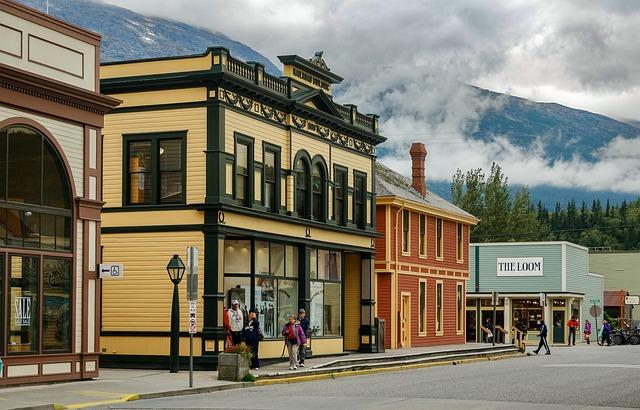
Exploring the Untamed Frontier: The Alaska Gold Rushes, 1897-1904
In the late 19th and early 20th centuries, the promise of untold riches transformed the rugged landscapes of Alaska into a bustling frontier of aspiration and adventure. The Alaska Gold Rushes, particularly from 1897 to 1904, drew fortune seekers from across the globe, igniting a mass migration known as the “Stampede North.” Fueled by tales of golden opportunities in the Klondike and beyond, thousands braved treacherous conditions in pursuit of a dream that would forever alter the demographic and economic fabric of the region. As the National Park Service highlights in their comprehensive examination of this pivotal era, the gold rush not only shaped the destinies of countless individuals but also left an indelible mark on Alaska’s natural and cultural landscape. This article delves into the historical significance of the Alaska Gold Rushes, uncovering the stories of those who ventured into the wild, the challenges they faced, and the lasting impact of this monumental migration.
The Allure of Riches: Exploring the Draw of the Alaska Gold Rush
The Alaska Gold Rush, which ignited fervor across the United States in the late 19th century, epitomized the desperate chase for wealth and opportunity. As word spread of gold discoveries in places like Bonanza Creek and Rabbit Creek, adventurers from all walks of life flocked northward, compelled by the promise of untold riches. This collective ambition was fueled by a deep belief that fortune favored the bold. The harsh realities of the journey did little to deter thousands from pursuing their dreams of striking gold, revealing a mix of hope and ignorance in the face of nature’s challenges.
The allure of potential wealth transformed these individuals into fearless prospectors, sparking a massive migration that reshaped demographics in the region. Many were driven not only by the desire for material gain but by the thrill of adventure and the aspiration for a new beginning. Significant factors influencing this monumental trek included:
- Media Hype: Newspapers and pamphlets romanticized the wealth of Alaska, creating a captivating narrative.
- Accessibility: The Klondike Trail and maritime routes made it possible for fortune-seekers to embark on the arduous journey.
- Community and Camaraderie: The prospect of shared struggles and successes fostered a sense of belonging among miners.
This rush was not merely an economic phenomenon; it represented a quintessential moment in the American spirit, where resilience and ambition converged in a rugged, remote landscape. Even for those who never found gold, the experience forged legendary stories of hardship and triumph that would continue to echo through history.
Legacies and Lessons: How the Gold Rush Shaped Contemporary Alaska
The Gold Rush of the late 19th century left an indelible mark on Alaska, influencing both its economy and cultural identity. The influx of prospectors and fortune-seekers transformed small coastal towns into bustling hubs of commerce, laying the groundwork for modern Alaskan cities. This period not only accelerated infrastructure development, such as roads and telegraph lines, but also initiated relations with Native Alaskan populations. Today, we see the lasting impact of these early interactions, as communities strive to balance the heritage of indigenous cultures with the demands of an economy driven by tourism and natural resource extraction.
Moreover, the Gold Rush era instilled a spirit of resilience and self-reliance that continues to define Alaskan life. Many contemporary residents echo the pioneering mentality of their ancestors, embodying principles of independence and innovation. Key lessons drawn from this period include the importance of resource management and environmental stewardship. As Alaska grapples with modern challenges like climate change, the history of the Gold Rush is a reminder of how past booms can inform sustainable practices moving forward. Communities are now focused on preserving their rich history while fostering an economy that respects both the land and its people.
| Legacy | Modern Lesson |
|---|---|
| Economic Transformation | Innovation in tourism and resource management |
| Cultural Interactions | Balancing indigenous rights with economic development |
| Pioneering Spirit | Emphasizing resilience and adaptability |
Preserving History: Recommendations for Visiting Gold Rush Sites Today
For history enthusiasts, visiting the Gold Rush sites of Alaska offers a breathtaking opportunity to step back in time. To enhance your experience, consider the following recommendations:
- Plan Your Itinerary: Research specific sites like Skagway, Dawson City, and Nome, each offering unique insights into the Gold Rush era.
- Wear Appropriate Gear: The terrain can be rugged. Ensure you have sturdy boots, weather-appropriate clothing, and essential supplies.
- Engage with Park Rangers: Utilize the expertise of park rangers, who offer guided tours and invaluable historical context about the gold seekers.
- Support Local Businesses: Engage with local shops and eateries; your patronage helps preserve the cultural landscape of these historical sites.
As you explore these historic locations, take advantage of the educational resources available. Many sites provide interpretive displays and interactive exhibits that bring the Gold Rush to life. Consider the following highlights:
| Site | Highlight |
|---|---|
| Skagway | Trail of 98 |
| Dawson City | Bonanza Creek |
| Nome | Gold Beach |
Taking part in local history reenactments or festivals can also enrich your visit, providing a vivid depiction of the past. Document your journey through photographs and notes, creating a personal historical record that honors the legacy of the adventurers whose dreams lured them northward.
Key Takeaways
As we reflect on the dramatic events of the Alaska Gold Rushes from 1897 to 1904, we uncover not only the allure of wealth and opportunity that drew thousands to the wilderness but also the profound impact these rushes had on the development of the region and its indigenous cultures. The National Park Service’s examination of “The Stampede North” provides invaluable insights into this pivotal chapter of American history, reminding us of the resilience and ambition that characterized the prospectors of the era.
Today, the echoes of the past resonate in the landscapes of Alaska, where the remnants of mining camps and the stories of those who braved the harsh elements continue to inspire curiosity and reflection. As we navigate the complexities of resource extraction and economic development in contemporary times, the legacy of the gold rush era serves as a cautionary tale, urging us to honor both the natural environment and the rich cultural narratives that accompany it.
In exploring this rich historical tapestry, we not only celebrate the spirit of adventure but also commit to preserving these narratives for future generations. With continued efforts to protect and interpret these significant sites, we can ensure that the story of the Alaska Gold Rush resonates beyond mere gold-offering profound lessons about human ambition, community, and the enduring ties to our shared past.

