

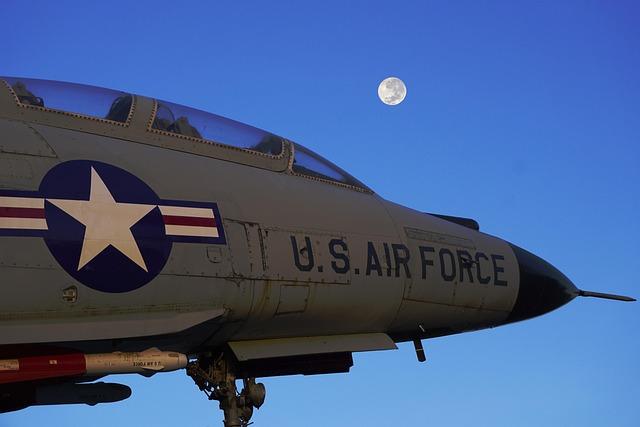
In a significant display of military readiness, U.S. fighter jets recently intercepted a group of Russian warplanes operating near the coast of Alaska, underscoring ongoing tensions between the two nations in the strategically sensitive Arctic region. The encounter highlights the heightened vigilance of the U.S. military in responding to foreign incursions into airspace viewed as critical to national security. As geopolitical dynamics continue to shift, incidents like these serve as a reminder of the delicate balance of power and the necessity for alertness in protecting U.S. interests in the area. This development marks another chapter in the complex narrative of U.S.-Russia relations and raises questions about both nations’ military strategies moving forward.
US Fighter Jets Respond to Russian Air Activity Near Alaska Coast
U.S. fighter jets were deployed to intercept a pair of Russian warplanes that ventured near the coast of Alaska, signaling a continued tension in relations between the two nations. The encounter occurred in international airspace and was promptly addressed by U.S. Northern Command, which cited a routine response to foreign military activity in the area. Military experts believe these maneuvers underscore Russia’s ongoing efforts to test U.S. air defenses and maintain a visible presence in contested regions.
During the interception, the Russian aircraft were identified as Tupolev Tu-95 bombers, long-range strategic bombers that have been used in past operations in various theaters. The U.S. Air Force dispatched F-22 Raptors, known for their stealth capabilities and advanced aerial combat technology, to ensure the safety of American airspace. The following points highlight the key aspects of the incident:
- Location: Near the Alaska coast, in international airspace.
- Response Time: Swift action taken by U.S. military forces.
- Military Assets: F-22 Raptors and Tupolev Tu-95 bombers.
- Strategic Implications: Heightened military vigilance in the Arctic region.
Implications of Increased Russian Military Flights in North American Airspace
Recent increases in Russian military aviation activity within North American airspace have raised significant concerns among U.S. defense officials. As Russian warplanes have been spotted near the Alaskan coast on multiple occasions, the implications extend beyond mere aerial provocations. Border security, military readiness, and diplomatic relations could all be impacted by these heightened tensions. The potential for miscalculations and misunderstandings in these encounters necessitates a reevaluation of current defense strategies and operational protocols in the Arctic region. These developments amplify the urgency for enhanced air defense systems and closer surveillance of foreign military maneuvers.
Furthermore, the geopolitical ramifications of this increased Russian presence cannot be overlooked. With U.S.-Russia relations already strained, such flights serve as a reminder of the delicate balance in international diplomacy. Stakeholders must consider the following implications:
- Strategic Military Posturing: Russia may be signaling its military capabilities and readiness to engage.
- Increased Military Spending: Anticipation of future incursions could compel the U.S. to bolster its military budget.
- Potential for Collaboration or Conflict: Navigating these airspace interactions could either foster dialogue or escalate tensions.
Analyzing these elements is vital for understanding how U.S. policy may evolve in response to Russian actions in North American airspace.
Strategies for Enhanced Monitoring and Defense Readiness in Arctic Regions
In light of recent incidents involving Russian warplanes near U.S. airspace, it is essential for defense strategists to adopt comprehensive measures for heightened monitoring and readiness in the Arctic. Enhanced surveillance capabilities are crucial for timely detection of any potential incursions, which might require advancements in sensor technologies and satellite imaging. By increasing cooperation among Arctic nations, we can facilitate shared intelligence, enabling a more coordinated response to challenges posed by foreign military activities. A proactive stance includes regular joint training exercises that simulate various scenarios, ensuring that units are well-prepared to respond swiftly and effectively to any aerial threats.
Additionally, the integration of cutting-edge drone technology into existing defense systems could revolutionize Arctic monitoring efforts. By deploying unmanned aerial vehicles (UAVs), military forces can cover vast stretches of terrain with greater efficiency and less risk to personnel. Moreover, it’s crucial to establish communication networks that bolster information sharing and real-time updates among NATO allies. A coordinated defense framework that incorporates satellite-based early warning systems could also be pivotal in detecting incursions long before they reach critical junctures. The need for robust funding and resource allocation is evident, as is the possibility of engaging in public-private partnerships for technological innovations in Arctic defense.
Final Thoughts
In conclusion, the recent interception of Russian warplanes by U.S. fighter jets near the Alaskan coast highlights the ongoing tensions between the two nations and the heightened military vigilance in the region. As geopolitical dynamics continue to evolve, the presence of U.S. forces in areas of strategic interest underscores America’s commitment to national security and readiness to respond to potential threats. The incident not only serves as a reminder of the complexities of international relations but also raises questions about future interactions in the airspace surrounding North America. As developments unfold, both military and diplomatic channels will remain crucial in managing these encounters and ensuring stability in the Arctic and beyond.

