

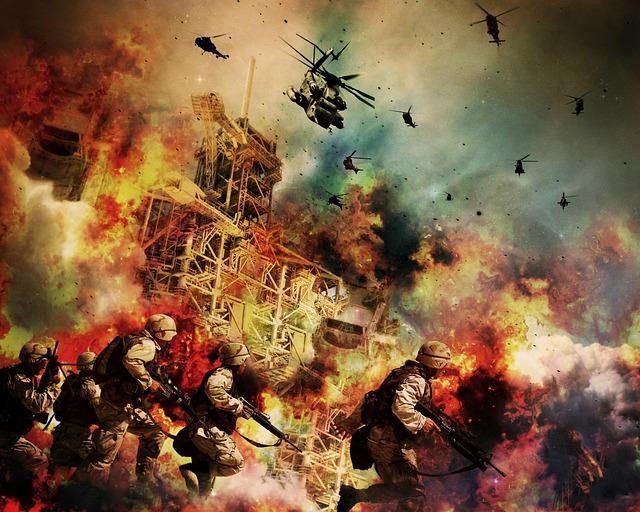
U.S. and Canadian military forces joined forces in a significant maritime strike exercise in the Bering Sea, showcasing their commitment to regional security and operational readiness. The exercise, conducted under the auspices of North American Aerospace Defense Command (NORAD), involved a series of complex maneuvers aimed at testing the capabilities of both nations’ naval and air forces in a challenging maritime environment. As tensions in the Arctic region continue to rise, this joint operation underscores the strategic importance of collaboration between the U.S. and Canada, highlighting their readiness to respond to potential threats and ensure the safety of their shared maritime interests. The drill not only serves as a demonstration of military prowess but also reinforces the strong partnership between the two nations in maintaining peace and stability in the ever-evolving geopolitical landscape.
U.S. and Canadian Forces Collaborate in Strategic Maritime Operations in the Bering Sea
The recent joint operation conducted by U.S. and Canadian forces in the Bering Sea highlights the collaborative efforts to enhance maritime security and readiness in a strategically significant region. Naval assets from both nations engaged in a series of complex maneuvers designed to strengthen their operational capabilities in response to potential threats. Operations included simulated anti-surface warfare, air defense tactics, and reconnaissance missions aimed at ensuring maritime safety and freedom of navigation. Such drills not only reinforce bilateral relations but also demonstrate a commitment to maintaining regional stability amidst a dynamic security landscape.
During the exercise, forces executed a variety of tactical scenarios to assess response strategies and coordination between air and naval fleets. Key elements of the operation featured:
- Joint Air and Surface Coordination: Integration of fighter jets and naval vessels to enhance situational awareness.
- Communications Drills: Testing secure channels to facilitate seamless operations.
- Logistical Support Exercises: Ensuring efficient supply chain management during extended maritime operations.
Results from the exercise will inform future training regimens and foster ongoing dialogue between military leaders, aiding in the development of more robust frameworks for collective defense. The operation serves as a testament to the enduring partnership between the U.S. and Canada, emphasizing their shared goal of safeguarding the Arctic and Pacific maritime domains.
Enhancing Bilateral Defense: Key Insights from Recent Exercises
The recent maritime strike scenario conducted by U.S. and Canadian forces in the Bering Sea exemplifies the growing collaboration between the two nations to fortify their defense posture in an increasingly complex geopolitical landscape. This exercise tested the capabilities of each force in simulated real-world conditions, enhancing operational readiness and interoperability. Key components of the drill included:
- Joint Planning Sessions: Coordinating strategies and tactics to ensure smooth execution during live maritime operations.
- Live-Fire Drills: Engaging targets to assess precision and effectiveness, critical for response scenarios.
- Information Sharing: Utilizing advanced communication technology to share real-time data concerning enemy movements.
The exercise’s success underscores the necessity for continuous partnership between the U.S. and Canada as they navigate shared security challenges. By working together, both nations can harness their respective strengths, leading to significant improvements in maritime defense. The outcomes of this recent drill include:
| Outcome | Description |
|---|---|
| Improved Coordination | Enhanced ability to operate seamlessly across diverse environments. |
| Increased Capability | Demonstrated advanced tactical capabilities under combat scenarios. |
| Strategic Positioning | Refined tactics for responding to emerging maritime threats in the Arctic region. |
Recommendations for Future Maritime Security Initiatives in the Arctic Region
In light of the recent joint maritime strike exercises conducted by U.S. and Canadian forces in the Bering Sea, it becomes imperative to explore innovative approaches to enhance maritime security in the Arctic. As the rapidly changing climate opens new maritime routes, the region faces increased geopolitical tensions and a host of emerging threats. In response, future initiatives should focus on the following key areas:
- Enhanced Surveillance: Developing advanced satellite and aerial reconnaissance systems to monitor maritime activities and detect potential threats.
- International Collaboration: Strengthening partnerships among Arctic nations to ensure cohesive strategy development and information sharing.
- Infrastructure Development: Investing in ports and communication facilities that support rapid deployment of naval assets and improve response times.
Moreover, fostering community engagement and empowering indigenous populations can provide valuable insights into traditional practices for environmental stewardship. An emphasis on training and resource allocation will be crucial for effective operational readiness. To institutionalize these recommendations, a coordinated strategy should include:
| Initiative | Objective | Expected Outcome |
|---|---|---|
| Maritime Domain Awareness Program | Increase real-time monitoring capabilities | Early detection of illegal activities |
| Joint Training Exercises | Enhance interoperability among forces | Improved response coordination |
| Climate Impact Assessments | Understand changing maritime conditions | Proactive adaptation strategies |
In Conclusion
In conclusion, the recent maritime strike scenario conducted by U.S. and Canadian forces in the Bering Sea underscores the enduring commitment of both nations to enhance joint operational capabilities and ensure regional security. This collaborative exercise not only strengthens the bilateral military relationship but also serves as a strategic reminder of the importance of preparedness in an increasingly complex geopolitical landscape. As Arctic tensions rise, joint operations like these are essential in promoting stability and cooperation in the region. The successful execution of this scenario marks another step forward in fostering a united front against emerging challenges in the maritime domain. As defense initiatives evolve, both nations remain poised to adapt and respond effectively, ensuring the safety and security of their shared interests in the Arctic and beyond.

