

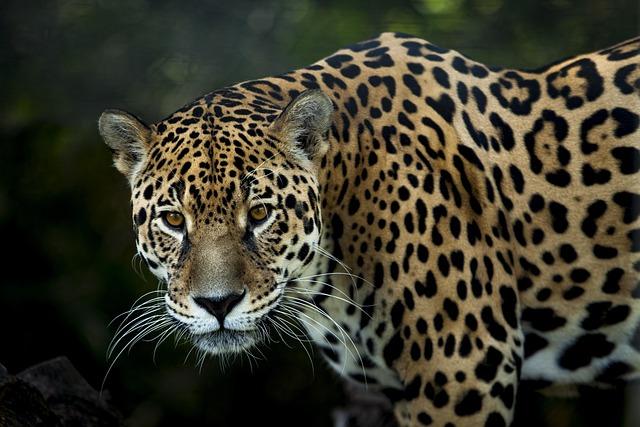
In a remarkable sign of ecological resilience, conservationists celebrate the recent sighting of a jaguar in Arizona, marking a significant departure from its traditional habitats in Central and South America. This rare appearance not only underscores the ongoing recovery efforts for the elusive big cat but also ignites discussions about wildlife migration patterns in response to climate change and habitat preservation. With its majestic presence, the jaguar, known for its distinctive spotted coat and solitary nature, could indicate a broader resurgence of biodiversity in the region-a hopeful signal that species once thought to be confined to specific subtropical zones may be reclaiming territory lost to urbanization and environmental degradation. As scientists continue to monitor this unexpected development, the sighting serves as a pivotal reminder of the interconnectedness of ecosystems and the ongoing challenges facing wildlife conservation efforts across North America.
Jaguar Sightings Signal Hope for Species Recovery in Arizona
Recent sightings of jaguars in Arizona have sparked renewed optimism among conservationists regarding the species’ potential for recovery in the United States. Once native to regions that stretched into the southwestern U.S., these majestic cats faced significant decline due to habitat destruction and hunting. With confirmed sightings occurring well beyond their traditional range in Central and South America, wildlife officials are keen to understand the implications this has for jaguar populations and ecological balance in the Arizona landscape.
Experts highlight several key factors contributing to this hopeful resurgence:
- Expanded Habitat: Conservation efforts aimed at preserving and restoring natural landscapes are proving effective in creating corridors suitable for jaguar movement.
- Increased Prey Availability: A healthy and thriving ecosystem supports diverse wildlife populations, ensuring that jaguars have sufficient prey.
- Public Awareness: Ongoing education about the importance of the jaguar’s role in the ecosystem is fostering greater public support for conservation measures.
A table compiled by wildlife researchers highlights recent sightings, reinforcing the narrative of recovery:
| Date | Location | Notes |
|---|---|---|
| January 2023 | Santa Rita Mountains | Female jaguar captured on camera trap. |
| March 2023 | Cochise County | Male jaguar sighted near water source. |
| August 2023 | Coronado National Forest | Tracks found, indicating presence. |
Ecological Impact of Jaguars’ Return to the Southwestern United States
The recent sighting of a jaguar in Arizona marks a pivotal moment for both the species and the ecosystems of the Southwestern United States. As apex predators, jaguars play a crucial role in maintaining the health of their habitats. Their presence can lead to a number of ecological benefits, particularly in the following ways:
- Population Control: By preying on herbivores, jaguars help balance animal populations, preventing overgrazing that could damage plant life.
- Biodiversity Enhancement: The return of jaguars can foster a more diverse ecosystem, as their hunting patterns support various other species within the food web.
- Habitat Restoration: The predation activity of jaguars can support the health of forested areas, facilitating a regeneration of native flora and fauna.
The re-establishment of this species also signifies a shift in conservation strategies. Once regarded as an endangered species in North America, the jaguar’s return indicates a broader trend of wildlife recovery efforts gaining traction. Several factors contribute to this positive trajectory, including:
| Factor | Impact |
|---|---|
| Protected Areas | Increased safety and habitat preservation for wildlife. |
| Wildlife Corridors | Facilitates the movement of species across fragmented landscapes. |
| Community Engagement | Local involvement in conservation efforts fosters support and awareness. |
This revitalization highlights the intricate link between species recovery and ecosystem health, demonstrating that the return of a single species can catalyze profound ecological change.
Conservation Strategies Essential for Sustaining Jaguar Populations in New Habitats
As jaguar populations expand into new territories, particularly in the southern United States, it’s crucial to implement effective conservation strategies that will ensure their sustainability and protection far from their traditional Central and South American habitats. Key strategies include:
- Habitat Restoration: Prioritizing the restoration of natural ecosystems to provide the necessary space and resources for jaguars to thrive.
- Wildlife Corridors: Establishing protected corridors that link existing habitats can facilitate safe movement between populations, reducing the risks of isolation.
- Community Engagement: Involving local communities in conservation efforts to foster coexistence, educate about the importance of jaguars, and mitigate human-wildlife conflict.
- Research and Monitoring: Implementing continuous research programs to monitor jaguar movements and behaviors, which will help inform future conservation initiatives.
Furthermore, collaboration between governmental and non-governmental organizations will enhance conservation efforts. A recent initiative includes a partnership aimed at creating a comprehensive strategy for jaguar conservation that combines:
| Collaboration Type | Description |
|---|---|
| Public Awareness Campaigns | Efforts to raise awareness about jaguar protection and their ecological significance. |
| Policy Development | Advocating for land protections that consider wildlife needs within developmental planning. |
| Data Sharing | Coordinating data among agencies to improve the understanding of jaguar population dynamics. |
These strategic approaches are vital to ensure that jaguars can not only survive but also flourish in newly accessible habitats, reinforcing their role as apex predators and integral components of their ecosystems.
To Conclude
As conservation efforts continue to make headway, the recent sighting of a jaguar in Arizona serves as a hopeful reminder of the resilience of wildlife in the face of environmental challenges. This remarkable occurrence not only highlights the adaptability of the species but also underscores the importance of ongoing habitat preservation initiatives. The return of the jaguar, once thought to be confined to its Central and South American territories, offers a compelling narrative of recovery and survival. As wildlife advocates and researchers keep a close watch on this developing story, the jaguar’s presence in Arizona symbolizes a broader commitment to restoring and protecting ecological integrity across borders. The implications for biodiversity and ecosystem health are profound, emphasizing the need for continued efforts in conservation and habitat restoration. As we move forward, this sighting may be just the beginning of a resurgence for the jaguar in the American Southwest, sparking hope for both the species and the ecosystems they inhabit.

