

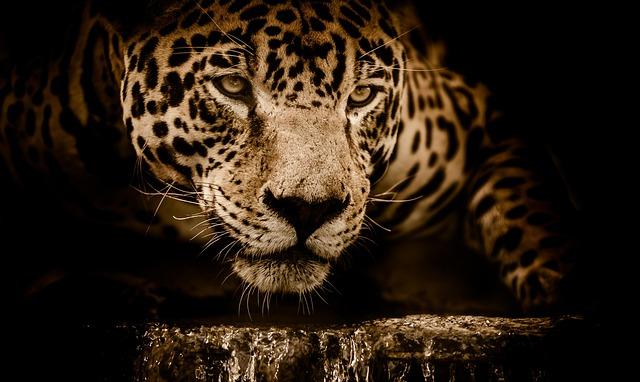
Rare Photo of Jaguar in Arizona Sparks Conservation Hopes
In a remarkable development for wildlife enthusiasts and ecologists alike, a rare photo capturing a jaguar in the rugged landscapes of Southern Arizona has surfaced, reigniting discussions about conservation efforts for this elusive feline. The World Wildlife Fund (WWF) confirmed the sighting, highlighting the significance of the photograph taken by a wildlife camera in a remote area known for its biodiversity. This sighting represents not just a fleeting moment of beauty, but also a crucial indicator of the jaguar’s potential return to habitats from which it has largely disappeared. As conservationists work tirelessly to protect and restore natural environments, this recent discovery offers a glimmer of hope and a call to action to safeguard endangered species and their habitats in the American Southwest.
Rare Sightings of Jaguars in Arizona Highlight Biodiversity Conservation Efforts
Recent sightings of jaguars in Arizona have astonished wildlife enthusiasts and conservationists alike. This rare occurrence serves as a vivid reminder of the essential role that biodiversity plays in our ecosystems. The majestic cats, known for their powerful presence and elusive nature, have made a notable return, sparking excitement surrounding ongoing conservation efforts. Observing these magnificent creatures in their natural habitat underscores the success of initiatives aimed at preserving and restoring their populations.
Efforts to promote jaguar conservation have focused on various strategies, including:
- Habitat Protection: Safeguarding critical areas that facilitate the migration and reproduction of these big cats.
- Community Involvement: Engaging local communities in conservation through education and sustainable practices.
- Research and Monitoring: Conducting studies to track movement patterns and health of the jaguar population.
As these remarkable sightings continue, it becomes increasingly important to highlight the interconnectedness of wildlife preservation efforts with the health of Arizona’s diverse ecosystems. By fostering a collective commitment to safeguarding habitats, we can ensure that species like the jaguar not only survive but thrive in the wild.
The Role of the World Wildlife Fund in Protecting Endangered Species
The World Wildlife Fund (WWF) has long been a pivotal force in the conservation of endangered species across the globe. With a focus on science-based approaches, WWF implements comprehensive strategies to protect critical habitats and ecosystems that support wildlife. In recent years, their efforts have been crucial in raising awareness about species at risk, such as the elusive jaguar, which has been spotted in Arizona, reminding us of the delicate balance of our environment. Through initiatives including habitat restoration, anti-poaching campaigns, and community engagement, WWF works tirelessly to ensure that biodiversity is preserved for future generations.
Key components of WWF’s approach to endangered species conservation include:
- Research and Monitoring: They conduct vital studies to track wildlife populations and health.
- Community Involvement: Working with local communities to promote sustainable practices that coexist with wildlife.
- Policy Advocacy: Lobbying for stronger protections at national and international levels.
Moreover, WWF has established several partnerships with governments, NGOs, and research institutions, allowing for a unified effort in combating threats to wildlife. Their collaborative projects have led to significant successes, which are not only beneficial to the species in question but also to the ecosystems that rely on these animals. The sighting of a jaguar in Arizona showcases the importance of these conservation efforts and highlights the ongoing need for vigilance and support in protecting such rare and magnificent creatures.
Preserving Natural Habitats: Strategies for Ensuring the Future of Jaguars in the Southwest
Ensuring the future of jaguars in the Southwest requires a multifaceted approach that prioritizes habitat preservation and connectivity. Key strategies include:
- Protected Areas: Expanding existing wildlife reserves and establishing new protected regions are critical for providing safe corridors for jaguars to roam and reproduce.
- Community Engagement: Involving local communities in conservation efforts fosters stewardship and helps raise awareness about the importance of jaguars and their ecosystems.
- Land Use Planning: Implementing conservation-minded zoning regulations can prevent habitat fragmentation and ensure that essential habitats remain intact.
Furthermore, collaborations between government agencies, non-profit organizations, and private landowners can bolster these efforts. A proposed initiative focuses on:
| Strategy | Benefits |
|---|---|
| Wildlife Corridors | Facilitate animal movement and genetic diversity |
| Restoration Projects | Revive degraded landscapes and biodiversity |
| Research and Monitoring | Gather crucial data for adaptive management |
By fostering a collaborative approach centered on science and community involvement, we can enhance the resilience of jaguar populations against the challenges posed by climate change and habitat loss.
Future Outlook
In conclusion, the recent sighting of a rare jaguar in Arizona marks a significant milestone in wildlife conservation efforts and underscores the importance of preserving natural habitats in the region. This remarkable photograph, captured by a camera trap deployed by the World Wildlife Fund, not only highlights the elusive beauty of this endangered species but also serves as a reminder of the ongoing challenges faced by wildlife in the face of human encroachment. As conservationists continue their work to ensure a sustainable future for jaguars and other wildlife, this historic moment inspires hope and calls to action in the fight to protect our planet’s biodiversity. The significance of this finding cannot be overstated, reinforcing the vital need for continued support and commitment to conservation initiatives that safeguard these magnificent creatures and their habitats for generations to come.

