

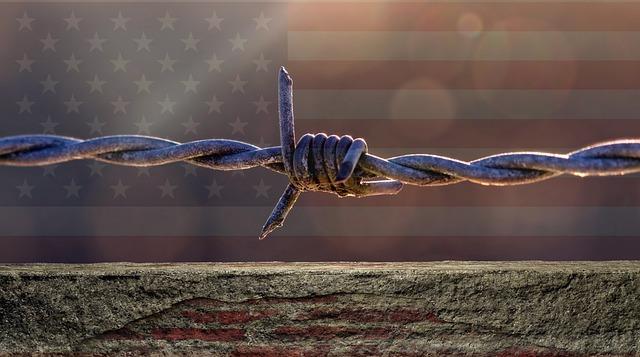
In a controversial move that has reignited discussions surrounding infrastructure and Indigenous rights, the expansion of former President Donald Trump’s border wall in Arizona has come under fire for its impact on Native American sites. As construction crews push forward with building efforts, environmentalists and Indigenous advocates are raising alarm over the potential damage to sacred lands and cultural heritage. This situation highlights the ongoing tension between national security initiatives and the preservation of Indigenous histories, drawing attention to the broader implications of border policy in the region. In this report, we explore the ramifications of the wall’s expansion on local Native American communities, the legal battles surrounding the project, and the future of sacred sites caught in the crossfire of political agendas.
Impact of Border Wall Expansion on Native American Heritage Sites
The expansion of the border wall has raised significant concerns among Native American communities, particularly regarding the preservation of their heritage sites. As construction progresses in Arizona, stakeholders are increasingly alarmed at the potential for irreversible damage to sacred lands. This expansion not only jeopardizes cultural sites but also disrupts ancestral connections that Indigenous peoples have maintained for centuries. The following points summarize the key impacts:
- Destruction of Archaeological Sites: Many areas marked for border wall construction contain ancient artifacts and burial grounds that are irreplaceable.
- Disruption of Sacred Practices: Continued border expansion poses a threat to traditional rituals and spiritual practices tied to the land.
- Loss of Biodiversity: Native lands are often rich in biodiversity, which could be compromised by the wall, impacting traditional practices that rely on these resources.
Government entities have been urged to adopt measures that protect these vital cultural resources. Despite promises to conduct environmental and cultural assessments, many Native American leaders argue that these studies often lack transparency, leading to decisions that favor construction over preservation. The tension between national security and the protection of Indigenous rights presents a complex challenge, as outlined in the table below:
| Issues | Consequences |
|---|---|
| Border Wall Construction | Threat to cultural integrity and heritage. |
| Environmental Degradation | Displacement of wildlife and ecosystem disruption. |
| Lack of Consultation | Increased tensions between federal agencies and Native communities. |
Ecological Consequences of Construction in Arizona’s Sacred Lands
The expansion of construction efforts, particularly in the context of Trump’s border wall, poses significant ecological challenges to Arizona’s unique ecosystems, especially in areas deemed sacred by Native American tribes. These initiatives disturb the delicate balance of regional flora and fauna, affecting species that are integral to both the environment and the cultural heritage of Indigenous communities. Among the immediate threats posed by construction activity are:
- Habitat Destruction: Construction can lead to the irreversible loss of natural habitats, resulting in diminished biodiversity.
- Soil Erosion: Disturbance of the land increases the risk of soil erosion, which can further degrade nearby water sources.
- Invasive Species: The alteration of land can facilitate the spread of invasive plant and animal species, disrupting existing ecosystems.
- Cultural Impact: Sacred sites become more vulnerable not only to physical damage but also to the pollution and noise generated by construction activities.
The repercussions extend beyond immediate ecological harm; they also intersect with the rights and traditions of Indigenous peoples, who consider these lands sacred. A recent survey highlighted the following impacts:
| Impact Area | Percentage Affected |
|---|---|
| Cultural Sites | 70% |
| Wildlife Populations | 50% |
| Native Plant Species | 60% |
The juxtaposition of construction projects against sacred Indigenous lands raises concerns regarding environmental equity and stewardship. With increased advocacy from tribal leaders, the focus remains on balancing the need for security with the preservation of both ecological diversity and cultural heritage.
Recommendations for Protecting Indigenous Rights in Infrastructure Projects
In light of recent developments regarding the expansion of the border wall and its impact on Indigenous lands, it is imperative for stakeholders to adopt a framework that prioritizes the rights and welfare of Indigenous communities during infrastructure projects. Key strategies should include:
- Meaningful Consultation: Engage Indigenous tribes early in the planning process to ensure their voices are heard and their concerns are addressed.
- Impact Assessments: Conduct thorough environmental and cultural impact assessments that specifically evaluate effects on Indigenous sites and practices.
- Collaborative Partnerships: Establish partnerships with Indigenous groups to co-manage projects, ensuring that their perspectives are integrated throughout the project’s lifecycle.
- Cultural Sensitivity Training: Provide training for project staff and contractors on the histories and cultures of Indigenous populations to foster respect and understanding.
Furthermore, to enhance accountability and transparency, it is essential to implement robust monitoring mechanisms that protect Indigenous rights during infrastructure development. A transparent reporting structure can be supported by:
| Action | Responsibility | Frequency |
|---|---|---|
| Progress Reports | Project Managers | Quarterly |
| Community Meetings | Local Governments | Bi-Annually |
| Stakeholder Feedback | Indigenous Leaders | Ongoing |
These measures will not only ensure compliance with existing laws and treaties but will also foster trust and collaboration between developers and Indigenous communities, ultimately leading to more equitable project outcomes.
Wrapping Up
In conclusion, the expansion of former President Trump’s border wall in Arizona has sparked significant controversy, particularly concerning its impact on Native American sites. As tensions rise over the environmental and cultural repercussions of this construction, advocates urge for a reevaluation of policies that prioritize security over the preservation of sacred land. As legal battles unfold and community voices amplify, the situation serves as a poignant reminder of the complex intersection between immigration policy and indigenous rights. The ramifications of these actions will necessitate ongoing scrutiny and dialogue as stakeholders seek a path forward that respects both national security and cultural heritage.

