

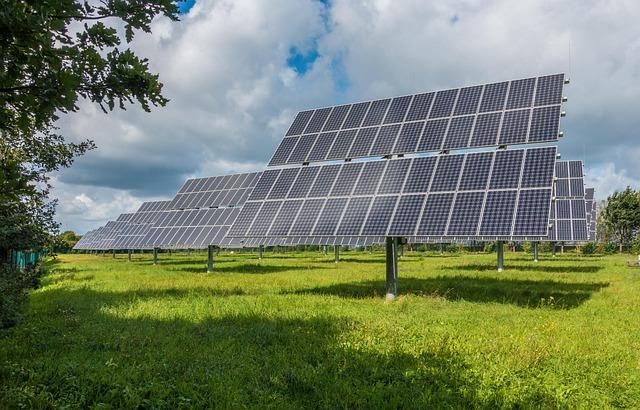
In a significant stride toward bolstering the United States’ clean energy future, Meta Platforms, Inc. has partnered with EDP Renewables to initiate a groundbreaking solar power project in Arkansas. The newly announced agreement, which encompasses the development of a 250-megawatt solar array, aims to enhance the availability of renewable energy across the region, aligning with both companies’ commitment to sustainability and environmental stewardship. As the demand for clean power continues to grow, this collaboration underscores the role of major corporations in leading the transition to a more sustainable energy landscape, while also contributing to local economies and job creation. This deal marks an important chapter in Meta’s broader strategy to achieve 100% renewable energy for its global operations and highlights EDP Renewables’ ongoing efforts to expand its renewable capacity in the United States.
Meta Partners with EDP Renewables to Boost Renewable Energy Footprint in Arkansas
In a significant move towards sustainability, Meta has entered a partnership with EDP Renewables, focusing on a new solar project in Arkansas that promises to generate 250 MW of clean energy. This collaboration is part of Meta’s ongoing commitment to support renewable energy initiatives and reduce its carbon footprint across the United States. By leveraging EDP Renewables’ expertise in solar energy development, the tech giant aims to enhance its renewable energy supply and promote clean energy adoption in the region.
The Arkansas solar facility is expected to deliver numerous benefits, including:
- Job Creation: The project is anticipated to generate hundreds of jobs during construction and operation.
- Economic Growth: It will stimulate local economies by attracting investments and fostering new business opportunities.
- Reduction of Emissions: The solar energy produced will help offset traditional energy sources, leading to a decrease in greenhouse gas emissions.
Meta’s investment in renewable projects like this one reflects a growing trend among corporations to prioritize sustainability as part of their corporate social responsibility strategies. Collaborations such as this not only benefit the environment but also set benchmarks for industry standards in clean energy adoption.
Impact of the 250 MW Solar Project on U.S. Clean Power Initiatives
The collaboration between Meta and EDP Renewables to launch a 250 MW solar project in Arkansas signifies a pivotal advancement in the United States’ clean energy landscape. This initiative not only bolsters the state’s renewable energy production but also serves as a considerable contribution to national efforts aimed at reducing dependence on fossil fuels. By integrating this capacity into the grid, the solar project is expected to supply energy that could power up to 50,000 homes, thereby promoting a cleaner environmental footprint and supporting the U.S. government’s ambitious goals of achieving net-zero emissions by 2050.
Moreover, the project underscores the growing interest from major corporations in facilitating the transition to sustainable energy sources. Key impacts of this solar initiative are:
- Job Creation: The construction and maintenance phases will provide numerous jobs within the local economy.
- Investment Growth: This project represents a significant investment in renewable technology and infrastructure.
- Community Engagement: Local stakeholders are expected to benefit from energy savings and educational initiatives related to sustainability.
| Project Details | Impact |
|---|---|
| Capacity | 250 MW |
| Homes Powered | 50,000 |
| Expected CO2 Reduction | Approx. 350,000 tons/year |
| Jobs Created | Estimated at 250 |
Strategic Recommendations for Enhancing Renewable Energy Collaborations in the Tech Sector
To foster a more robust partnership between the tech industry and renewable energy sectors, companies must prioritize proactive engagement and transparency. This can be achieved by establishing collaboration platforms that facilitate knowledge sharing and innovation. By hosting regular workshops and roundtable discussions, stakeholders can explore emerging technologies, identify common objectives, and align their sustainability goals. Additionally, leveraging data analytics will help track the performance of renewable projects, providing valuable insights that can inform future strategies.
Furthermore, firms should consider creating joint investment funds focused exclusively on renewable energy solutions. These funds can be designed to support startups and initiatives that are pioneering breakthroughs in clean technology. Key actions should include:
- Developing co-branded initiatives that highlight success stories from collaborative efforts.
- Implementing sustainability benchmarks that are measurable and accountable.
- Encouraging public-private partnerships to pool resources and share risks associated with new projects.
By committing to these strategies, tech companies can not only bolster their operations but also contribute to a more sustainable energy future.
Wrapping Up
In conclusion, the landmark solar agreement between Meta and EDP Renewables marks a significant advancement in the push for clean energy in the United States, particularly in Arkansas. This 250 MW project not only reinforces Meta’s commitment to achieving 100% renewable energy for its global operations but also contributes to the broader goal of expanding the nation’s clean power supply. As the effects of climate change become increasingly urgent, partnerships like this highlight the critical role that corporations play in fostering sustainable practices and supporting local economies. The collaboration demonstrates a promising step forward in the energy sector, paving the way for other companies to embrace renewable sources and work towards a sustainable future. As developments unfold, stakeholders will undoubtedly look to this initiative as a model for environmentally responsible business practices in the years to come.

