

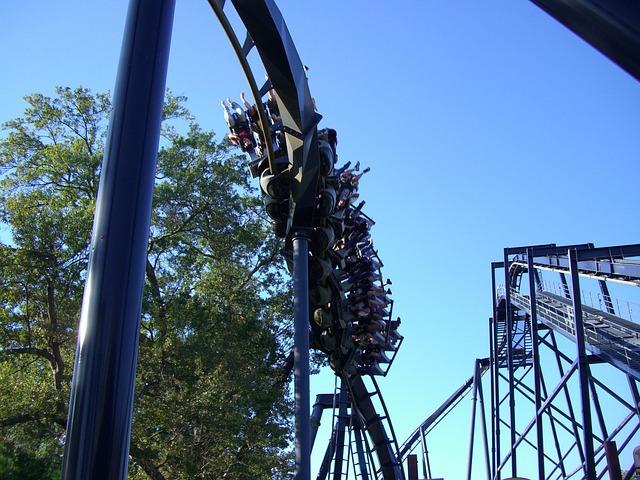
In a major shift for the amusement park landscape, Six Flags Entertainment Corporation has announced plans to close its iconic California park, which has been a staple of family entertainment for nearly five decades. The decision, set to take effect in 2027, marks the end of an era for the 49-year-old facility, which has attracted millions of visitors since its opening. As the park prepares for its final years of operation, discussions surrounding its legacy, economic impact, and the future of amusement parks in an evolving entertainment industry are now at the forefront. This development raises questions about the changing preferences of consumers and the challenges faced by traditional theme parks in a competitive market.
Six Flags Announces Closure of Iconic California Park, Impacting Local Economy
The announcement of the closure of a beloved California theme park, after nearly five decades of operation, has left many locals feeling a blend of nostalgia and concern. Known for its thrilling rides and family-friendly atmosphere, the park has been a cornerstone of entertainment in the region since its opening. With its impending closure in 2027, the decision poses significant ramifications not only for fans of the park but also for the local economy. The park has long been a significant employer and a hub for tourism, generating millions in revenue each year.
Local businesses that rely heavily on the foot traffic generated by the park are bracing for the potential economic fallout. As visitors flock to the area for amusement park adventures, nearby hotels, restaurants, and shops have thrived from the influx. Stakeholders have expressed their worries about the trickle-down effects that the closure may bring, including potential job losses and reduced consumer spending. Key areas of concern include:
- Job Security: Direct employees of the park and associated businesses face uncertainty regarding their futures.
- Tourism Decline: A decrease in visitors may result in reduced revenue for local businesses.
- Community Identity: The park has been a significant part of local culture; its loss may impact community spirit.
| Impact Factor | Potential Outcome |
|---|---|
| Employment | Job losses for thousands of workers |
| Tourism | Decreased visitor numbers in the area |
| Local Economy | Loss of revenue for businesses surrounding the park |
Community Reactions and Concerns Over Upcoming Closure of Long-Standing Amusement Destination
As news of the impending closure of the beloved California amusement park spreads, community reactions have been swift and passionate. Long-time visitors have expressed deep disappointment, reflecting on cherished memories made over the decades. Local residents have organized gatherings to share their thoughts and concerns, leading to a vibrant discussion about the park’s significance in the area. Many fear that its closure could result in lost jobs, a decline in local tourism, and the end of a familiar recreational venue that has become intertwined with their family traditions.
Community leaders are stepping forward to voice their concerns, urging Six Flags to reconsider its decision. Several residents have pointed out the emotional and economic impact the park’s closure could have, highlighting that it is more than just an amusement destination; it is a cornerstone of community life. Suggestions have emerged for potential alternatives to closure, including renaming or repurposing the park to reflect the community’s needs. A local petition has circulated, gathering signatures from individuals who wish to save the park, showcasing the collective effort to keep this treasured landmark alive.
| Key Concerns | Community Actions |
|---|---|
| Loss of Jobs | Organizing town hall meetings |
| Decline in Local Tourism | Starting petitions |
| End of Family Traditions | Creating social media campaigns |
Future Recommendations for Revitalizing Theme Park Landscape in California
The impending closure of this long-standing California amusement park highlights the urgent need for innovation within the state’s theme parks to ensure long-term sustainability and visitor engagement. Stakeholders should consider a comprehensive revitalization strategy that emphasizes environmentally sustainable practices and technological integration. This could involve the use of renewable energy sources, such as solar panels, to power rides and facilities, as well as initiatives to reduce water usage in park operations and landscaping. Moreover, incorporating smart technology-including cashless payment systems, augmented reality experiences, and mobile apps for real-time updates-would significantly enhance visitor interaction and satisfaction.
Furthermore, the park landscape can be reimagined to promote not only entertainment but also educational experiences that connect visitors to the local culture and ecology. This could be achieved by:
- Creating themed areas that reflect California’s diverse geography and history.
- Hosting workshops and showcases on conservation and wildlife awareness.
- Integrating local art and artisan markets within the park’s framework to support local businesses.
These strategies will not only attract a broader audience but also forge meaningful connections with the community, ensuring that the park remains a cherished destination for generations to come.
The Conclusion
In conclusion, the announcement of the impending closure of Six Flags Magic Mountain, a staple of California’s amusement park landscape for nearly half a century, has sparked widespread reaction from park enthusiasts, local families, and the wider community. As we approach the closure date in 2027, discussions about the future use of the site and the impact on employment and tourism will undoubtedly come to the forefront. While the park’s operators have cited evolving market demands and financial considerations, the nostalgia and cherished memories associated with Magic Mountain will linger long after the final rides come to a halt. As the situation continues to develop, it will be essential for stakeholders to engage in transparent dialogues about the future of this iconic destination and its place in California’s rich entertainment history.

