

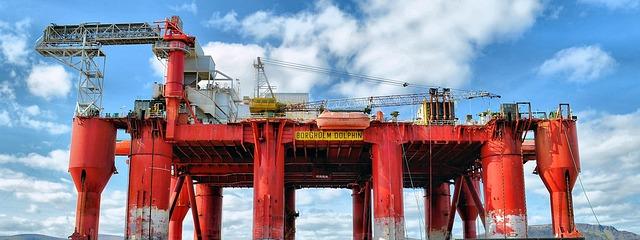
As the debate over energy independence intensifies, the prospect of offshore drilling has sparked a contentious dialogue among environmentalists, local communities, and policymakers. Advocates argue that tapping into the nation’s coastal oil reserves could provide a significant economic boost and reduce reliance on foreign energy sources. However, a growing chorus of concern highlights the potential environmental repercussions that such activities could unleash. From devastating oil spills to the disruption of delicate marine ecosystems, critics warn that the long-term consequences of offshore drilling could irrevocably alter America’s cherished coastlines. Amid shifting political landscapes and rising public awareness regarding climate change, the question lingers: Could offshore drilling ultimately ruin the very coastlines it aims to protect? In this article, we explore the complexities of this pressing issue and the voices from both sides of the debate.
Concerns Mount Over Environmental Impact of Offshore Drilling on Coastal Ecosystems
As energy demands escalate and the hunt for new oil reserves intensifies, the push for offshore drilling along America’s coastlines raises crucial environmental concerns. Coastal ecosystems, known for their rich biodiversity, are at risk from the potential impacts of drilling operations. Experts warn that the release of pollutants, the risk of oil spills, and the disruption of marine habitats could lead to irreversible damage. According to environmental advocates, even minor leaks can devastate local wildlife, endanger fish populations, and disrupt fishing industries that communities rely upon.
Local governments and environmental organizations are voicing their apprehension, urging stricter regulations and oversight to mitigate these risks. Analysts have identified several key areas of concern related to the ecological fallout from offshore drilling:
- Pollution: Runoff from drilling sites can contaminate surrounding waters.
- Habitat Destruction: Seabed disturbances can lead to loss of essential habitats.
- Noise Pollution: Increased vessel traffic can disrupt migratory patterns of marine life.
Furthermore, a recent study by researchers assessing the long-term impact of oil extraction on coastal areas revealed alarming findings:
| Impact Type | Possible Outcomes |
|---|---|
| Oil Spills | Widespread ecological devastation |
| Increased Traffic | Disturbance to local marine species |
| Air Quality | Health risks for coastal communities |
These findings underscore the urgent need to reconsider the balance between energy production and environmental preservation, as communities grapple with the true cost of underestimating the fragility of their coastal environments.
Economic Trade-offs: Weighing Job Opportunities Against Coastal Preservation
The debate surrounding offshore drilling often centers on a critical conflict: the need for job creation versus the imperative to protect delicate coastal ecosystems. Proponents argue that oil extraction can significantly boost local economies through job opportunities, enhanced infrastructure, and increased state revenue. They point to the potential for thousands of new jobs in fields such as drilling, logistics, and maritime services, which can invigorate struggling communities reliant on traditional industries. However, this promise comes with significant consequences that can undermine the very ecosystems that support both local livelihoods and tourism.
Conversely, environmental advocates caution that the long-term impacts of drilling can outweigh the immediate benefits of job creation. The threat of oil spills, habitat destruction, and pollution poses a serious risk to marine life and tourism, which are vital components of coastal economies. Key concerns include:
- Environmental degradation: Potential damage to marine habitats that can take decades to recover.
- Tourism impact: A coastal environment free of pollution attracts tourists, while oil spills can deter visitors.
- Health risks: Exposure to pollutants can affect the health of both residents and wildlife.
To better illustrate the trade-offs, consider the following comparison of potential impacts:
| Job Opportunities | Environmental Risks |
|---|---|
| Increased employment rates in oil and gas sectors. | High risk of environmental disasters, including oil spills. |
| Boost in local business from increased activity. | Habitat loss for numerous species of marine life. |
| Infrastructure development supported by drilling revenues. | Decreased coastal resilience to climate change impacts. |
Implementing Stricter Regulations to Safeguard America’s Shorelines from Oil Exploration Risks
The urgency to establish stricter regulations surrounding offshore drilling practices has reached a crescendo as environmental advocates raise alarms about the potential devastation of America’s coastlines. Recent discussions among policymakers have highlighted the need for a comprehensive evaluation of the risks involved in oil exploration, emphasizing the preservation of marine ecosystems, public health, and local economies that heavily rely on tourism and fishing. Stakeholders are advocating for measures that prioritize sustainability and resilience, aiming to minimize the risks of oil spills, habitat destruction, and water pollution.
Proposed regulations may include the following key components to bolster protections for shorelines:
- Increased buffer zones: Expanding protected areas around sensitive marine habitats.
- Enhanced spill response protocols: Establishing efficient emergency procedures that involve local communities.
- Stricter environmental impact assessments: Mandatory comprehensive reviews prior to any drilling activity.
- Accountability measures: Holding corporations financially and legally responsible for damages caused by their operations.
| Measure | Description |
|---|---|
| Buffer Zones | Areas that restrict drilling to protect vulnerable ecosystems. |
| Spill Response | Requirements for rapid response and community involvement. |
| Impact Assessments | Thorough evaluations of potential environmental damage. |
| Accountability | Legislation ensuring financial responsibility for environmental damage. |
Insights and Conclusions
As the debate over offshore drilling unfolds, concerns about the potential impacts on America’s coastlines grow increasingly urgent. Environmentalists, local communities, and policymakers are grappling with the complex interplay between economic interests and ecological preservation. With the stakes high and the coastline’s health hanging in the balance, it remains imperative for stakeholders to engage in informed dialogue and rigorous analysis. As the nation navigates the crossroads of energy needs and environmental stewardship, the question remains: will the pursuit of oil undermine the very landscapes that define America’s coastal heritage? Only time will reveal the consequences of these crucial decisions, but for now, the voices of those who cherish these shorelines demand to be heard. As we continue to monitor this evolving story, readers are encouraged to stay informed and participate in the discussions that will shape the future of America’s coastal ecosystems.

