
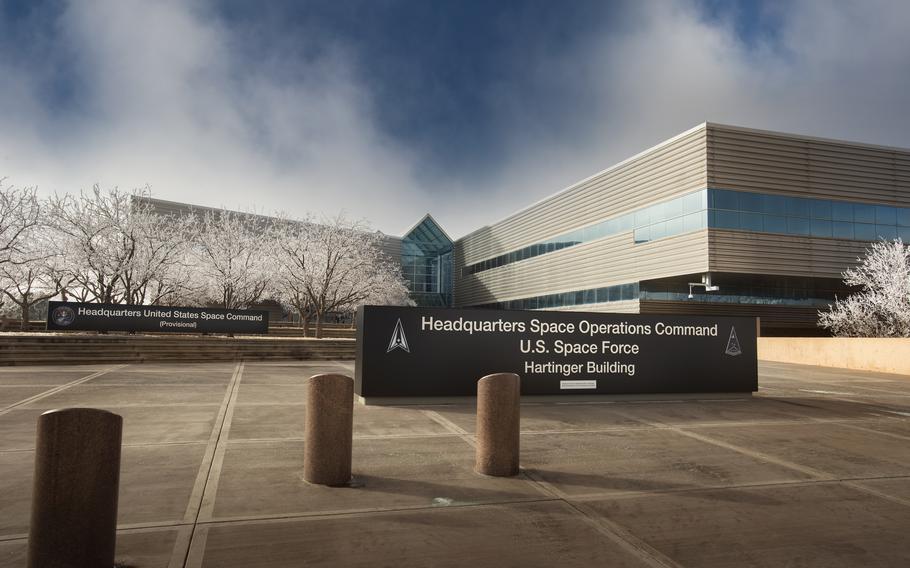
In a protracted struggle that underscores the complexities of military realignment and regional interests, Colorado and Alabama remain locked in a contentious battle for control over the U.S. Space Command’s permanent headquarters. A newly released report sheds light on the ongoing dispute, revealing the stakes involved for both states as they vie for economic benefits and strategic advantages associated with this key military installation. As the Department of Defense navigates the implications of its decision, local officials and stakeholders in both states are intensifying their efforts to present compelling arguments for why their respective locations are better suited for this critical national security asset. This article explores the latest developments in the saga, highlighting the implications for military strategy and regional dynamics.
Colorado and Alabama Clash Over Space Command as New Report Unfolds Implications for National Defense
The ongoing dispute between Colorado and Alabama regarding the future of Space Command remains a contentious issue, fueled recently by a new report that underscores the implications for national defense. Alabama officials argue that the report provides evidence supporting their claim that relocating Space Command to Huntsville would enhance military readiness and streamline operations. They point to factors such as proximity to defense contractors, established military infrastructure, and a skilled workforce. Supporters of the Alabama site assert that these elements make Huntsville a more strategic choice for overseeing the nation’s space defense initiatives.
Conversely, Colorado representatives insist that the report highlights the critical advantages of maintaining Space Command at its current location in Colorado Springs. They cite operational continuity, existing relationships with air force bases, and an established community dedicated to space mission objectives as vital components that should not be overlooked. Moreover, the Colorado delegation argues that moving Space Command would disrupt established protocols and morale among troops dedicated to space operations, potentially hindering national defense efforts as geopolitical challenges escalate.
Analysis of Strategic Military Interests Highlights the Stakes in the Space Command Dispute
The ongoing dispute between Colorado and Alabama over the future of the U.S. Space Command is underscored by a comprehensive analysis of strategic military interests. The recent report emphasizes that the selection of a permanent headquarters for Space Command is not merely a logistical consideration, but rather a crucial factor that could influence the U.S.’s operational effectiveness in space. Key military assets and strategic readiness are highlighted as pivotal components in assessing the best location for the command center. The analysis suggests that retaining Space Command in Colorado aligns more closely with the current military strategies, given the state’s established infrastructure and presence of related agencies.
Moreover, the report delineates some compelling arguments supporting each state’s position:
- Colorado: Home to a robust network of defense contractors and a strong military community, which enhances collaborative efforts.
- Alabama: Offers strategic geographical advantages and potential synergies with existing military installations in the region.
A table summarizing the strategic advantages of both locations can further illuminate the stakes involved:
| Criteria | Colorado | Alabama |
|---|---|---|
| Military Presence | High | Medium |
| Infrastructure | Established | Developing |
| Geographical Location | Centralized | Strategically Positioned |
This multifaceted perspective on the stakes highlights how the decision regarding Space Command’s permanent location is embedded in broader national security considerations. As both states vie for the opportunity to host this essential military installation, the implications of the final decision will resonate far beyond local economies, fundamentally shaping the nation’s defense strategy in the realms of space and beyond.
Recommendations for Federal Decision Makers Seeking to Resolve the Growing Tensions over Space Command
As the debate over the future of Space Command intensifies between Colorado and Alabama, federal decision makers are urged to consider a series of recommendations aimed at de-escalating tensions and fostering collaboration. Engagement with stakeholders from both states will be essential for successful resolution. Decision makers should prioritize:
- Conducting Joint Assessments: Establish task forces incorporating experts from both locales to analyze the strategic implications of the Space Command location.
- Enhancing Community Involvement: Facilitate public forums and discussions to incorporate local voices into the decision-making process.
- Promoting Economic Incentives: Offer incentives that foster economic development tied to Space Command’s mission in both states, potentially mitigating the financial stakes involved.
Furthermore, transparency will play a critical role in ensuring that all parties feel heard and valued. Federal leaders should develop a clear communication strategy to regularly update stakeholders on progress and address concerns. Initiatives such as:
- Regular Briefings: Schedule monthly informational sessions to keep both states informed on the decision-making timeline and criteria.
- Collaborative Workshops: Host workshops aimed at brainstorming innovative solutions, encouraging cross-state partnerships focused on technological advancements.
| Key Stakeholders | Concerns | Proposed Solutions |
|---|---|---|
| Colorado Officials | Job Security | Job Creation Initiatives |
| Alabama Officials | Economic Growth | Investment in Local Infrastructure |
| Military Leadership | Operational Efficiency | Assess Strategic Needs |
To Wrap It Up
As the battle between Colorado and Alabama for the future of the U.S. Space Command continues to unfold, new developments have only intensified the stakes. The recent report highlights significant economic and strategic implications of the ongoing dispute, ensuring that both states remain firmly entrenched in their positions. With Colorado’s long-standing ties to the military and aerospace industry clashing against Alabama’s push for economic revitalization through the command’s relocation, the outcome remains uncertain. As both states rally their resources in a bid to sway decision-makers, the implications extend beyond state lines, influencing national defense strategy and space operations in an increasingly competitive global landscape. As this story evolves, Colorado Public Radio will continue to provide updates and insights into this critical issue affecting the future of America’s space defense initiatives.









