

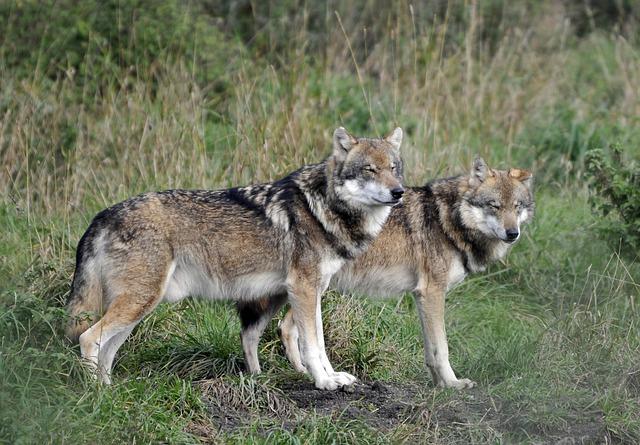
In a significant directive impacting wildlife management strategies, the U.S. Fish and Wildlife Service has announced that it will no longer permit the importation of wolves from Canada and Alaska into Colorado. This decision comes amid ongoing debates over the state’s wolf reintroduction initiative, which aims to restore populations of the predator to its natural habitat in the Rockies. The announcement has sparked a mix of reactions from conservationists, ranchers, and local communities, adding another layer of complexity to an already contentious issue. As Colorado grapples with balancing ecological restoration and community concerns, the implications of this ruling are likely to reverberate across state lines, shaping the future of wolf conservation efforts in the region.
US Fish and Wildlife Services Halts Canadian and Alaskan Wolf Reintroduction Efforts in Colorado
The decision by the U.S. Fish and Wildlife Services to cease wolf reintroduction efforts in Colorado from Canadian and Alaskan populations comes as a significant blow to wildlife conservationists and advocates of biodiversity in the region. The federal agency cited concerns regarding the potential impact on local ecosystems and livestock as primary reasons for halting the program. Stakeholders, including environmental groups and researchers, argue that reintroducing wolves is vital for maintaining natural balance by controlling deer and elk populations, which have surged in recent years and lead to overgrazing and habitat degradation.
This announcement follows extensive discussions that involved various stakeholders, including state wildlife officials and local ranchers. The primary points of contention have revolved around the possible conflicts between wildlife conservation and agricultural practices. To better illustrate the contrasting views surrounding this decision, here are some key arguments:
- For Reintroduction: Enhances biodiversity and ecosystem health.
- Against Reintroduction: Risks to livestock and local economies.
- Research Support: Studies indicate healthier deer and elk populations if predators are reintroduced.
- Community Concerns: Fear of potential increases in wolf-human conflicts.
| Aspect | Supporting Argument | Opposing Argument |
|---|---|---|
| Ecological Balance | Supports the natural predator-prey dynamic. | Could disrupt existing community practices. |
| Population Control | Reduces overpopulation of deer and elk. | Potential threat to livestock. |
| Community Opinion | Many see benefits for tourism and nature encounters. | Local residents express concerns over safety and livestock protection. |
Impact on Colorado’s Ecosystem and Biodiversity: What the Decision Means for Local Wildlife
The recent announcement from the U.S. Fish and Wildlife Services regarding the halt of wolf introductions from Canada and Alaska raises urgent considerations for Colorado’s delicate ecosystem. Wolves, once roaming in abundance across the state, play a pivotal role in maintaining ecological balance. By preying on herbivores like elk and deer, they help regulate these populations and promote healthy vegetation growth. The absence of these apex predators could lead to unchecked herbivore populations, which may result in overgrazing and the degradation of forest health and diverse plant life. Key implications for local wildlife include:
- Overpopulation of prey species: Larger herds of elk and deer can strip landscapes of vegetation.
- Effect on smaller predators: With fewer apex predators, populations of smaller carnivores may decline due to increased competition.
- Loss of biodiversity: Reduced plant diversity can, in turn, affect countless other species that rely on a rich tapestry of flora.
As Colorado strives for a sustainable ecological framework, the decision may have far-reaching consequences not only for wolves but for other species that depend on a balanced environment. The disruption of historical predator-prey dynamics could have a ripple effect, influencing species behavior and population health. Essential factors to consider include:
| Wildlife Affected | Potential Impact |
|---|---|
| Elk | Increased grazing pressure on vegetation |
| Deer | Overpopulation leading to habitat disruption |
| Smaller Carnivores | Increased competition for food sources |
Recommendations for Alternative Conservation Strategies in Colorado’s Wildlife Management Policies
In light of the recent directive from the US Fish and Wildlife Services to halt the importation of wolves from Canada and Alaska, Colorado’s wildlife management policies could benefit from a reevaluation of their conservation strategies. Alternatives that prioritize the sustainability of both ecosystems and community needs must be considered. Potential strategies may include:
- Community Engagement: Involving local stakeholders, including ranchers and conservationists, to foster collaborative dialogues about wildlife coexistence.
- Habitat Restoration: Investing in the restoration of natural habitats that support diverse wildlife populations, reducing human-wildlife conflict.
- Public Education: Raising awareness on the ecological importance of apex predators and the role they play in maintaining biodiversity.
- Controlled Population Management: Employing scientific approaches to manage existing wolf populations through non-lethal means, such as relocation and immunocontraceptives.
To track the effectiveness of these alternative strategies, regularly updated metrics on wildlife population dynamics and community perceptions should be documented. Establishing a table that outlines the progress of various conservation initiatives and their outcomes can help inform future decisions. An example is shown below:
| Strategy | Goal | Status |
|---|---|---|
| Community Engagement | Enhance local involvement | Ongoing |
| Habitat Restoration | Increase biodiversity | In Progress |
| Public Education | Foster understanding | Planned |
| Population Management | Maintain balance | To Be Initiated |
Closing Remarks
In conclusion, the US Fish and Wildlife Service’s recent announcement regarding the cessation of wolf translocation from Canada and Alaska to Colorado marks a pivotal moment in the state’s wildlife management strategy. While the decision aims to balance ecological concerns and community impacts, it has sparked a mixed response from conservationists and local residents alike. As Colorado grapples with the implications of this ruling, stakeholders will need to engage in constructive dialogue to find sustainable solutions for both the state’s wildlife and its communities. The future of Colorado’s wolf population remains uncertain, but the commitment to preserving the state’s natural heritage endures. For ongoing developments and insights into this evolving story, stay tuned to KOAA News 5.

