

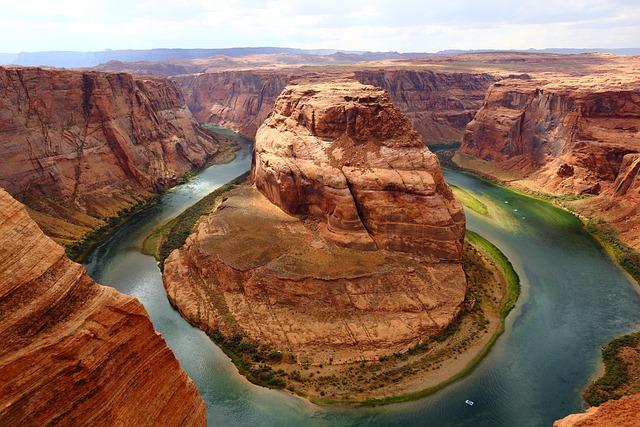
In a dramatic effort to address the escalating water crisis in the West, federal officials have unveiled a controversial plan that could lead to a substantial reduction in water supply from the Colorado River, a vital resource for millions in Arizona, California, and Nevada. According to a report by The Guardian, this ambitious initiative aims to mitigate chronic drought conditions and protect the river’s dwindling reserves, but it carries significant implications for the states heavily dependent on its waters. As policymakers grapple with the challenging reality of climate change and persistent overuse, the stakes have never been higher, raising urgent questions about water rights, economic stability, and the future of agriculture in the region.
US Water Crisis Escalates as Colorado River Plan Threatens Supply to Western States
As the US faces an unprecedented water crisis, the proposed management plan for the Colorado River has raised alarms among states that rely heavily on its resources. The plan could potentially slash water allocations by up to 40% for key agricultural and urban centers in Arizona, California, and Nevada. As drought conditions persist and reservoirs dwindles, farmers and city officials fear significant impacts on their water supply, which could disrupt food production and residential water availability. This drastic reduction will compel stakeholders to reassess their water usage and potentially resort to more stringent conservation measures.
A recent meeting among state leaders and federal agencies highlighted the escalating tensions as lawmakers confront the implications of the planned cuts. Key points of discussion included:
- Allocation disputes: States are concerned about equitable distribution and the sustainability of their water resources.
- Economic impact: Water scarcity may lead to increased food prices and economic downturns in agriculture-dependent areas.
- Long-term planning: There is a pressing need for a cohesive strategy that balances environmental, agricultural, and urban water needs.
In light of the situation, local governments are urged to prepare contingency plans. Following is a summary of projected water supply changes as proposed by the current plan:
| State | Current Allocation | Projected Cut | New Allocation |
|---|---|---|---|
| Arizona | 2.8 million acre-feet | 40% | 1.68 million acre-feet |
| California | 4.4 million acre-feet | 40% | 2.64 million acre-feet |
| Nevada | 300,000 acre-feet | 40% | 180,000 acre-feet |
Impacts on Agriculture and Urban Areas: The Fallout of Reduced Water Allocations
The recent proposals to cut water allocations from the Colorado River are poised to deliver a severe blow to both agricultural productivity and urban water management in Arizona, California, and Nevada. With potential reductions of up to 40%, farmers may find it increasingly difficult to sustain their crops, which could result in significant economic repercussions. Key crops that rely heavily on this vital water supply include:
- Almonds
- Fruit orchards
- Vegetables
- Cotton
Urban areas, already grappling with water scarcity issues, are expected to face more stringent conservation measures. This may necessitate difficult choices between residential and agricultural water needs. Furthermore, the impending reductions could trigger a large-scale re-evaluation of water infrastructure and distribution methods, particularly in sprawling metropolitan regions that heavily depend on Colorado River water. Stakeholders are urged to explore sustainable practices that could mitigate these impacts, including:
- Utilization of advanced irrigation technologies
- Promotion of drought-resistant crop varieties
- Enhanced recycling and reuse of wastewater
Strategies for Resilience: Recommendations for Western States Facing Water Shortages
As Western states brace for significant reductions in Colorado River water supplies, a multifaceted approach is essential to bolster resilience against climate-induced shortages. Water conservation will be paramount, and strategies must include promoting efficient usage across agricultural, industrial, and residential sectors. Innovative technologies, such as drip irrigation and smart water management systems, should be adopted to maximize water efficiency. Additionally, stakeholders should explore the implementation of tiered pricing structures to encourage conservation among consumers, ensuring that those who utilize more water pay higher rates, thereby incentivizing reduced consumption.
Moreover, enhancing collaborative governance efforts among the states sharing the Colorado River’s resources is crucial. Establishing strong partnerships between state agencies, local governments, and water users can facilitate the sharing of best practices and encourage community-based solutions. An effective approach could include the formation of a Colorado River Sustainability Coalition tasked with monitoring water use and planning for drought resilience. The following table outlines potential strategies for maintaining water supplies and promoting sustainable practices:
| Strategy | Description |
|---|---|
| Efficiency Programs | Implement programs that incentivize water-saving technologies. |
| Recycling Initiatives | Promote water recycling and reuse in industrial and urban settings. |
| Public Education | Launch campaigns to raise awareness about water conservation methods. |
| Interstate Agreements | Form interstate agreements to manage water allocation more effectively. |
Concluding Remarks
In summary, the US government’s proposed plan to address the escalating water crisis in the Colorado River Basin presents a daunting challenge for states heavily reliant on its resources. With potential cuts of up to 40% in water supply for Arizona, California, and Nevada, stakeholders are left grappling with the implications of such drastic measures on agriculture, urban populations, and local economies. As states prepare for the forthcoming negotiations, the need for a collaborative, sustainable approach has never been more critical. The delicate balance between water conservation and the economic livelihoods of millions hangs in the balance, underscoring the urgency of this issue in the face of a changing climate. As discussions unfold, the outcome will not only shape the future of water management in the West but will also set a precedent for how communities across the nation respond to growing environmental challenges.

