

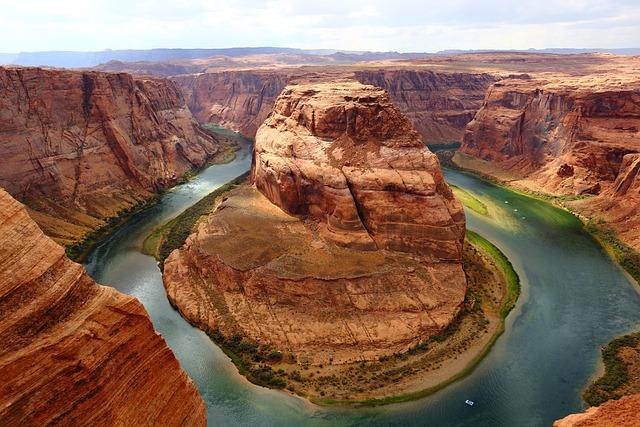
In a decisive move to address the prolonged drought affecting the American West, the Biden administration has announced significant reductions in water allocations from the Colorado River for Arizona, California, and Nevada. This announcement comes as part of ongoing efforts to manage an unprecedented water crisis that threatens the region’s agricultural industry, urban water supply, and ecosystems. The cuts, outlined in a new federal framework, aim to conserve dwindling water resources amid dwindling reservoir levels at Lake Mead and Lake Powell, two critical sources of water for millions. As the West grapples with the realities of climate change and sustained dry conditions, this latest decision underscores the urgent need for a coordinated approach to water management as states strive to navigate a precarious future.
U.S. Implements Colorado River Water Reductions in Response to Ongoing Drought Crisis
The ongoing drought gripping the southwestern United States has prompted significant action from federal authorities, leading to the announcement of mandatory water reductions for states relying on the Colorado River. This critical decision reflects an urgent need to conserve dwindling water supplies that have been exacerbated by climate change and prolonged dry conditions. Officials are particularly concerned about the impacts on Arizona, Nevada, and California, which collectively draw a substantial portion of their water from the river, crucial for agriculture, urban use, and ecosystem health.
Under the new regulations, states must reduce their water usage by a set percentage, aimed at ensuring the sustainability of the Colorado River for years to come. Key points of the plan include:
- Allocation Cuts: Specific percentage reductions tailored to each state.
- Incentives for Conservation: Financial and technical assistance to promote water-saving initiatives.
- Long-term Strategies: Enhanced cooperation among the states and federal government to tackle water management challenges.
| State | Reduction Target (%) |
|---|---|
| Arizona | 21 |
| Nevada | 8 |
| California | 15 |
These measures underscore the severity of the current water crisis and mark a pivotal shift in how water resources are managed across state lines. As the drought persists, maintaining a sustainable balance between human needs and environmental health will be a growing challenge requiring collaboration and innovation.
Impact on Agriculture and Urban Water Supply as Three States Face Significant Cuts
The recent cuts in Colorado River water allocations are poised to create significant challenges for both agricultural producers and urban water supply systems across the three affected states. Farmers who rely heavily on the river’s water for irrigation are now faced with the prospect of reduced crop yields and, consequently, decreased income. Many in the agricultural sector are highlighting that this will lead to tough decisions over which crops to plant and how to allocate scarce resources, potentially resulting in job losses and a ripple effect throughout local economies. The impacts include:
- Reduced irrigation leading to lower crop harvests.
- Increased competition among farmers for reduced water resources.
- Potential rise in food prices due to decreased supply.
In urban areas, cities that depend on the Colorado River for their drinking water are also bracing for the impact of these cuts. Utility managers are now tasked with revising their water conservation strategies and planning for the future under the new allocation constraints. These cuts may accelerate the adoption of innovative water-saving technologies and practices in an effort to maintain water supplies for residents. The unforeseen effects could extend to greater urban planning challenges as populations continue to rise despite dwindling resources. Key urban repercussions include:
- Increased investment in water efficiency programs.
- Potential limitations on new residential and commercial developments.
- Greater emphasis on recycling and desalination initiatives.
| State | Affected Population | Key Crop Types | Urban Water Usage (%) |
|---|---|---|---|
| California | 39 million | Fruits, Nuts, Vegetables | 70% |
| Arizona | 7.3 million | Cotton, Lettuce, Citrus | 40% |
| Nevada | 3.1 million | Alfalfa, Golf Courses | 90% |
Strategies for Sustainable Water Management and Conservation in the Colorado River Basin
The prolonged drought affecting the Colorado River Basin necessitates innovative approaches to water management and conservation. As states grapple with reduced water allocations, efforts to enhance efficiency and sustainability are crucial. Key strategies include:
- Implementing Tiered Water Pricing: Establishing pricing structures that incentivize conservation by charging higher rates as consumption increases.
- Investing in Smart Irrigation Technologies: Utilizing sensors and data analytics to optimize water usage in agriculture, which consumes over 70% of the basin’s water.
- Restoring Wetlands and Riparian Areas: Enhancing natural ecosystems that can filter water and improve overall water quality while providing habitat for wildlife.
- Promoting Greywater Recycling: Encouraging the reuse of household wastewater for irrigation, thus relieving pressure on freshwater sources.
Furthermore, collaboration among states, local communities, and federal entities can bolster efforts to secure the long-term viability of water resources. A proposed framework for cooperative governance might include:
| Entity | Role in Water Management |
|---|---|
| Federal Government | Regulates water rights and oversees large-scale water infrastructure projects. |
| State Agencies | Implement local conservation policies and allocate water resources. |
| Local Communities | Engage in grassroots conservation initiatives and promote regional awareness. |
| Environmental Groups | Advocate for sustainable practices and protection of natural habitats. |
Key Takeaways
In light of the ongoing drought and shrinking water reserves, the decision to implement significant cuts to water allocations from the Colorado River marks a crucial yet challenging moment for the states involved. This unprecedented action underscores the urgent need for collaborative water management and sustainable practices amidst a changing climate. As California, Arizona, and Nevada grapple with the ramifications of these cuts, the focus will inevitably shift to finding innovative solutions that ensure the long-term viability of this vital resource. The decisions made in the coming months will not only affect millions of residents but will also serve as a critical test of regional resilience in the face of a prolonged environmental crisis. As stakeholders navigate these challenging waters, the path forward will require both adaptability and cooperation to safeguard the future of the Colorado River basin.

