

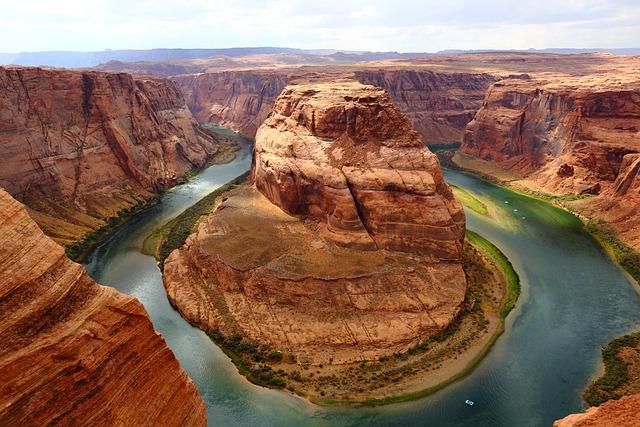
As the arid landscapes of the western United States grapple with deepening water scarcity, critical negotiations surrounding the Colorado River have faltered, exacerbating an already tense water crisis. Despite facing a historic drought and unprecedented demand, state representatives from Arizona, California, Colorado, Nevada, New Mexico, Utah, and Wyoming have yet to reach a consensus on how to equitably distribute the river’s dwindling resources. The stakes couldn’t be higher, as millions of residents and vast agricultural regions depend on the river for their water supply. Environmental experts warn that the failure to strike a deal could lead to dire consequences, with one stating bluntly, “Mother nature isn’t going to bail us out.” As tensions rise and the clock ticks, the search for a sustainable solution to the region’s water woes remains urgent and unresolved.
Western States Face Water Crisis as Colorado River Negotiations Stalemate
As the ongoing negotiations over water allocations from the Colorado River reach a critical impasse, the consequences are becoming increasingly dire for the western states reliant on this vital resource. Drought conditions, exacerbated by climate change, have diminished water supplies, leaving states like California, Arizona, and Nevada grappling with the urgent need for a coordinated response. Experts warn that inaction could lead to severe water shortages, impacting agriculture, drinking water availability, and local economies. The negotiations have frequently been marred by disputes over water rights, leading to accusations of mismanagement and a failure to adapt to the grim reality of dwindling resources.
With pressure mounting, the stakes have never been higher. Key topics in the stalled negotiations include:
- Equitable water distribution among states
- Climate resilience strategies to cope with persistent droughts
- Innovative conservation methods for water usage
- Federal intervention in regional disputes
Despite the urgent need for action, the lack of consensus among stakeholders has delayed crucial decisions that could reshape water management strategies in the region. Local communities are left anxiously watching the situation unfold, fully aware that further inaction risks turning a manageable water crisis into an unmanageable catastrophe.
Impacts of Drought and Climate Change on Water Resources in the West
The ongoing drought in the Western United States, compounded by climate change, has severely stressed water resources, with no end in sight. As temperatures rise and precipitation decreases, the region has witnessed a dramatic decline in snowpack and reservoir levels. Water scarcity has become a pressing issue for agriculture, urban areas, and ecosystems alike. Stakeholders are now grappling with the stark reality that traditional water management practices may no longer be sufficient in the face of these changing conditions. The implications are profound:
- Increased Competition: States are forced to compete for a dwindling supply of Colorado River water, heightening tensions among water users.
- Agricultural Challenges: Farmers face the prospect of reduced irrigation water, threatening food security and economic stability.
- Environmental Impacts: Aquatic ecosystems are suffering due to lower flow levels, endangering fish species and wildlife habitats.
Table: Changes in Colorado River Water Availability (Estimated)
| Year | Water Availability (acre-feet) |
|---|---|
| 2000 | 15,000,000 |
| 2010 | 13,500,000 |
| 2020 | 11,000,000 |
| 2023 | 9,000,000 |
The failure of Western U.S. states to reach a cohesive agreement regarding the Colorado River has intensified the looming crisis. Many experts warn that without urgent collaborative efforts, the region could face catastrophic water shortages. Communities are already beginning to implement conservation measures and seek alternative water sources, but these steps may not suffice to mitigate the impacts of drought and climate change. As the situation progresses, it is clear that proactive planning and innovative solutions are essential for sustainable water management in a changing climate.
Urgent Strategies Needed to Address Long-Term Water Management Challenges
The ongoing negotiations among Western U.S. states regarding the Colorado River have reached a critical impasse, highlighting the urgent need for strategic interventions in water management. As drought conditions persist and climate patterns shift, stakeholders must adopt innovative approaches to secure water resources. Key strategies could include:
- Collaboration across state lines – States need to come together to form cohesive agreements that prioritize long-term sustainability over short-term gains.
- Investment in water-saving technologies – Advancements such as drip irrigation and smart irrigation systems can enhance efficiency in water usage.
- Public education initiatives – Raising awareness about water conservation techniques will engage communities and drive grassroots efforts to manage water sustainably.
Furthermore, reallocating water rights and enhancing the enforcement of existing water treaties could play a pivotal role in this delicate balance. To better illustrate the current water usage challenges among these states, the following table outlines each state’s average water consumption and projected deficits over the coming years:
| State | Average Water Usage (Million Acre-Feet) | Projected Deficit (Million Acre-Feet) |
|---|---|---|
| California | 30 | 6 |
| Arizona | 7.4 | 3.2 |
| Nevada | 2.4 | 0.5 |
| Colorado | 4.5 | 1.8 |
Inaction is no longer an option; Mother Nature has proven to be an unreliable ally. Immediate and collective action is essential to prevent exacerbating the water crisis that affects millions of residents, agricultural producers, and the environment itself.
To Wrap It Up
As negotiations among Western U.S. states over the Colorado River continue to stall, the urgency surrounding the water crisis deepens. With reservoirs dwindling and climate change exacerbating drought conditions, the call for a decisive agreement has never been more critical. Experts and advocates alike warn that time is running out, and without collaborative action, the repercussions will be felt far beyond state lines. As one commentator aptly noted, “Mother nature isn’t going to bail us out,” underscoring that sustainable water management strategies must be prioritized now more than ever. The need for a comprehensive plan that balances the demands of agriculture, ecology, and urban growth is paramount to secure water resources for future generations. As stakeholders grapple with the complexities of diverse interests and urgent needs, the fate of the Colorado River hangs in the balance, representing not only a vital water source but also a test of regional cooperation in the face of an uncertain climate future.

