

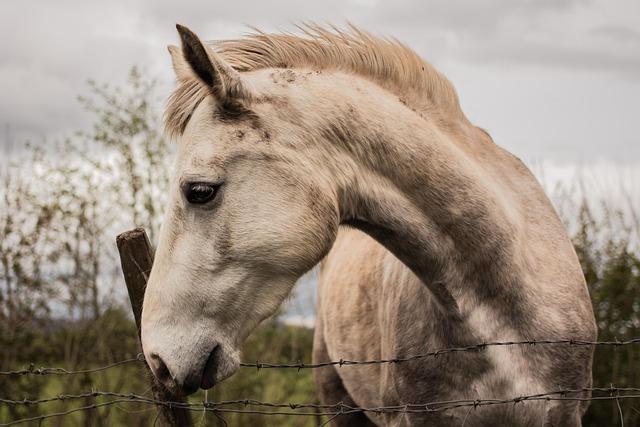
In a move that has sparked both support and controversy, the federal government has commenced a significant effort to manage the population of wild horses in Colorado. As part of an ongoing initiative to prevent overpopulation, the Bureau of Land Management (BLM) has begun thinning the herds in designated areas across the state. Advocates argue that this action is necessary to maintain ecological balance and protect natural resources, while critics contend that the removal process is inhumane and disregards the horses’ rights. This article explores the complexities surrounding the thinning efforts, the implications for Colorado’s iconic wild horse populations, and the ongoing debate over how best to ensure their long-term survival.
Impact of Wild Horse Population Management on Colorado Ecosystems
The management of wild horse populations in Colorado has significant implications for the state’s ecosystems. As herds grow beyond sustainable numbers, overgrazing becomes a pressing issue. This can lead to a decline in native plant species, soil degradation, and increased erosion. To mitigate these effects, federal interventions aim to thin the herds, promoting ecological balance and ensuring that both horse populations and their habitats have the opportunity to thrive. Key benefits of this approach include:
- Improved plant health: Reducing grazing pressure allows native vegetation to recover, fostering biodiversity.
- Soil conservation: Healthy plant cover leads to better soil retention, minimizing erosion during heavy rains.
- Water quality enhancement: Fewer horses mean less trampling in riparian areas, preserving water sources for other species.
Moreover, the thinning of wild horse populations can stabilize the competition dynamics among various species that share Colorado’s landscape. As resources become more evenly distributed, a wider range of wildlife can benefit from the improved conditions. Understanding the interconnectedness of species is crucial; for example, plants that flourish without the excessive grazing also support pollinators and other wildlife. The following table illustrates the relationship between horse population size and ecosystem health indicators:
| Horse Population Size | Native Plant Species Diversity | Soil Erosion Rate | Water Quality Index |
|---|---|---|---|
| High | Low | High | Poor |
| Moderate | Medium | Moderate | Fair |
| Low | High | Low | Good |
Balancing Conservation Efforts with Stakeholder Perspectives
The recent decision to thin wild horse populations in Colorado has ignited a complex debate about conservation, ecological balance, and stakeholder engagement. While the federal government argues that reducing herd sizes is essential to maintaining land health and promoting biodiversity, many local communities and advocacy groups express concern that this approach overlooks the intrinsic value of these animals. Advocates argue for alternative methods that prioritize the welfare of wild horses while also considering environmental impacts. Key points from the debate include:
- Ecological Concerns: Overgrazing by large herds can lead to habitat degradation.
- Cultural Significance: Wild horses have historical significance and are regarded as icons of the American West.
- Economic Impact: Local economies can be affected by tourism centered around wild horse viewing.
- Animal Welfare: Critics advocate for humane relocation or fertility control instead of culling.
Engaging stakeholders in the decision-making process is crucial to formulating a balanced strategy that respects both conservation goals and community interests. The implementation of advisory panels consisting of local ranchers, environmentalists, and horse advocacy groups could foster collaborative dialogue. A potential framework for stakeholder involvement could include:
| Stakeholder Group | Concerns/Goals |
|---|---|
| Local Ranchers | Manage grazing land; economic viability |
| Environmentalists | Protect ecosystems; enhance biodiversity |
| Horse Advocates | Ensure humane treatment; preserve wild populations |
| State Agencies | Regulate land use; ensure compliance with federal laws |
Strategies for a Sustainable Approach to Wild Horse Herd Management
Effective management of wild horse herds in Colorado necessitates a balance between ecological sustainability and the welfare of the animals. Various strategies can be employed to achieve this equilibrium, including:
- Population Monitoring: Continual assessment of herd sizes to ensure populations remain within manageable limits without resorting to drastic thinning practices.
- Implementing Fertility Control: Utilizing safe contraceptive methods to control growth rates organically and maintain herd health.
- Public-Private Partnerships: Collaborating with local organizations to develop programs that promote the conservation of wild horses in harmony with land management goals.
- Sustainable Grazing Practices: Incorporating rotational grazing and habitat restoration measures to support both horse populations and native ecosystems.
Moreover, community involvement is crucial in fostering a sustainable approach. Engaging local stakeholders can help to promote understanding and support for wild horse management strategies. Implementing educational initiatives will pave the way for:
| Initiative | Description |
|---|---|
| Community Workshops | Providing platforms for discussions on herd management and ecological impacts. |
| Volunteer Programs | Encouraging local residents to participate in herd monitoring and habitat restoration efforts. |
| Awareness Campaigns | Educating the public on the challenges facing wild horse populations and their environmental roles. |
To Wrap It Up
As the federal government moves forward with its controversial plan to thin the wild horse populations in Colorado, the implications of this initiative extend far beyond the immediate landscape. Advocates argue that reducing herd sizes is crucial for the health of the ecosystem and for the welfare of the horses themselves, while opponents raise concerns about animal rights and the ethical considerations of rounding up these iconic creatures. As discussions continue and the situation unfolds, the balance between preservation and management of wild horse populations remains a contentious issue. With public opinion divided, stakeholders on all sides will be watching closely to see how this policy will shape the future of these cherished animals and the habitats they roam. The outcome could set a precedent for wildlife management practices nationwide.

