

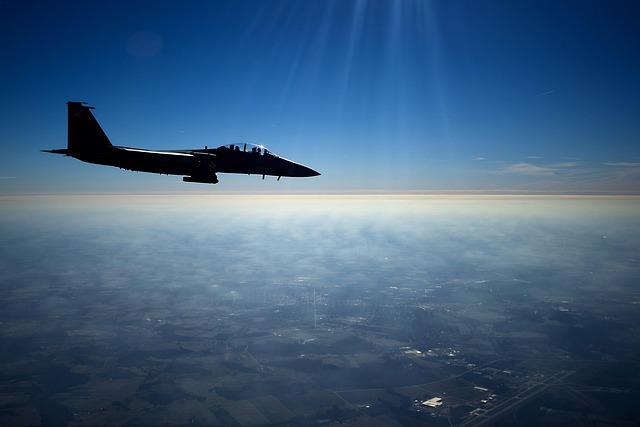
In a dramatic turn of events, the United States has launched a series of military strikes against Venezuela, leading to the reported capture of President Nicolás Maduro. Official sources indicate that Maduro has been detained and subsequently flown out of the country amidst escalating tensions in the region. The operation, which has sparked widespread international debate, marks a significant escalation in U.S. involvement in Latin American politics and raises urgent questions about the implications for Venezuela’s future and regional stability. This article explores the details surrounding the strikes, the reactions from the Venezuelan government, and the broader geopolitical ramifications of this unprecedented action.
US Military Action in Venezuela: Analyzing the Implications of Maduro’s Capture
The reported capture of Nicolás Maduro has sent shockwaves throughout the geopolitical landscape. This unprecedented move by the U.S. military raises significant questions about the balance of power in South America and the long-term ramifications for Venezuelan citizens. Maduro’s ousting could lead to a shift in the political dynamics within the country, potentially opening the door to a more democratic governance structure. Observers speculate that this action might galvanize opposition forces and enable the establishment of a provisional government. However, the immediate effects could be destabilizing, as Maduro loyalists may resist the transition, igniting further unrest and violence.
In analyzing the potential implications of Maduro’s capture and the U.S. military’s intervention, several factors emerge as critical points of concern:
- Increased Tensions: The military action may heighten tensions between the U.S. and other regional powers, particularly those that support Maduro.
- Humanitarian Crisis: Continued instability could exacerbate Venezuela’s humanitarian crisis, worsening conditions for millions of citizens.
- International Response: Other nations may react differently; countries like Russia and China could offer support for Maduro’s regime, complicating the situation further.
To better illustrate these potential outcomes, the following table outlines the possible scenarios and their implications following Maduro’s capture:
| Scenario | Implications |
|---|---|
| Establishment of a New Government | Possibility of fair elections and political reforms. |
| Escalated Conflict | Increased violence and political repression by Maduro loyalists. |
| International Intervention | Potential for broader military involvement from regional powers. |
The Global Response to Venezuela’s Political Turmoil: Evaluating International Reactions and Next Steps
The recent announcement from the United States regarding the alleged capture of Venezuelan leader Nicolás Maduro marks a significant turning point in the ongoing political turmoil within Venezuela. In the aftermath of the strike, various world leaders and international organizations have reacted with a mixture of support and skepticism. Notably, the European Union and several Latin American nations have expressed concerns over the legality and potential ramifications of U.S. military intervention. They are calling for a peaceful resolution to the crisis, emphasizing the importance of dialogue and respecting Venezuelan sovereignty.
As global reactions unfold, questions arise about the next steps for Venezuela and the international community. Key points of consideration include:
- Humanitarian Aid: International organizations are urging immediate access to humanitarian assistance for affected Venezuelans, regardless of political affiliations.
- Diplomatic Engagement: Countries are contemplating new diplomatic approaches, with some suggesting the formation of a special envoy to facilitate talks.
- Long-term Stability: Analysts are debating the implications of a power vacuum and the need for a comprehensive strategy to ensure political and economic stability in the region.
To further evaluate the situation, a comparative analysis of international responses has emerged, focusing on the diverse approaches taken by major global players:
| Country/Region | Response Type | Comments |
|---|---|---|
| United States | Military Intervention | Claims of capturing Maduro. |
| European Union | Diplomatic Caution | Calls for peaceful negotiations. |
| France | Humanitarian Focus | Emphasizes the need for aid to civilians. |
| Brazil | Regional Dialogue | Proposes a regional summit on Venezuela. |
These varied reactions underline the complex and multifaceted nature of the crisis, signaling that the path ahead will require careful navigation and collaboration on an international scale.
Humanitarian Considerations in the Aftermath of Military Strikes: Addressing the Needs of Venezuelan Citizens
In the wake of the recent military strikes in Venezuela, the humanitarian situation has become increasingly dire, with thousands of civilians caught in the crossfire. As international attention shifts towards the political implications of the strikes and the reported capture of President Maduro, it is crucial to address the urgent needs of the Venezuelan populace. The local infrastructure, already weakened by years of economic turmoil, has sustained significant damage, exacerbating the struggles faced by ordinary citizens. Essential services such as healthcare, water supply, and food distribution are at risk of collapse, which calls for immediate international response.
The international community must prioritize humanitarian assistance to alleviate the suffering of civilians. Key considerations include:
- Access to medical care: Providing support for hospitals and clinics to treat the injured and manage health crises.
- Food security: Coordinating the delivery of food supplies to combat malnutrition and hunger.
- Safe havens: Establishing secure zones where civilians can seek refuge from ongoing violence.
- Psychosocial support: Implementing programs to address trauma and mental health issues exacerbated by the conflict.
| Humanitarian Needs | Current Status |
|---|---|
| Medical Supplies | Severely depleted |
| Water Access | Restricted in many areas |
| Food Distribution | Emergency assistance required |
| Refugee Support | Insufficient resources |
The Conclusion
In conclusion, the U.S. military strikes against Venezuela and the reported capture of President Nicolás Maduro mark a significant escalation in the ongoing conflict between the two nations. With the situation still developing, international observers are closely monitoring the implications for both Venezuela’s internal stability and U.S. foreign policy in Latin America. As the Biden administration seeks to navigate the complexities of regional geopolitics, questions remain about the future of Venezuela’s leadership and the potential ramifications for the Venezuelan people. PBS will continue to provide updates and analysis as this critical story unfolds.

