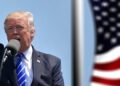
In a bid to bolster U.S. efforts against drug trafficking, former President Donald Trump has called on leaders from Latin America to take more aggressive measures in the fight against powerful drug cartels. During a recent address, Trump urged these nations to consider military intervention as a means to combat the escalating violence and drug-related crime that has plagued the region and spilled over into American communities. His remarks reflect a growing concern over the pervasive influence of cartels and their impact on regional stability. As the U.S. grapples with an ongoing opioid crisis and rising crime rates, the former president’s appeal raises significant questions about international cooperation, sovereignty, and the potential implications of military involvement in complex domestic issues.
Trump Calls for Military Collaboration with Latin American Leaders to Tackle Drug Cartels
The former president has emphasized the need for a robust military partnership with leaders across Latin America to address the escalating crisis of drug cartels. Trump’s proposal underlines the importance of a coordinated effort to combat the significant influence of these organizations on both sides of the border. He argues that a united front could enhance operational effectiveness and lead to better intelligence-sharing among nations. Trump’s initiative aims to not only disrupt the operations of these cartels but also to stabilize regions heavily impacted by violence and drug trafficking.
In his address, he outlined several key benefits of this collaboration, which may include:
- Improved operational coordination against drug trafficking.
- Shared intelligence to track cartel movements.
- Joint military exercises to prepare for confrontations.
While the idea aims to foster greater security, it has sparked discussions regarding the potential ramifications of military involvement in international policing, raising ethical questions about sovereignty and intervention. As countries in Latin America weigh the implications of this suggestion, the discourse around it will undoubtedly shape future diplomatic relations in the region.
Analyzing the Proposed Military Strategy Against Cartel Violence and Its Potential Consequences
The recent call by former President Trump for Latin American countries to adopt a military approach to combat cartel violence presents both opportunities and challenges. Supporters argue that heightened military involvement could lead to a more coordinated fight against drug trafficking organizations, potentially disrupting their operations significantly. This approach could be framed as a multinational effort, strengthening diplomatic ties through a common objective. Key elements of this strategy might include:
- Joint military exercises to share intelligence and resources.
- Increased funding from the U.S. for military logistics and training.
- Collaborative strike operations targeting major cartel leaders and infrastructure.
However, such a military-centric strategy raises serious concerns about regional sovereignty and the potential for escalating violence. Many analysts warn that increased military presence could further destabilize these nations, leading to civilian casualties and possible backlash against both U.S. influence and local governments. Historical precedents highlight the dangers, such as:
| Event | Outcome |
|---|---|
| Colombian Plan Colombia | Increased conflict, displacement of civilians |
| Mexico’s War on Drugs | Surge in cartel violence, human rights abuses |
As Latin American leaders weigh their options and the implications of U.S. military support, it is crucial to consider the long-term socio-political consequences, which may include strains on civil liberties and local governance, alongside the immediate aim of dismantling cartel operations.
Recommendations for Regional Cooperation and Strengthening Border Security Amidst Rising Threats
The increasing influence of drug cartels in Latin America has prompted a growing call for enhanced regional cooperation among Latin American countries and the United States. As leaders from this pivotal region convene, it’s essential that they recognize the significance of a united front against these transnational threats. Several strategies can be adopted to bolster cooperation:
- Create Multinational Task Forces: Establishing joint task forces that include military and law enforcement resources from multiple countries could enhance operational effectiveness in disrupting cartel activities.
- Intelligence Sharing: Implementing secure channels for sharing intelligence regarding cartel movements and operations could significantly improve responsiveness and strategic planning for all involved nations.
- Joint Training Programs: Developing specialized training initiatives focused on counter-narcotics operations can ensure that law enforcement and military personnel from different countries are well-prepared to collaborate on the ground.
- Community Engagement Initiatives: Investing in community programs aimed at reducing drug demand and providing alternatives to at-risk populations will help tackle the root causes of cartel proliferation.
Furthermore, addressing cross-border challenges necessitates a coordinated approach, focusing not only on militaristic measures but also on socio-economic development. Countries should consider forming economic alliances aimed at improving opportunity in regions most affected by cartel influence. Proposed actions include:
| Action | Description |
|---|---|
| Investment in Education | Enhancing educational access to reduce vulnerability to criminal recruitment. |
| Job Creation Programs | Developing job opportunities in areas plagued by cartel violence to foster stability. |
| Health Initiatives | Promoting health care access to combat substance abuse and addiction within communities. |
The Conclusion
In conclusion, former President Donald Trump’s call for Latin American leaders to employ military intervention in the fight against drug cartels marks a significant escalation in U.S. foreign policy discussions regarding narcotics trafficking. As the Biden administration grapples with a persistent opioid crisis at home, Trump’s approach raises questions about the effectiveness and consequences of international military collaboration in addressing organized crime. The reactions from Latin American governments will be critical in shaping the future of this initiative, as leaders weigh the implications of external military involvement against domestic sovereignty and the quest for stability. As the dialogue continues, the implications for regional security and U.S.-Latin America relations will undoubtedly remain at the forefront of political discourse.