

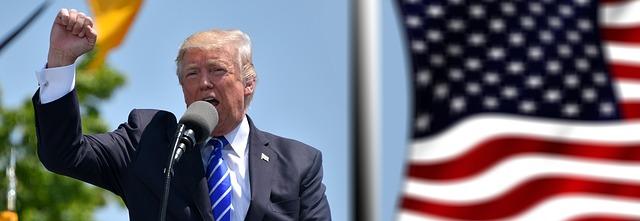
In a striking development that could reshape U.S.-Venezuelan relations, former President Donald Trump has indicated a willingness to consider the establishment of a U.S. military base in Venezuela, South America. This announcement, made during a recent public appearance, has elicited a mix of surprise and concern among political analysts and international relations experts. As tensions in the region continue to escalate, Trump’s remarks could signal a significant shift in U.S. foreign policy towards Venezuela, which has been grappling with political unrest and economic turmoil. The implications of such a move are vast, potentially impacting not only U.S.-Venezuela relations but also altering the dynamics of power in South America. This article delves into the context of Trump’s statement, its potential ramifications, and the reactions from both domestic and international stakeholders.
Trump’s Shift in Strategy Raises Controversy Over Potential Military Base in Venezuela
In a recent statement, former President Donald Trump stirred significant debate with his suggestion of establishing a U.S. military base in Venezuela, a nation long plagued by political instability and economic turmoil. This proposition marks a notable shift in Trump’s foreign policy focus, raising eyebrows among both supporters and critics. Proponents argue that such a measure could help stabilize the region, deter hostile threats, and support democratic movements within Venezuela. Critics, on the other hand, are concerned about the implications of military presence, fearing it may escalate tensions not only within South America but also between the U.S. and other global powers, particularly Russia and China, who have vested interests in the region.
The potential establishment of a military base invites a host of contentious issues, including:
- Regional Reaction: Many South American countries may view this move as an infringement on their sovereignty, potentially resulting in diplomatic rifts.
- Military Resource Allocation: Critics question whether the U.S. can justify deploying resources to South America when pressing issues exist in other parts of the world.
- Impact on Humanitarian Efforts: Many humanitarian organizations fear that militarization could overshadow the urgent needs of Venezuelans facing food shortages and healthcare crises.
In light of this proposal, international relations scholars point out the importance of weighing the potential benefits against the considerable risks of escalating military presence. A closer examination is required to predict the ramifications of Trump’s shift, not only for U.S.-Latin America relations but also for broader geopolitical strategies.
Geopolitical Implications of a U.S. Military Presence in South America
The potential establishment of a U.S. military base in Venezuela could have far-reaching ramifications for both regional and global geopolitics. A military presence could be interpreted as a direct challenge to the influence of countries like Russia and China, both of which have invested heavily in South America and maintained close ties with the Venezuelan government. This move might trigger an escalation of military posturing from these nations, leading to a heightened risk of conflict in the broader Latin American region. Additionally, it raises concerns about sovereignty and may galvanize leftist movements that oppose U.S. intervention, potentially destabilizing already fragile governments across South America.
Moreover, the implications for U.S. foreign policy are significant. Establishing a base might signal a strategic pivot toward South America, where issues such as drug trafficking, migration, and climate change are high on the agenda. By positioning military assets closer to key territories, the U.S. could enhance its capacity to respond to various crises. Potential benefits and concerns might include:
- Enhanced Regional Security: A base could help combat drug trafficking and organized crime.
- Strategic Alliances: Strengthening ties with pro-U.S. governments in the region could foster collaborative security efforts.
- Regional Tensions: A military presence may provoke backlash from other regional powers, complicating diplomatic relations.
Recommendations for Navigating Diplomatic Relations in the Region
Amid the evolving geopolitical climate in South America, establishing collaborative and respectful diplomatic relationships is essential for the stability of the region. Engagement in dialogue with neighboring countries can foster cooperation and mutual understanding, potentially mitigating tensions. It is crucial for U.S. policymakers to prioritize transparent communication channels and multilateral discussions to address shared challenges. Utilizing international forums and organizations can further ensure that all voices are heard, enhancing legitimacy and support for any actions taken in the region.
Furthermore, adopting a strategic approach toward bilateral relations is needed. Diplomatic efforts should focus on:
- Building trust through humanitarian aid and economic partnerships.
- Encouraging democratic governance and human rights observances across the continent.
- Investing in cross-border trade and cultural exchanges to bolster ties.
A commitment to addressing long-standing issues-such as economic inequality and political unrest-can solidify partnerships and create a more stable environment. Establishing clear diplomatic objectives while respecting national sovereignty will be pivotal in successfully navigating the complexities of regional politics.
In Conclusion
In conclusion, former President Donald Trump’s recent remarks regarding the potential establishment of a U.S. military base in Venezuela underscore a significant escalation in the U.S.’s approach to geopolitical tensions in South America. As the implications of such a move reverberate across the region and the international community, analysts and political leaders alike will be closely monitoring the situation. The discussions surrounding U.S. military presence are not only indicative of the ongoing strife in Venezuela but also hint at broader strategic considerations as the U.S. navigates its role in global affairs. As developments unfold, it remains crucial for citizens and policymakers to engage with these issues, ensuring that the dialogue remains informed and constructive. Stay tuned for updates as this story continues to evolve.

