

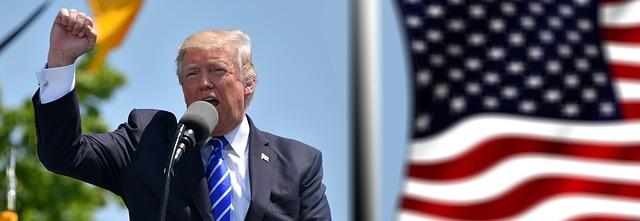
In the wake of the recent U.S. military strike on Venezuela, which resulted in the capture of President Nicolás Maduro, former President Donald Trump has made a series of bold statements regarding the implications of this significant geopolitical event. As the political landscape becomes increasingly polarized, it is imperative to scrutinize these claims for accuracy and context. This article delves into Trump’s assertions, exploring their validity and the broader implications for U.S.-Venezuela relations and international diplomacy. Through diligent fact-checking, we aim to separate rhetoric from reality, providing a clearer understanding of the situation as it unfolds in the wake of this unprecedented action.
Analyzing the Accuracy of Trump’s Statements on Venezuela’s Military Engagement
In the wake of a recent U.S. military strike targeting Venezuela, former President Donald Trump made several assertions regarding the country’s military engagement and the political instability within its borders. To assess the validity of these claims, it’s essential to break down key statements made by Trump concerning the Venezuelan military and its leadership. While he suggested that Venezuelan forces were in disarray and that defections were rampant, independent analyses reveal a mixed picture. Many reports indicate that despite economic burdens and international sanctions, the Venezuelan military remains largely loyal to Nicolás Maduro, maintaining a considerable degree of operational capability and control.
A closer examination of operational details reveals that while there have been some high-profile defections, the overall structure of the Venezuelan armed forces has not significantly eroded. Key points include:
- Retention of Power: Maduro’s regime continues to enforce loyalty through a network of rewards and punishments.
- International Support: Russia and China have provided military and economic backing, complicating the landscape.
- Public Perception: Reports suggest a sense of fear within the ranks, as leadership addresses dissent through coercive measures.
This situation underscores a broader narrative that requires careful scrutiny of the rhetoric surrounding U.S. military actions and their implications on foreign relations. Trump’s framing of the Venezuelan military’s status may reflect a desire to bolster domestic political support rather than an accurate representation of on-ground realities.
Examining the Implications of Maduro’s Capture for U.S.-Venezuela Relations
The recent capture of Nicolás Maduro has raised significant questions regarding the future of U.S.-Venezuela relations. For years, Maduro’s regime has been a thorn in the side of U.S. foreign policy, characterized by a solid alliance with adversaries such as Russia and Iran. Now, as a vacuum of leadership emerges, analysts are contemplating how the U.S. will respond in diplomatic terms. The implications could range widely, including:
- Increased Diplomatic Engagement: The U.S. might seek to foster a new regime that could potentially align more closely with American interests.
- Sanctions Reevaluation: With a change in leadership, Washington may consider lifting certain sanctions aimed at Maduro’s administration, signaling a move towards normalization.
- Humanitarian Aid Initiatives: The U.S. could ramp up efforts to deliver aid to alleviate the ongoing humanitarian crisis in Venezuela, especially if a more sympathetic government emerges.
Conversely, the risk of destabilization in Venezuela also looms large, as power struggles could emerge in the wake of Maduro’s capture. The U.S. may find itself navigating a complex landscape where local factions vie for power. Policymakers will need to remain vigilant to ensure that any transition of power does not result in a deeper humanitarian crisis or unintended consequences. Among the concerns are:
- Potential for Violence: The aftermath of Maduro’s capture may lead to aggressive resistance from loyalists, which could complicate the transition period.
- Regional Instability: Neighboring countries might face increased pressures as displaced Venezuelans flood over borders or as new political dynamics shift alliances.
- Impact on U.S.-Latin America Relations: The U.S. must tread carefully to maintain cooperative relationships with other Latin American countries that may have differing responses to the regime change.
| Aspect | Potential Outcome |
|---|---|
| Diplomatic Engagement | Increased dialogue with new Venezuelan leaders |
| Sanctions | Potential lifting of existing sanctions |
| Humanitarian Aid | Increased aid efforts for Venezuelan citizens |
| Stability | Risk of increased violence and instability |
Recommendations for Responsible Discourse in Reporting Geopolitical Events
Responsible discourse in the realm of geopolitical reporting demands a rigorous approach to verification and clarity. Journalists and commentators should prioritize fact-checking as a fundamental component of their reporting. It is crucial to validate claims made by high-profile figures, especially in contexts as sensitive as military interventions. This includes cross-referencing statements with reliable sources to ensure accuracy. Readers need to be made aware of which assertions are backed by evidence and which may require skepticism.
Additionally, reporters should be conscious of the potential ramifications that inflammatory language can have on public perception and policy. To mitigate misinterpretation, it is essential to employ clear and precise language, steering clear of sensationalism. Striking a balance between engaging storytelling and precise communication can foster a more informed citizenry. Below is a concise overview of recommended practices for journalists:
| Recommended Practices | Description |
|---|---|
| Fact-checking | Verify claims with credible sources before publication. |
| Use of Clear Language | Avoid jargon and sensational terminology to prevent misunderstandings. |
| Citing Sources | Provide transparent links to all sources used in reporting. |
| Contextualization | Offer background information to help readers understand the issue at hand. |
Insights and Conclusions
As the dust settles following the recent U.S. military strike on Venezuela and the dramatic capture of President Nicolás Maduro, the political landscape continues to shift, inviting a renewed discourse on strategy and accountability. President Trump’s assertions surrounding the operation have been met with scrutiny, prompting an urgent need for fact-checking to discern the reality behind his claims.
In the coming days, as both supporters and critics weigh in on the implications of this event, truth and transparency will remain paramount. While the situation unfolds, it is essential to critically evaluate the information presented by all parties involved. The stakes are high, not only for Venezuela but for global diplomatic relations, and informed discourse is crucial for understanding the broader context of these developments. As we continue to unravel the complexities of this news story, we will keep you updated with facts and analyses to guide you through this rapidly evolving situation.

