

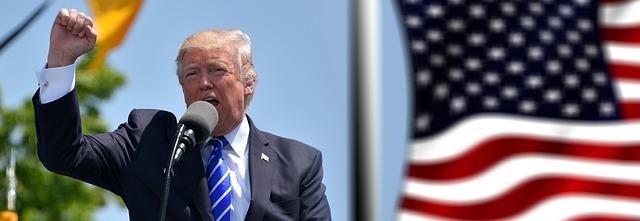
In a significant shift in U.S. drug policy, former President Donald Trump has announced the removal of Venezuela from the list of countries deemed non-cooperative in the fight against drug trafficking. This decision has sparked a series of reactions, particularly as it contrasts sharply with the continued designation of Colombia, a key U.S. ally in the region, as a major drug-producing nation. The announcement, made public amid ongoing tensions between the United States and the Venezuelan government, raises questions about the motivations behind the change and its potential implications for international relations and drug enforcement strategies in Latin America. As policymakers and analysts scramble to interpret this move, the complexities of the U.S.-Venezuela-Colombia dynamic are once again brought to the forefront of the geopolitical landscape.
Trump’s Shift in Drug Trafficking Policy Highlights Venezuela’s Evolving Role
The recent decision to remove Venezuela from the United States’ list of countries deemed ineffective in combating drug trafficking signifies a notable shift in the geopolitical landscape surrounding drug policy. This change reflects a growing recognition of Venezuela’s complex role in the global drug trade, as well as a strategic pivot by the Trump administration. Despite the ongoing political turmoil in Venezuela, the shift underscores a nuanced understanding of the intricacies of drug trafficking networks that transcend national borders. Observers suggest this reclassification may also be influenced by diplomatic considerations and a desire to engage with Venezuelan authorities amid escalating pressures from Colombia and other regional actors.
In contrast, Colombia remains firmly on the list, spotlighting ongoing challenges in its efforts to curb drug production and trafficking. The enduring presence of cocaine production and the sheer scale of Colombia’s drug trade continue to pose significant obstacles for the government. Heightened scrutiny on Colombia’s drug policies reinforces the notion that the nation is grappling with deeply entrenched issues. A comparative view of both countries paints a picture of varying approaches to combatting drug trafficking, as illustrated in the table below, which highlights key factors affecting their drug policies:
| Country | Status on Drug Trafficking | Key Challenges | Recent Actions |
|---|---|---|---|
| Venezuela | Removed from the list | Political instability, corruption | Engagement with U.S. officials |
| Colombia | Remains on the list | High cocaine production, guerilla warfare | Increased military operations against traffickers |
Colombia’s Continued Struggles on Drug Trafficking Under Scrutiny
Colombia’s ongoing battle with drug trafficking remains a significant point of concern, especially as it continues to be highlighted in international discussions. The recent decision by the Trump administration to remove Venezuela from the list of nations deemed non-compliant in combating drug trafficking starkly contrasts with the continued scrutiny on Colombia. Despite past commitments and efforts to tackle the drug trade, Colombia’s cocaine production has surged, leading to questions about the effectiveness of its anti-drug strategies. Analysts point to various factors contributing to this persistent issue, including:
- Escalating violence: Ongoing conflicts among drug cartels and armed groups exacerbate the situation.
- Corruption: Pervasive corruption in law enforcement and government complicates anti-drug efforts.
- Socio-economic challenges: Poverty and lack of opportunities drive many to engage in drug production as a means of survival.
In light of these factors, it is essential to evaluate the effectiveness of Colombia’s policies on drug trafficking. As the nation grapples with the repercussions of its drug trade, plans for reform and international cooperation are critical. Recent statistics highlight the scale of the problem:
| Year | Cocaine Production (Metric Tons) | U.S. Aid for Anti-Drug Efforts (Million USD) |
|---|---|---|
| 2019 | 1,137 | 221 |
| 2020 | 1,328 | 252 |
| 2021 | 1,400 | 245 |
This data serves as a call to action for Colombia and its allies to intensify their efforts in combating the drug trade, while also addressing the underlying social issues that fuel its persistence.
Implications for U.S.-Latin America Relations and Recommendations for Enhanced Cooperation
The recent decision to remove Venezuela from the list of countries that are failing to combat drug trafficking carries significant implications for diplomatic relations between the United States and Latin America. While this move may be interpreted as an attempt to improve ties with the Maduro government or to recalibrate U.S. foreign policy in the region, it raises concerns among allies, particularly Colombia. The Colombian government’s ongoing struggles with drug cartels and violence necessitate consistent support from the U.S., and its continued placement on the list could exacerbate tensions and complicate bilateral relations.
To enhance cooperation and foster stability in the region, several recommendations can be considered:
- Strengthening Multilateral Efforts: Engage regional partners in collaborative strategies to combat drug trafficking and promote sustainable development.
- Investment in Social Programs: Allocate resources to address the root causes of drug production and trafficking in Colombia, such as poverty and lack of education.
- Bilateral Dialogues: Establish regular communication channels between U.S. officials and Latin American leaders to discuss ongoing issues and share best practices.
- Intelligence Sharing: Enhance cooperation on intelligence gathering and sharing to track and disrupt drug trafficking networks effectively.
The Way Forward
In summary, President Trump’s decision to remove Venezuela from the list of countries deemed non-compliant in the fight against drug trafficking has ignited considerable debate, particularly in the context of U.S.-Latin American relations. While the United States maintains Colombia’s position on the list, critics argue that this move may be politically motivated rather than reflective of the realities on the ground. As the situation unfolds, it remains to be seen how this policy shift will impact both nations and the broader efforts to combat drug trafficking in the region. The implications of these decisions will surely resonate in diplomatic circles and law enforcement agencies as stakeholders continue to navigate the complexities of drug-related issues in Latin America.

