

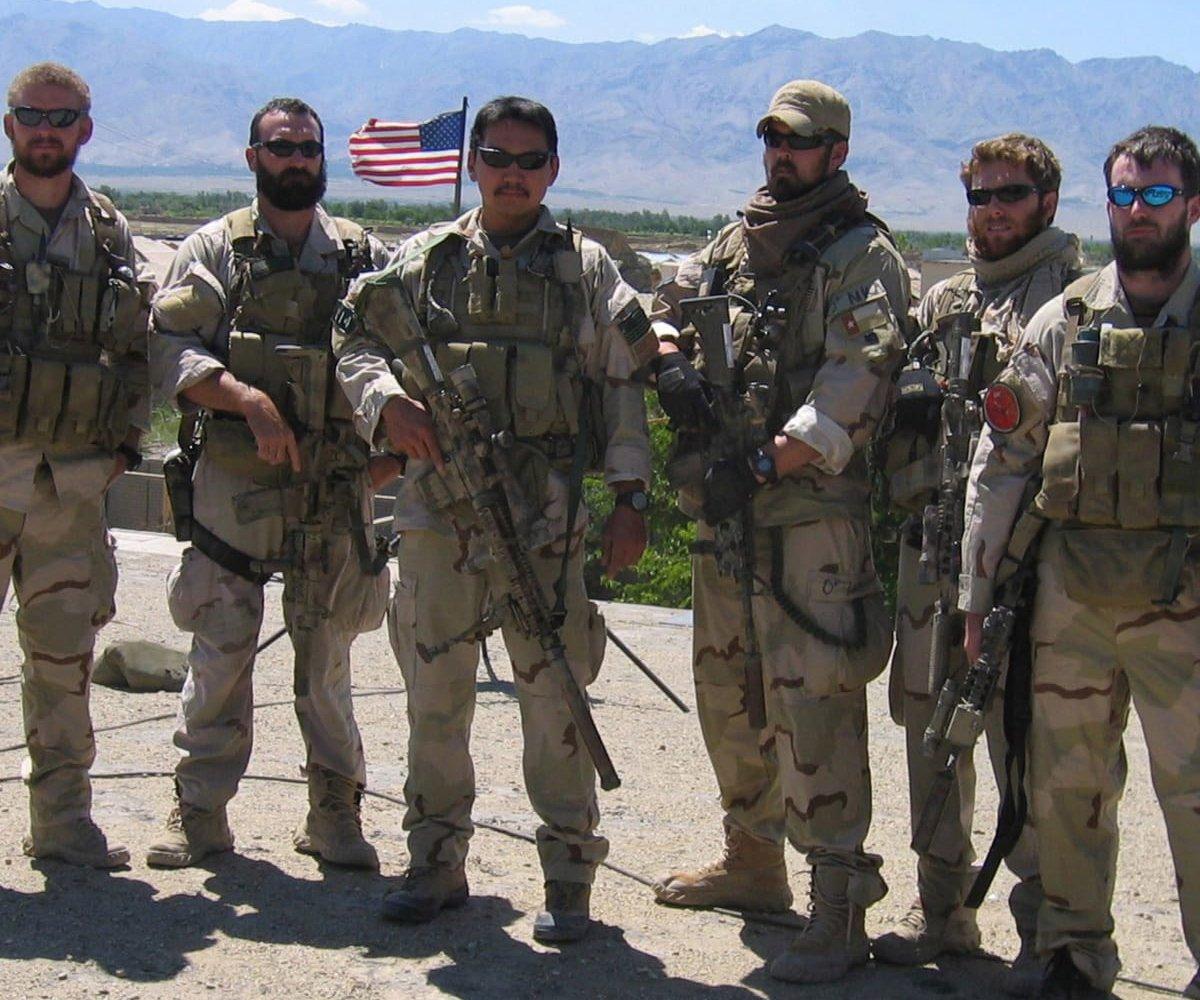
In a significant development amidst rising tensions in Venezuela, U.S. military presence in the Caribbean has sparked concerns about potential intervention as fears of regime change grow. The sighting of U.S. Army special operations units, known as the “Night Stalkers,” in the region has raised alarms among regional observers and Venezuelan officials alike. The Night Stalkers, renowned for their expertise in nighttime operations and counter-terrorism missions, are typically deployed in high-stakes scenarios, suggesting an escalated U.S. commitment to addressing the political crisis that has gripped Venezuela for years. As President Nicolás Maduro clings to power amid widespread protests and economic turmoil, the implications of increased American military engagement warrant scrutiny, particularly in the context of international law and regional stability. This article explores the potential ramifications of the Night Stalkers’ presence in the Caribbean and the geopolitical dynamics at play in Venezuela’s tumultuous landscape.
US Military Presence in the Caribbean Sparks Concerns Over Venezuelan Stability
The recent deployment of the US Army’s elite 160th Special Operations Aviation Regiment, commonly known as the “Night Stalkers,” in the Caribbean region has ignited heightened anxieties concerning Venezuela’s political landscape. Observers note that this visible military presence raises questions about the motives behind such maneuvers, especially given the ongoing instability in Venezuela, which has been characterized by economic turmoil and social unrest. Analysts suggest that the US may be positioning itself to capitalize on any potential regime change, viewing the situation through a strategic lens as tensions escalate between the US and the Maduro administration.
Concerns surrounding the implications of these military actions are widespread among both local and international entities. Key points driving the unease include:
- Increased Military Readiness: The deployment signifies a shift in military strategy, emphasizing readiness to respond to potential crises in Venezuela.
- Regional Tensions: Neighboring countries are apprehensive about the US’s intentions, fearing a ripple effect on their own sovereignty and stability.
- Humanitarian Concerns: Critics argue that military interventions could exacerbate the plight of Venezuelan citizens rather than provide relief.
As reports of US assets moving closer to Venezuelan borders accumulate, the possibility of a pre-emptive strike, whether covert or overt, remains a pressing topic of debate among policymakers and military strategists alike.
Analysis of Potential Impacts of U.S. Operations on Regional Security Dynamics
The deployment of U.S. operations, particularly the presence of the elite ‘Night Stalkers’ in the Caribbean, brings forth serious considerations regarding its ramifications on the delicate balance of regional security. As political tensions escalate in Venezuela, the visibility of American military units could be interpreted as an assertive stance against the current regime. Such posturing may shift local public sentiments, stoking fears of foreign intervention and potentially galvanizing support for the Venezuelan government, which has historically used external threats to bolster its domestic legitimacy. In this context, the ramifications are manifold:
- Heightened Regional Tensions: Increased U.S. military presence could provoke other regional actors to react defensively or aggressively.
- Perceptions of Intervention: Neighboring countries might interpret U.S. actions as a pretext for intervention, altering their diplomatic strategies.
- Domestic Implications: The Venezuelan government may capitalize on this narrative to unify the populace against perceived external threats.
To better understand the implications of U.S. operations, it is useful to analyze their potential impact in a structured manner. The following table illustrates key factors:
| Factor | Potential Impact |
|---|---|
| Military Posture | Changes in regional alliances |
| Diplomatic Relations | Strained ties with certain Latin American countries |
| Civil Unrest | Increased opposition mobilization in Venezuela |
| Economic Sanctions | Possible retaliatory measures from affected nations |
Recommendations for Diplomatic Engagement in Response to Growing Tensions in Venezuela
In light of the increasing military presence and rising tensions surrounding Venezuela, it is crucial for stakeholders to adopt a multi-faceted approach to diplomatic engagement. Direct dialogue should be prioritized, with representatives from the U.S. and allied nations opening channels with Venezuelan officials to address underlying issues. This can be achieved through:
- Establishing back-channel communications to foster trust and mitigate misunderstandings.
- Engaging international organizations, such as the UN and OAS, to broker discussions and maintain oversight.
- Promoting regional peace conferences, inviting neighboring countries to contribute to a unified strategy.
Additionally, economic incentives and diplomatic pressure should be cautiously balanced to ensure the Venezuelan leadership feels both the consequences of their actions and the opportunities for reform. Possible methods include:
| Incentives | Pressures |
|---|---|
| Revocation of sanctions for compliance on humanitarian aid delivery. | Increased sanctions targeting financial assets of key officials. |
| Investment in social programs contingent on human rights improvements. | Public condemnation of human rights violations through global forums. |
Key Takeaways
As tensions escalate in Venezuela amid growing fears of potential regime change, the deployment of U.S. ‘Night Stalkers’ in the Caribbean underscores the region’s strategic significance and the complex interplay of military and political forces at play. While the presence of these elite forces may be interpreted as a signal of U.S. commitment to regional stability, it also raises critical questions about sovereignty, intervention, and the implications for local populations. As the situation continues to unfold, all eyes will remain on Venezuela and its neighbors, where the stakes are undeniably high and the consequences of external involvement could ripple far beyond the shores of the Caribbean. The unfolding narrative will likely shape not only the future of Venezuela but also the broader geopolitical landscape in Latin America.

