

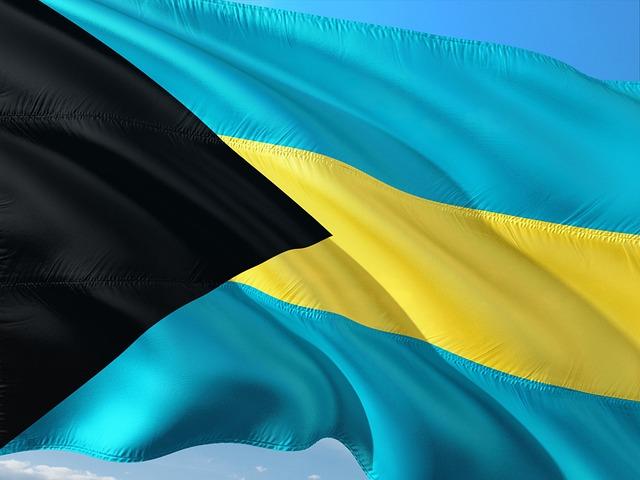
In a significant affirmation of his leadership, Prime Minister Philip Davis has been reelected to continue guiding the Bahamas, marking a pivotal moment in the nation’s political landscape. Davis’s victory underscores the confidence of the electorate in his administration’s policies and vision for the country’s future. Following the announcement of the election results, U.S. officials expressed their congratulations, highlighting the importance of strong bilateral relations between the two nations. As the Bahamas navigates ongoing economic challenges and seeks to bolster its recovery, the reappointment of Davis promises to be a critical factor in shaping the path ahead for this Caribbean nation.
Bahamas Prime Minister Philip Davis Secures Reelection Amidst Economic Challenges
In a closely watched election, Prime Minister Philip Davis clinched a decisive victory, securing his position amidst a backdrop of economic hurdles confronting the Bahamas. Voter turnout was markedly high, reflecting the public’s engagement and the prevailing sentiment over economic recovery and governance. Davis’s administration campaigned on a platform focused on restoring growth and addressing pressing issues such as unemployment and inflation. Key priorities outlined by the Prime Minister included:
- Job Creation: Implementing programs aimed at stimulating local industry.
- Healthcare reform: Enhancing the accessibility and quality of medical services.
- Sustainability initiatives: Committing to environmentally friendly policies to protect the Bahamas’ natural resources.
International observers, including U.S. officials, have congratulated Davis on his reelection, acknowledging the stability his governance brings amid fluctuating economic conditions. The United States expressed optimism regarding ongoing collaboration in areas such as trade and tourism. “The Bahamas remains a vital partner in the Caribbean,” stated a U.S. State Department representative. Further efforts are expected to bolster the tourism sector, which is crucial for the Bahamian economy, as the government navigates the complexities of post-pandemic recovery. A recent survey highlights the confidence in Davis’s leadership, showing a significant faction of the population eager for positive change:
| Issue | Public Confidence (%) |
|---|---|
| Economic Recovery | 68 |
| Healthcare Improvements | 72 |
| Job Creation | 65 |
U.S. Response to Bahamas Election: A Focus on Strengthening Bilateral Relations
The recent reelection of Prime Minister Philip Davis has garnered prompt and positive reactions from the United States, signaling a commitment to enhancing bilateral relations between the two nations. The U.S. government extended its congratulations through an official statement that highlighted the importance of collaboration in addressing common challenges and mutual interests. This move underscores the role of the Bahamas as a crucial partner in the Caribbean, especially in areas such as economic development, climate change, and regional security.
In the wake of the election results, U.S. officials have reiterated their intention to work closely with the Davis administration. Specific areas of focus include:
- Strengthening Trade Relations: Initiatives to promote economic cooperation and reduce trade barriers.
- Enhancing Security Cooperation: Joint efforts to combat drug trafficking and address human trafficking.
- Climate Resilience: Collaborative projects aimed at building resilience against climate-related disasters.
| Area of Cooperation | Potential Initiatives |
|---|---|
| Trade | Trade agreements, export promotion |
| Security | Joint training exercises, intelligence sharing |
| Climate Action | Renewable energy projects, disaster response strategies |
These efforts reflect a shared vision for a prosperous future in the region, paving the way for enhanced collaboration that benefits both nations. As PM Davis embarks on his new term, the focus on strengthening these ties will be crucial in navigating the evolving landscape of international relations and regional dynamics.
Future Recommendations for Bahamas Leadership: Emphasizing Sustainable Development and Inclusive Governance
As the Bahamas enters a new chapter under Prime Minister Philip Davis, it is crucial to focus on strategies that promote sustainable development and forge paths to inclusive governance. To achieve this, leadership should consider the following recommendations:
- Investment in Renewable Energy: Encourage the transition from fossil fuels to renewable sources such as solar and wind, creating jobs and supporting local economies.
- Climate Resilience Planning: Implement comprehensive strategies to address climate change, including infrastructure upgrades to withstand severe weather events.
- Public Participation Initiatives: Foster greater citizen engagement throughout the decision-making process, ensuring all voices are heard, especially marginalized communities.
- Promoting Local Economies: Support small and medium-sized enterprises (SMEs) with grants and incentives aimed at boosting local production and tourism.
In addition, the government could consider establishing a Sustainability Council to monitor and evaluate progress towards environmental goals. This council could provide recommendations and serve as a resource for best practices. Here’s a proposed structure for such a council:
| Council Component | Responsibilities |
|---|---|
| Environmental Experts | Advise on ecological impacts and sustainability practices. |
| Community Representatives | Ensure local voices and interests are prioritized. |
| Government Officials | Facilitate implementation of policies and maintain accountability. |
| Business Leaders | Promote economic initiatives aligned with sustainability goals. |
Concluding Remarks
In conclusion, the reelection of Prime Minister Philip Davis marks a significant moment for the Bahamas, as it reflects the electorate’s confidence in his leadership amid ongoing challenges and opportunities for growth. The United States’ prompt congratulations underline the importance of the bilateral relationship between the two nations. As the Bahamas navigates its path forward under Davis’s administration, both domestic policies and international collaborations will be vital in addressing the pressing issues facing the country. Observers will be closely watching how his government operates in the coming term and the impact of his policies on the Bahamian economy, social development, and environmental sustainability. As the nation embarks on this new chapter, the future remains poised for potential transformation and progress in the vibrant archipelago.

