

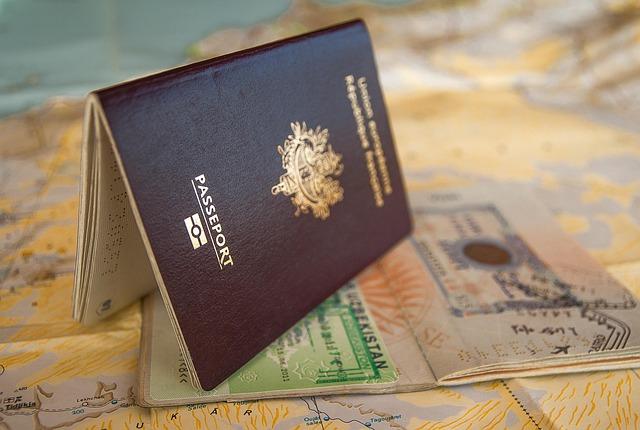
In a significant diplomatic move that underscores ongoing tensions in the region, the United States has revoked visas for several Latin American officials, including Bolivia’s top prosecutor, Juan Lanchipa. This action, announced as part of a broader initiative aimed at addressing corruption and impunity, highlights the U.S. government’s commitment to promoting accountability in Latin America. The decision has sparked a wave of reactions across the continent, reflecting the complex interplay of politics, justice, and international relations. As officials grapple with the implications of these visa revocations, the move raises questions about the future of U.S.-Latin American relations and the underlying issues of governance that continue to challenge the region.
US Government Targets Corruption with Visa Revocations of Latin American Officials
In a significant move to curb corruption in Latin America, the U.S. government has enacted visa revocations targeting high-profile officials implicated in corruption scandals. Among those affected is Bolivia’s Attorney General, who has faced scrutiny not only for alleged malfeasance but also for a broader pattern of governance that undermines the rule of law. This decision reflects the Biden administration’s commitment to promoting accountability and justice in the region, as it seeks to strengthen democratic institutions and combat the rampant corruption that has plagued various governments.
The implications of this action extend beyond individual officials. The U.S. has emphasized that visa restrictions are a crucial tool in its foreign policy arsenal, aiming to pressure governments to take decisive action against corruption. Key aspects of the U.S. strategy include:
- Strengthening Accountability: Encouraging local governments to investigate and prosecute corrupt practices.
- Supporting Civil Society: Promoting initiatives that empower citizens to demand transparency and good governance.
- Enhancing International Cooperation: Collaborating with other nations to address cross-border corruption.
| Official Title | Country | Status |
|---|---|---|
| Attorney General | Bolivia | Visa Revoked |
| Former Minister of Defense | Venezuela | Visa Revoked |
| Political Leader | Honduras | Under Investigation |
Implications for Bilateral Relations and Regional Stability Following US Visa Sanctions
The recent revocation of visas for key Latin American officials, including Bolivia’s top prosecutor, is likely to have significant consequences for bilateral relations between the United States and affected countries. This move, viewed as a response to alleged corruption and human rights abuses, may lead to heightened tensions and backlash from the governments involved. As the political landscape shifts, the impact on diplomatic dialogue can be considerable, with leaders in the region potentially doubling down on nationalist rhetoric and seeking closer ties with adversarial nations that oppose U.S. influence. Key areas of concern include:
- Diminished Cooperation: The suspension of travel may hinder collaboration on critical issues such as drug trafficking, migration, and regional security.
- Increased Hostility: Governments may retaliate with their own sanctions or public denunciations.
- Alternative Partnerships: Affected countries might seek to strengthen alliances with non-Western powers, further complicating U.S. interests in the region.
Furthermore, the implications for regional stability cannot be overlooked. As political actors are emboldened by the sanctions, we may witness an upward surge in populist movements and a deterioration of democratic norms. Discontent could grow among citizens who perceive the U.S. actions as interference, intensifying internal political struggles. In the broader context of the Latin American landscape, countries may realign their foreign policies, which could lead to a potential ripple effect on neighboring nations. The following table outlines some potential impacts on regional stability:
| Impact | Description |
|---|---|
| Diplomatic Isolation | Countries may become more distant from the U.S., opting for closer ties with alternative partners. |
| Increased Authoritarianism | Leaders may leverage the situation to justify crackdowns on dissent and political opposition. |
| Regional Instability | Escalating tensions could ignite larger conflicts, affecting neighboring countries. |
Calls for Accountability: Experts Recommend Strengthening Anti-Corruption Measures in Latin America
In a significant move against corruption, the U.S. government has revoked visas for several high-ranking Latin American officials, emphasizing the need for accountability and transparency within the region’s governance structures. Among the affected is Bolivia’s top prosecutor, whose actions have recently come under scrutiny. This decision highlights ongoing concerns about corruption, which remains a pervasive issue in several countries across Latin America. Experts stress the urgency for strengthened anti-corruption measures, advocating for a multi-faceted approach that includes legal reforms, enhanced oversight, and improved cooperation among nations.
To address these challenges effectively, experts recommend a series of essential strategies, including:
- Implementing stricter enforcement of anti-corruption laws
- Promoting transparency in public spending
- Encouraging civic participation and whistleblower protections
- Strengthening collaboration with international organizations
These initiatives aim not only to restore public trust but also to create a framework that deters corruption at all levels of government. While the U.S. action signals a commitment to combating corruption abroad, it also serves as a cautionary tale for leaders in the region, urging them to prioritize integrity and service to their constituents over personal gain.
The Conclusion
In conclusion, the recent decision by the United States to revoke visas for several Latin American officials, including Bolivia’s chief prosecutor, marks a significant shift in diplomatic relations and responses to perceived corruption and human rights abuses in the region. This action underscores the Biden administration’s commitment to addressing these critical issues and holding accountable those in positions of power. As the political landscape in Latin America continues to evolve, the implications of such visa restrictions could have far-reaching effects on international cooperation, governance, and the fight against corruption. Observers will undoubtedly be watching closely to see how affected nations respond and what this means for future diplomatic ties between the U.S. and Latin America.

