

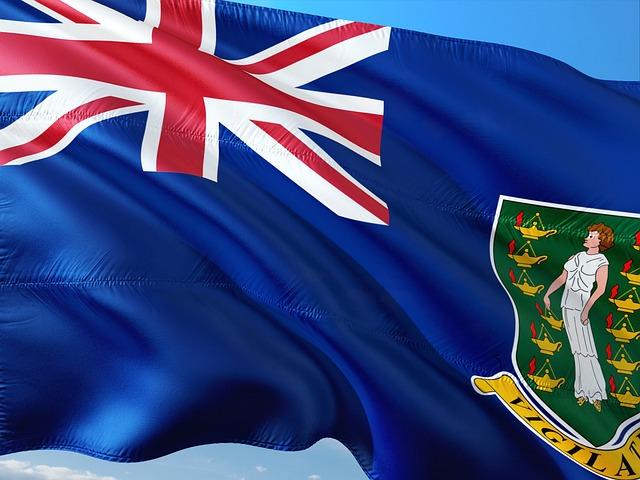
In a significant escalation of tensions between local governance and British oversight, residents of the British Virgin Islands gathered in large numbers to voice their opposition to a proposed plan for direct rule from the United Kingdom. As outlined by the UK government, the proposal seeks to impose greater control in response to allegations of corruption and mismanagement within the territory’s local administration. Protesters, donning banners and chanting slogans, gathered outside government buildings to express their discontent, arguing that such actions undermine their autonomy and colonial legacy. This development raises important questions about the future of self-governance in the British Virgin Islands and the delicate balance of power between the territory and its colonial ruler.
Protesters Rally Against UK Direct Rule Plan Amidst Calls for Autonomy
In a powerful display of dissent, hundreds of individuals gathered at the central square of Road Town, expressing their strong opposition to the proposed UK direct rule plan. Protesters waved placards emblazoned with slogans like “Our Future, Our Choice!” and “No to Colonialism!”, symbolizing a collective desire to maintain self-governance. The rally, which brought together residents from various sectors of society, underscored the deep-rooted concerns regarding the implications of direct rule on local autonomy and decision-making. Speakers at the event articulated fears that such a shift would undermine years of progress in democracy and self-determination for the British Virgin Islands (BVI) residents.
Voices of discontent echoed as several community leaders addressed the crowd, emphasizing the importance of local governance and the need for genuine dialogue with the UK government. Reports indicate that participants are not just protesting the direct rule proposal, but also advocating for a renewed emphasis on autonomy and self-governance that reflects the unique identity and needs of the BVI populace. Key demands from the protesters include:
- Commitment to self-governance – Ensuring that local voices are prioritized in decision-making.
- Transparency in governance – Calling for open conversations between the UK and BVI officials.
- Protection of local rights – Safeguarding the rights of residents and their cultural identity.
Concerns Rise Over Impact of Direct Governance on Local Democracy
The move towards direct governance in the British Virgin Islands has sparked significant unrest among residents who fear for their democratic rights. Protesters argue that this shift undermines the autonomy that the territory has enjoyed. Many local leaders express concerns that direct rule from the United Kingdom could diminish their power and reduce citizen engagement in political processes, leading to a disconnection between the government and the governed. The implications of such governance touch on crucial aspects of democratic representation and accountability, raising questions about the future political landscape of the islands.
Adding to the tension, critics have expressed skepticism regarding the motives behind the UK’s intervention. They assert that the plan may prioritize the interests of the British government over those of local citizens. Key points of contention include:
- Lack of Local Input: The absence of meaningful consultation with residents before implementing such significant changes.
- Potential Erosion of Trust: A fear that direct governance may alienate the community and lead to widespread discontent.
- Long-term Consequences: Concerns that this situation could set a precedent for further encroachments on self-governance.
Recommendations for a Collaborative Governance Framework to Address Tensions
In light of the ongoing tensions in the British Virgin Islands regarding the proposed direct rule by the UK, it is crucial to establish a collaborative governance framework that emphasizes inclusivity and local input. This framework should prioritize active engagement with civil society, stakeholders, and local leaders to ensure that the voices of the BVI community are heard and respected. To facilitate this, the following elements are essential:
- Regular Consultation Sessions: Implement bi-monthly forums that allow residents to express their concerns and suggestions directly to governance representatives.
- Joint Decision-Making Committees: Form committees that include both UK officials and local stakeholders to oversee the implementation of policies.
- Transparency Initiatives: Develop accessible measures to share information regarding governance decisions, fostering trust within the community.
- Capacity-Building Programs: Invest in training for local leaders to enhance their ability to participate effectively in governance matters.
Additionally, it is imperative to adopt a long-term vision that focuses on self-determination and regional development while addressing immediate governance concerns. A possible approach could be a phased transition plan towards greater autonomy for the BVI, supported by UK resources if needed. To ensure a well-balanced governance model, leveraging local insights while maintaining open lines of communication with UK authorities is vital. The proposed action items outlined in the table below illustrate specific strategies that can be developed and implemented:
| Action Item | Responsibility | Timeline |
|---|---|---|
| Establish Consultation Sessions | Local Government | Ongoing |
| Create Joint Committees | UK and Local Representatives | 3 Months |
| Launch Transparency Portal | Local Government IT Team | 6 Months |
| Implement Training Workshops | Community Development Departments | Annual |
Future Outlook
In conclusion, the ongoing protests in the British Virgin Islands reflect a deep-seated dissatisfaction among residents regarding the proposal for direct rule from the UK government. Demonstrators have articulated concerns over their diminishing autonomy and the potential repercussions for local governance. As tensions rise and communities demand a greater say in their political future, the outcome of this situation remains uncertain. The British Virgin Islands’ pushback against external control underscores a broader narrative of self-determination that resonates throughout the region. As developments unfold, it will be crucial to monitor how both local leaders and the UK government respond to the call for a more collaborative approach, one that respects the voices and rights of the people of the British Virgin Islands.

