

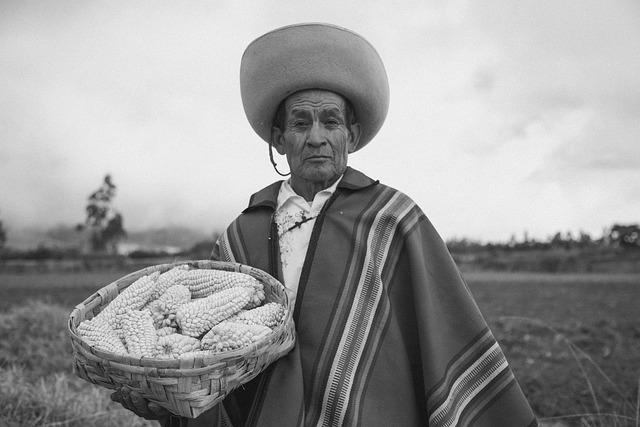
As the U.S. government contemplates the implications of seabed mining in Alaskan waters, Indigenous communities are voicing increasing concern over potential environmental and cultural impacts. A recent proposal by a federal agency to allow mining operations in these sensitive marine habitats has sparked a robust dialogue about sovereignty, resource management, and the future of traditional ways of life. With Alaska’s rich biodiversity at stake, Indigenous leaders are advocating for their rights and calling for a thorough review of the environmental consequences that such industrial activities could bring. As discussions unfold, the intersection of Indigenous rights and federal environmental policy continues to be a focal point in this contentious debate.
Indigenous Communities Demand Inclusion in Seabed Mining Decisions in Alaskan Waters
In a decisive move toward environmental stewardship and social equity, Indigenous communities are raising their voices against seabed mining operations slated for Alaskan waters. These communities, whose ancestral lands and waterways could be profoundly affected by proposed mining activities, assert their right to be included in the decision-making process. They emphasize that many of these underwater ecosystems hold not only crucial natural resources but also cultural and spiritual significance. Concerns over potential environmental degradation, threats to marine life, and impacts on traditional fishing practices are at the forefront of their demands for meaningful consultation and participation.
Critics argue that past governmental oversight has often overlooked the insights and experiences of Indigenous populations, leading to decisions that neglect the long-term health of local ecosystems. To ensure a more inclusive approach, advocates are calling for the establishment of formal dialogues with the U.S. regulatory agencies. Key points in their agenda include:
- Transparency in the environmental impact assessment processes.
- Guardianship over sacred marine resources.
- Recognition of fishing rights and customary practices.
- Collaboration with Indigenous knowledge holders in scientific research.
As these discussions unfold, the potential ramifications of seabed mining extend beyond immediate economic interests, tapping into deeper issues of environmental justice and Indigenous sovereignty. Stakeholders are urged to consider the haunting legacy of resource extraction in Indigenous homelands, calling for a reconsideration of the balance between development and ecological preservation.
Environmental Risks Raise Alarms as U.S. Agency Evaluates Seabed Mining Impact
As the U.S. agency responsible for overseeing oceanic resources weighs the potential ramifications of seabed mining in Alaskan waters, indigenous communities are voicing significant concerns regarding the environmental repercussions. Local tribes, steeped in a deep connection to their ancestral lands and waters, worry that the proposed drilling and extraction processes could disrupt vital ecosystems integral to their way of life. Community leaders articulate their fears about how these activities might lead to deterioration of biodiversity and disrupt fish populations that are essential for both sustenance and cultural practices.
Additionally, the potential for increased pollution and habitat destruction has raised alarm bells among environmental advocates. Key issues include:
- Water Quality: Risks of toxic runoff affecting local fisheries.
- Species Displacement: Harm to marine life due to mining operations disrupting their habitats.
- Cultural Heritage: Loss of sites that hold cultural significance to indigenous peoples.
The stakes are high as the agency prepares to analyze extensive data on the ecological impact of mining, with many urging a cautious approach that prioritizes environmental preservation and respects indigenous rights.
Recommendations for Sustainable Practices and Respect for Indigenous Rights in Mining Proposals
To ensure that mining proposals are both sustainable and respectful of Indigenous rights, it is essential to adopt a series of proactive measures. First and foremost, stakeholder engagement should be prioritized. This involves establishing ongoing communication with Indigenous communities that may be affected by proposed mining activities, ensuring their voices are not only heard but integrated into decision-making processes. Regular consultations should be scheduled, allowing for meaningful participation and feedback from these communities. Additionally, companies should commit to conducting impact assessments that take into account not just environmental ramifications, but also cultural and social implications on Indigenous territories.
Moreover, mining operations should employ best practices that focus on sustainability and community well-being. This includes implementing eco-friendly technologies to minimize pollution and environmental degradation. Creating a framework that promotes job opportunities and training programs for local Indigenous populations can also foster community development while ensuring economic benefits from mining activities are shared equitably. Furthermore, transparency in operations, including public reporting of environmental performance and compliance, will build trust and demonstrate accountability to Indigenous stakeholders and the broader public.
The Conclusion
As the U.S. agency weighs the implications of seabed mining in Alaskan waters, the voices of Indigenous communities are rising to the forefront, underscoring the profound cultural and environmental stakes at play. With potential disruptions to traditional fishing grounds and sacred sites, these communities are advocating for a more cautious and inclusive approach to resource management. The ongoing discussions underscore a critical intersection between economic interests and the rights of Indigenous peoples, marking a pivotal moment in the broader conversation about sustainable development and environmental stewardship. As this story unfolds, it will be essential for policymakers to closely consider Indigenous perspectives, ensuring that any decisions reflect a commitment to both environmental justice and the preservation of cultural heritage. The outcome of this deliberation will undoubtedly have lasting ramifications, not only for the ecosystems of Alaska but also for the rights and livelihoods of those who have called this land home for generations.

