

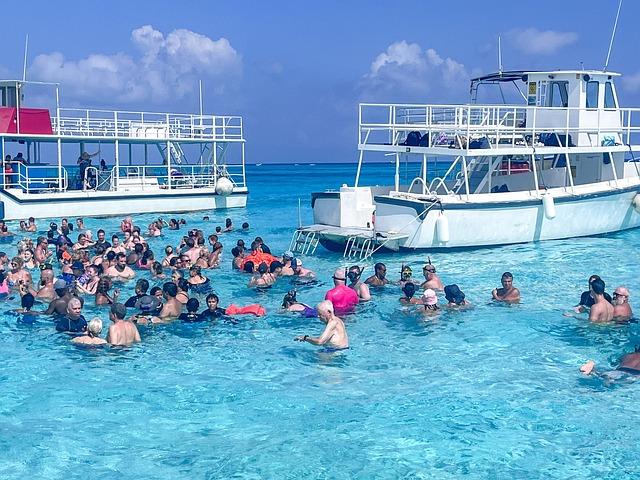
The Cayman Islands is set to enhance its connectivity with Europe and Latin America as local authorities actively seek to establish more direct nonstop flights to the region. This initiative aims to bolster tourism and streamline travel for business and leisure travelers alike, positioning the islands as a more accessible destination in the Caribbean. With the support of CAPA – Centre for Aviation and insights from Routesonline, stakeholders are exploring new airline partnerships and routes that could significantly reduce travel time and increase visitor numbers. As the demand for seamless travel grows, the Cayman Islands’ ambition for expanded air service could reinvigorate its economy and strengthen its international profile.
Cayman Islands Aims to Enhance Connectivity with Nonstop Flights from Europe and Latin America
The Cayman Islands government is actively pursuing the establishment of new nonstop flight routes from Europe and Latin America, aiming to bolster tourism and enhance economic ties. This strategic initiative is designed to facilitate easier access to the islands’ stunning beaches and vibrant culture, thus opening new avenues for international travelers. Enhancing the travel experience is critical not only for tourists but also for the local economy, as increased connectivity could lead to a significant rise in visitors. Key markets under consideration include major European hubs and bustling Latin American cities that align with the islands’ tourism goals.
To support this initiative, the government’s tourism agencies are engaging with various airlines to discuss viable itineraries and potential partnerships. The focus is on developing key benefits such as:
- Increased travel options for tourists
- Improved trade and business relations
- Opportunities for direct marketing and promotions
Moreover, a recent assessment has highlighted potential new routes which could allow international travelers to bypass lengthy layovers. Below is a brief overview of targeted cities anticipated for nonstop connections:
| City | Country | Potential Airlines |
|---|---|---|
| London | United Kingdom | British Airways, Virgin Atlantic |
| Madrid | Spain | Iberia, Air Europa |
| Sao Paulo | Brazil | LATAM Airlines, GOL |
| Buenos Aires | Argentina | Aerolineas Argentinas, Sky Airline |
Strategic Partnerships and Infrastructure Upgrades Essential for Expanding Air Travel Options
The Cayman Islands is actively seeking to bolster its connectivity by pursuing strategic partnerships with key airlines in Europe and Latin America. These alliances not only aim to enhance the frequency of direct nonstop flights but also to tap into emerging markets that could significantly boost tourism and business travel to the islands. The government’s commitment to fostering these partnerships is reflected in its ongoing dialogue with airline executives, highlighting the opportunity to create seamless travel experiences for international visitors.
To support this initiative, the government is focusing on necessary infrastructure upgrades that will accommodate increased air traffic. Investments are expected in areas such as:
- Airport facilities: Enhancements to terminals and security systems to streamline passenger processing.
- Runway expansions: Ensuring that the airports can handle larger aircraft and more flights.
- Ground transportation: Improving connectivity from airports to accommodations and attractions.
A well-planned infrastructure can serve as a catalyst for expanding the air travel options, ultimately allowing the Cayman Islands to compete more effectively on the global stage.
Tapping into Emerging Markets: Recommendations for Attracting European and Latin American Travelers
The Cayman Islands is strategically positioning itself to become a preferred destination for European and Latin American tourists as new nonstop flight routes emerge. To attract these travelers, stakeholders in the tourism sector should focus on enhancing the marketing appeal of the islands, highlighting their unique offerings. Key strategies include:
- Tailored Marketing Campaigns: Develop marketing materials that resonate with the cultural preferences and travel aspirations of European and Latin American audiences.
- Partnerships with Airlines: Collaborate with airlines to secure favorable airfare deals and promotional packages that can entice potential visitors.
- Localized Travel Packages: Create travel packages that include unique local experiences, such as culinary tours or eco-adventures, directly targeting these markets.
Additionally, understanding the travel behaviors and preferences of these regions can help foster a more attractive environment for tourists. Insights suggest that both European and Latin American travelers seek authentic experiences, and therefore, the Cayman Islands could benefit from:
- Community Engagement: Involve local communities in tourism initiatives to provide authentic experiences.
- Leisure and Adventure Offerings: Promote a variety of activities, from luxury relaxation to adventurous excursions, catering to diverse interests.
- Cultural Events: Host events that celebrate both local culture and the cultures of the target audiences to create a deeper connection.
| Market | Preferred Activities | Travel Season |
|---|---|---|
| Europe | Luxury Resorts, Historical Tours | Summer & Winter Holidays |
| Latin America | Adventure Sports, Eco-Tourism | Spring & Summer Breaks |
Future Outlook
In conclusion, the Cayman Islands’ initiative to secure more direct nonstop flights from Europe and Latin America marks a significant step toward bolstering its tourism industry and enhancing connectivity for both leisure and business travelers. As the region continues to recover from the impacts of the pandemic, these expanded air service options are poised to attract a new wave of visitors eager to experience the islands’ renowned hospitality, pristine beaches, and vibrant culture. With strong support from key stakeholders, including governmental authorities and airline partners, the Cayman Islands aims to position itself as a premier destination on the global stage. Industry observers will be keen to watch how these developments unfold, potentially reshaping the travel landscape in the Caribbean in the coming years.

