

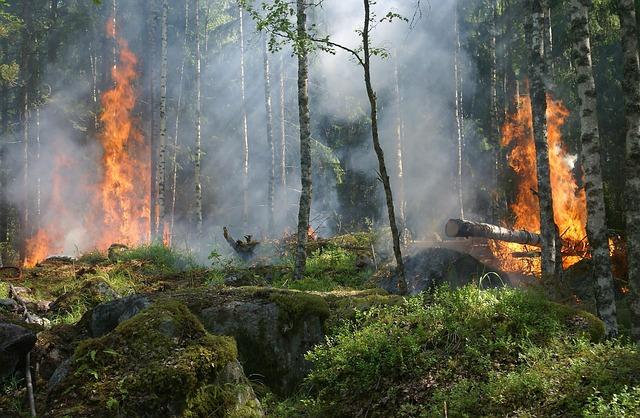
In a devastating turn of events, wildfires sweeping across Chile have resulted in significant loss of life, exacerbated by a severe heatwave gripping parts of South America. According to the World Meteorological Organization (WMO), the intense flames, fueled by soaring temperatures and prolonged drought conditions, have wreaked havoc on communities, ecosystems, and livelihoods. As the affected regions struggle to contain the blazes, local authorities are facing immense challenges, with calls for urgent intervention and support growing louder. This ongoing crisis highlights not only the immediate dangers posed by such natural disasters but also underscores the broader implications of climate change, as South America finds itself increasingly at risk from extreme weather events.
Wildfires Devastate Chile as Extreme Heatwave Fuels Catastrophic Conditions
Chile is currently grappling with a series of unprecedented wildfires that have swept through various regions, exacerbated by a relentless heatwave that has engulfed South America. The wildfires, fueled by extreme temperatures and prolonged drought conditions, have led to catastrophic repercussions. Thousands of hectares of critically important ecosystems have been devastated, leading to significant threats to both wildlife and local communities. As emergency services race to contain the blazes, the impact on the populace is stark, with many families facing displacement and uncertainty about their futures. Affected areas have seen a surge in health-related issues due to the toxic smoke and deteriorating air quality.
The World Meteorological Organization (WMO) has reported alarming statistics about the ongoing situation, highlighting the correlation between climate change and the intensity of these fires. Key observations include:
- Record Temperatures: Several regions in Chile have experienced temperatures exceeding 40°C (104°F).
- Drought Conditions: Chronic drought has persisted in many areas for over a year.
- Increased Fire Incidents: The number of wildfires reported has increased exponentially compared to previous years.
In light of these alarming developments, communities are urged to come together, while international agencies mobilize resources to provide assistance. A focused response is essential to mitigate further loss of life and to begin the arduous process of recovery.
World Meteorological Organization Highlights Climate Change Impact on South America
In recent weeks, South America has been thrust into the international spotlight due to devastating wildfires exacerbated by unprecedented heatwaves. The World Meteorological Organization (WMO) has reported that such extreme weather conditions not only threaten the rich biodiversity of the region but also pose significant risks to human life and livelihoods. The surge in temperatures, reaching record levels in several countries, has created a perfect storm for wildfire outbreaks, leading to catastrophic consequences:
- Loss of Habitat: Fires have ravaged forests and ecosystems, displacing countless species and disrupting the balance of nature.
- Human Cost: Reports indicate that thousands of residents have been forced to evacuate, with loss of life tragically increasing as the flames encroach on populated areas.
- Economic Impact: The agriculture sector faces crippling losses, as vital crops are destroyed, further impacting food security across South America.
The WMO emphasizes that these alarming trends are not isolated incidents but rather symptomatic of a larger climate change crisis affecting the globe. Data illustrated in the table below highlights the correlation between rising temperatures and the frequency of such wildfires in various countries within South America:
| Country | Average Temperature Increase (°C) | Wildfire Incidents (2023) |
|---|---|---|
| Chile | 3.5 | 120+ |
| Argentina | 2.7 | 75 |
| Brazil | 2.3 | 200+ |
As nations respond to this climate emergency, experts warn that immediate action is vital. Enhanced measures for fire prevention, ecosystem restoration, and international cooperation will be critical in addressing both the cause and effects of climate change across South America.
Experts Urge Immediate Action to Mitigate Future Wildfire Risks and Enhance Preparedness
With the devastating impact of recent wildfires in Chile, experts are sounding the alarm on the urgent need for comprehensive measures to address the escalating risks associated with such natural disasters. Climate change, marked by extreme heatwaves throughout South America, has significantly altered weather patterns, leading to prolonged dry spells that exacerbate wildfire threats. Authorities are being urged to prioritize the following actions:
- Enhanced Firefighting Resources: Investing in advanced firefighting technology and establishing more robust emergency response teams.
- Public Education Campaigns: Raising awareness about fire safety and prevention measures among communities vulnerable to wildfires.
- Strategic Land Management: Implementing policies to reduce fuel loads, including controlled burns and forest thinning.
- Climate Action Initiatives: Committing to policies that mitigate climate change impacts through sustainable environmental practices.
The growing frequency and intensity of wildfires have made it clear that preparation is essential to safeguard lives and property. Governments, NGOs, and local communities must collaborate effectively to create a cohesive strategy for wildfire management. A recent table highlighting the most affected regions in Chile by this year’s wildfires underscores the critical areas needing immediate focus:
| Region | Areas Affected | Estimated Damage (in $) |
|---|---|---|
| Biobío | Concepción, Los Angeles | 1.2 million |
| La Araucanía | Temuco, Villarrica | 900,000 |
| Maule | Talca, Curicó | 750,000 |
To Conclude
In conclusion, the devastating wildfires in Chile serve as a stark reminder of the escalating impact of climate change, particularly in regions facing extreme heatwaves. The World Meteorological Organization’s latest reports emphasize not only the immediate tragedy of loss of life and property but also underline the need for urgent action to mitigate these increasingly frequent climate-related disasters. As communities in Chile grapple with the aftermath of these catastrophic events, the world is called to reflect on the broader implications of such climate crises and the international cooperation required to address the root causes. With the stakes higher than ever, it is crucial for governments and organizations worldwide to prioritize resilience-building and sustainable practices to safeguard lives and ecosystems in the future. The time for decisive action is now.

