

The US-Cuba Embargo Beyond the Cold War – History Today
As the world marks the decades since the Cold War’s conclusion, the enduring embargo between the United States and Cuba remains one of the most contentious relics of that era. Implemented in 1960 as a response to Fidel Castro’s revolutionary government and subsequent nationalization of American businesses, the embargo was initially framed as a means to curb the spread of communism. However, as history has unfolded, the implications of this policy have extended far beyond the geopolitical tensions of the 20th century. Today, it stands as a complex legacy interwoven with economic hardships, humanitarian concerns, and evolving diplomatic relationships. In this article, we will explore the multifaceted history of the US-Cuba embargo, examining its origins, the shifts in policy over the years, and the current landscape as both nations navigate a future shaped by newfound dialogues and persistent challenges. As calls for reform grow louder, understanding the historical context of this prolonged standoff is crucial to grasping the potential pathways forward.
The Enduring Legacy of the US-Cuba Embargo in Modern Diplomacy
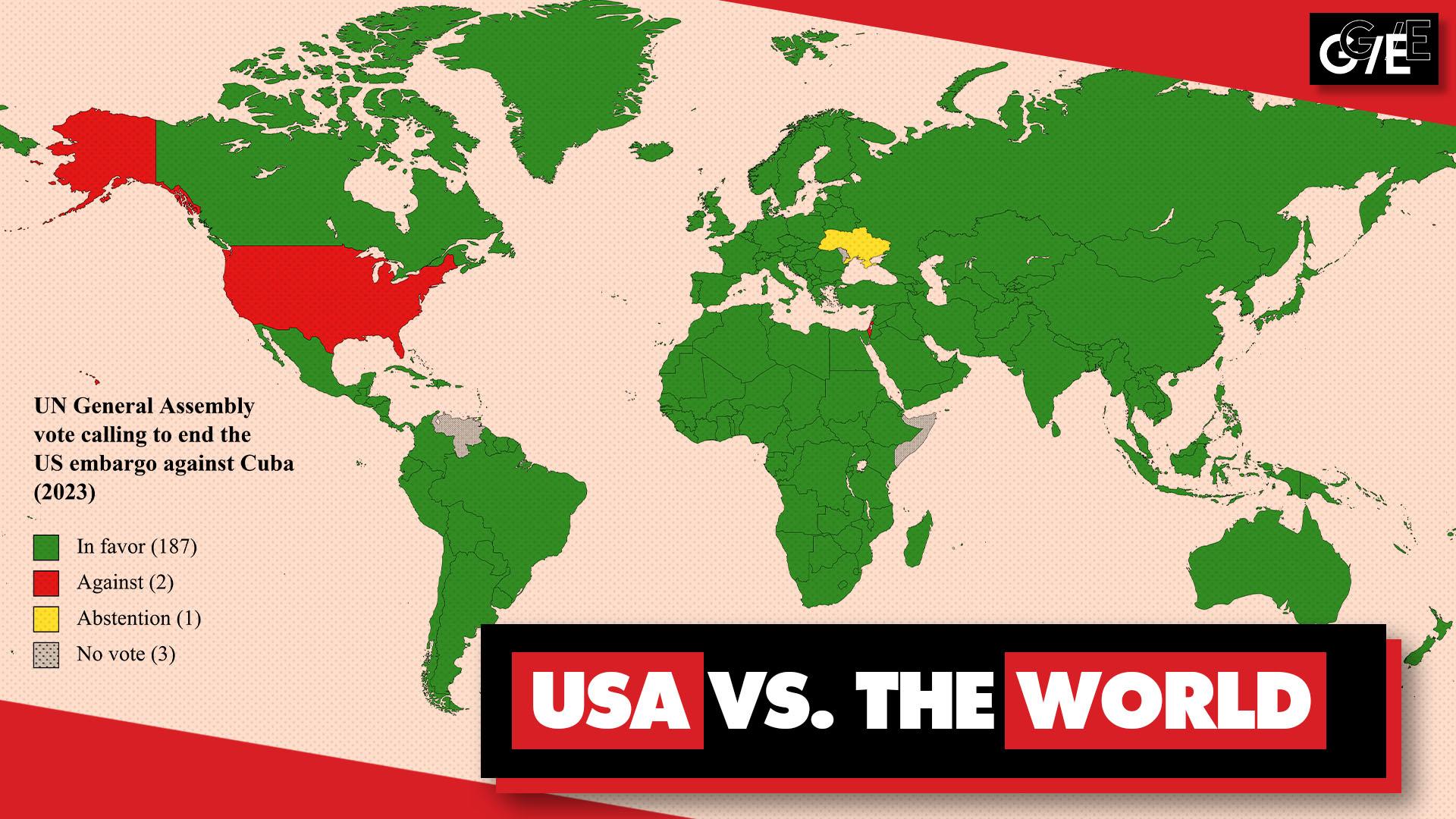
The legacy of the US-Cuba embargo continues to shape diplomatic relations well into the 21st century, serving as a potent symbol of resistance and an arena for ideological combat. Following the Cold War, the embargo shift prompted discussions around human rights, sovereignty, and economic independence. The ongoing restrictions have prompted various responses from international stakeholders, including:
- Renewed Calls for Normalization: Many countries advocate for improved relations with Cuba, emphasizing the need for dialogue and engagement over isolation.
- Economic Interests: As global markets evolve, several nations express interest in entering the Cuban market, pressing for a reevaluation of US policy.
- Humanitarian Concerns: Critics point to the impact of the embargo on ordinary Cuban citizens, arguing for a nuanced approach that addresses human rights without punitive measures.
Furthermore, the complexities surrounding the embargo have triggered debates within the United States as well. Discourse often centers on whether to maintain, modify, or lift the embargo in light of changing geopolitical landscapes. Key players in this evolving narrative include:
| Stakeholder | Position on Embargo |
|---|---|
| US Government | Maintains embargo, citing national security concerns |
| Cuban Government | Calls for repeal, framing it as an obstacle to development |
| Latin American Leaders | Support lifting, promoting regional stability |
| Human Rights Advocates | Seek a balance between pressure and engagement |
Examining Economic Impacts: How the Embargo Affects Everyday Life in Cuba
The ongoing embargo imposed by the United States has created a ripple effect throughout the Cuban economy, significantly shaping the daily lives of its citizens. As they navigate a landscape marked by scarcity, many Cubans experience limitations in essential resources, including food, medical supplies, and electronics. Although some products are available through state-run stores, their prices are often prohibitively high for the average citizen, forcing individuals to resort to alternative methods for sustenance and health care. This multi-faceted challenge has forced many Cubans to adapt, relying heavily on community networks and informal markets to obtain necessary goods.
The economic constraints underpinning the embargo have also influenced the overall quality of life in Cuba, leading to a decline in educational and health care services. Schools struggle with outdated materials and insufficient funding, while hospitals face challenges in acquiring vital medical equipment and medications. The implications extend beyond mere access to goods and services; they affect Cuba’s potential for growth and innovation. Some notable impacts include:
- Increased reliance on informal economies: Bartering and private initiatives have become essential for survival.
- Limited access to technology: Cubans often face outdated technology, hindering connectivity and information flow.
- Healthcare shortages: Many medical professionals confront difficulties sourcing basic tools and medications.
| Asset | Status | Impact on Daily Life |
|---|---|---|
| Food Security | Critical | Malnutrition rates rising |
| Health Services | Underfunded | Longer wait times for treatments |
| Technology | Obsolete | Limited job opportunities in tech sectors |
Reimagining Relations: Strategies for Future Engagement Between the US and Cuba
In the wake of evolving global dynamics, there is a pressing need to explore innovative avenues for strengthening the engagement between the United States and Cuba. Emphasizing diplomatic channels could lay the groundwork for a more constructive relationship. Both nations could benefit from expanded trade partnerships which not only enhance economic cooperation but also foster cultural exchange that bridges gaps between the two societies. Strategic dialogues focusing on areas such as healthcare, education, and environmental sustainability may promote mutual interests and showcase examples of successful collaboration.
Another avenue for reimagining relations includes leveraging technology and communication to facilitate grassroots exchanges. By encouraging people-to-people interactions, such as cultural festivals and academic partnerships, both countries can cultivate a more profound understanding of each other’s histories and traditions. Additionally, addressing common challenges, like climate change and public health crises, could make joint initiatives a priority. Engaging stakeholders from various sectors-including business leaders, non-profits, and youth organizations-can lead to transformative ideas that transcend traditional political barriers.
In Retrospect
In conclusion, the US-Cuba embargo, once a tool of Cold War geopolitics, continues to evolve as a complex symbol of diplomatic tension and ideological divergence. As both nations navigate a changing world, the legacy of this longstanding policy remains palpable, influencing not only bilateral relations but also regional dynamics in Latin America and beyond. Understanding the multifaceted implications of the embargo is crucial for policymakers and historians alike, as the effects are felt not just in Havana and Washington, but across generations. As discussions surrounding normalization and the potential for a thaw in relations resurface, the lessons of the past serve as a poignant reminder of the enduring challenges and opportunities that lie ahead. The future of US-Cuba relations may still be uncertain, but the history of the embargo is a testament to the complexities of reconciliation in the shadow of ideological divisions.

