

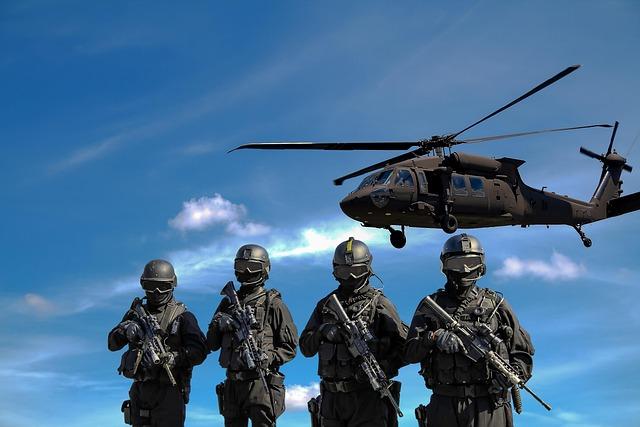
As tensions ripple through the geopolitical landscape, the question of whether the United States will take military action against Cuba has resurfaced in political and military circles. This inquiry is fueled by decades of complex U.S.-Cuba relations marked by ideological clashes, economic sanctions, and historic confrontations. Amid changing leadership in both nations and ongoing debates over human rights, economic instability, and regional security, the specter of military intervention looms over Washington’s discussions. In this article, we explore the current dynamics at play, analyzing the strategic considerations that might lead the U.S. to consider military action against its island neighbor and the broader implications such a decision would entail for both American and global security. As the situation evolves, understanding the motivations, risks, and stakes involved is more critical than ever.
Potential Triggers for U.S. Military Action in Cuba
In the complex geopolitical landscape of Latin America, several factors could prompt the U.S. to consider military action against Cuba. Among these, the escalation of human rights abuses within Cuba is a significant concern. Increased reports of political dissent crackdown, enforced disappearances, and arbitrary detentions often draw international scrutiny, leading to calls for intervention. Additionally, any potential alliance between Cuba and recognized adversaries, notably Russia or China, could be perceived as a direct threat to U.S. interests in the region, amplifying the likelihood of preemptive military measures.
Furthermore, a sudden collapse of the Cuban government could also act as a catalyst for U.S. military involvement. Such an event might be characterized by civil unrest or an influx of refugees fleeing instability, potentially stirring humanitarian responses from Washington. The U.S. might also intervene to safeguard vital naval routes or protect American citizens residing in Cuba. Essential triggers for heightened military engagement could include:
- Increased military cooperation between Cuba and hostile nations
- Large-scale protests or violent uprisings against the Cuban government
- Threat to U.S. assets or personnel in the region
- Humanitarian crises leading to mass migration
Strategic Implications for American Foreign Policy
The prospect of military action against Cuba carries profound implications for U.S. foreign policy, reverberating beyond the Caribbean to global geopolitical stability. The decision to engage militarily must be weighed against international legal norms and the potential for escalating tensions with other nations, particularly Russia and China, who maintain strong ties with the Cuban government. Any military action could lead to:
- Increased regional instability: A military intervention could destabilize not only Cuba but also neighboring countries, prompting a humanitarian crisis.
- Shift in alliances: Nations within Latin America may re-evaluate their diplomatic relations with the U.S., potentially leading to a resurgence of anti-American sentiment.
- Global diplomatic fallout: The United Nations and other international bodies may criticize U.S. actions, resulting in broader diplomatic isolation.
Additionally, the U.S. must consider the economic repercussions of military involvement. Sanctions have already strained Cuba’s economy; military action could exacerbate this situation, prompting the need for increased humanitarian aid. In terms of strategic interests, the costs associated with military operations-both financial and human-must be considered against potential gains. Factors to deliberate include:
- Resource allocation: Military actions require significant resources that could be redirected toward other pressing national interests.
- Domestic political ramifications: Military engagement may face opposition from U.S. citizens and lawmakers, complicating the administration’s agenda.
- Long-term regional policy: The U.S. may need to rethink its approach to Latin America entirely if military solutions are pursued.
Diplomatic Solutions to Avert Military Escalation
As tensions rise between the U.S. and Cuba, it is crucial to explore diplomatic avenues that could prevent a military confrontation. The prospect of military action often leads to unintended consequences, not only for the nations involved but also for regional stability. Engaging in dialogue can pave the way for a peaceful resolution of conflicts through various channels, such as:
- Bilateral Negotiations: Direct talks between U.S. and Cuban officials to address concerns and grievances.
- International Mediation: Involving neutral third-party countries or organizations to facilitate discussions.
- Trade Agreements: Promoting economic cooperation to build mutual interests.
- Public Diplomacy: Utilizing media and cultural exchanges to foster a better understanding between citizens.
Recognizing Cuba’s historical ties with allies such as Venezuela and Russia, it is imperative for the U.S. to adopt strategies that emphasize collaboration over confrontation. Establishing a framework for ongoing communication can help mitigate misunderstandings and potential flashpoints. Below is a simplified comparison of potential diplomatic measures and their implications:
| Diplomatic Measure | Potential Benefits | Challenges |
|---|---|---|
| Bilateral Talks | Direct engagement and resolution. | Possible resistance from hardliners on both sides. |
| Trade Agreements | Economic incentives fostering peace. | Domestic opposition and economic sanctions impact. |
| International Mediation | Neutral perspective could bridge gaps. | Acceptance of third-party involvement may be limited. |
Closing Remarks
In conclusion, the possibility of U.S. military action against Cuba remains a contentious issue, steeped in historical tensions and modern geopolitical considerations. As both nations navigate the complexities of diplomacy and national security, the stakes are high for regional stability and international relations. U.S. policymakers must weigh the potential consequences of military intervention against the need for constructive engagement. The path forward is fraught with uncertainty, but the importance of dialogue and understanding cannot be overstated. As the situation develops, close attention will be necessary to assess how future decisions will impact not only Cuba and the U.S. but the broader Latin American landscape. The world watches closely as these two nations continue to negotiate the delicate balance of power and diplomacy.

