

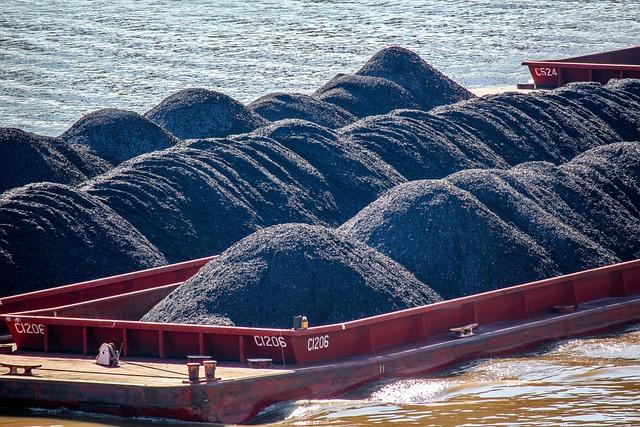
In a significant enforcement action against illicit trade, U.S. authorities have seized approximately $3 million worth of fuel shipments destined for Cuba, highlighting the ongoing crackdown on violations of American sanctions. The operation, which underscores the Biden administration’s commitment to curbing commercial engagements that could bolster the Cuban government, comes amid heightened tensions in U.S.-Cuba relations. As the global geopolitical landscape shifts, this latest seizure serves as a stark reminder of the persistent and complex challenges surrounding sanctions enforcement and international trade dynamics. The move has raised questions about the implications for fuel supplies to the island nation and the broader impact on its economy.
US Intensifies Enforcement Against Fuel Shipments to Cuba Amid Ongoing Sanctions
The recent seizure of $3 million worth of fuel shipments destined for Cuba marks a significant escalation in the U.S. government’s enforcement efforts as part of its long-standing sanctions policy against the island nation. The U.S. Customs and Border Protection (CBP) agency stated that the intercepted fuel was part of a shipment believed to violate multiple sanction regulations targeting the Cuban regime. As relations between the two nations remain strained, these coercive measures aim to cripple Cuba’s economy and curb its ability to acquire essential resources necessary for sustaining its infrastructure and industry.
This intensified enforcement not only halts the flow of fuel to Cuba but also sends a message to international shipping companies about the potential repercussions of violating U.S. sanctions. Ships found to be transporting oil or other supplies to Cuba may face serious legal challenges, including heavy fines and asset seizures. To illustrate the impact of these actions, the table below highlights the key elements involved in the most recent crackdown:
| Key Details | Information |
|---|---|
| Seized Amount | $3 million |
| Primary Agency Involved | U.S. Customs and Border Protection |
| Sanction Types | Economic, Trade |
| Targeted Entity | Government of Cuba |
Implications for Cuba’s Energy Crisis and Regional Relations
The recent seizure of $3 million in fuel shipments destined for Cuba marks a significant escalation in U.S. sanctions aimed at tightening the economic stranglehold on the island nation. As Cuba grapples with its ongoing energy crisis-characterized by widespread blackouts and fuel shortages-the implications of this crackdown extend beyond economic hardship, affecting regional relations as well. The Cuban government, already struggling to secure reliable sources of energy, will likely seek to bolster alliances with other nations, particularly those who may counter U.S. influence. This could lead to greater partnerships with countries such as Venezuela and Russia, which have historically supported Cuba with oil and financial aid.
In light of these developments, the ripple effects on regional politics could be profound. As Cuba turns to alternative energy sources and seeks new alliances, neighboring countries may feel pressured to reassess their own energy agreements and trade relationships, particularly those tied to U.S. policies. Key factors to consider include:
- Increased dependency on allies: Cuba may rely on countries that oppose U.S. sanctions, which could shift the geopolitical balance in the region.
- Impact on local economies: As Cuba finds it increasingly difficult to stabilize its economy, neighboring nations might face spillover effects through trade routes and shared resources.
- Regional stability: Heightened tensions between Cuba, the U.S., and their regional partners may complicate diplomatic efforts and exacerbate existing conflicts.
Expert Analysis and Recommendations for Future Policy Directions
The recent seizure of $3 million in fuel shipments to Cuba underscores the intensifying measures the U.S. is taking to restrict economic support for the Cuban government, further complicating diplomatic relations between the two nations. Analysts highlight that while economic sanctions are aimed at curbing the Cuban regime’s influence and activities, they may also exacerbate the humanitarian situation for ordinary Cuban citizens. It is essential for policymakers to consider the broader implications of such sanctions and explore avenues to minimize collateral damage on the population. Experts recommend the adoption of more targeted sanctions that focus specifically on government officials and entities while allowing for humanitarian aid to reach those in need. Potential policy directions include:
- Increased engagement with international partners to coordinate a multilateral approach to sanctions.
- Incorporating provisions for humanitarian assistance within existing sanctions frameworks.
- Establishing a monitoring mechanism to ensure that sanctions effectively target their intended goals without harming civilians.
Furthermore, the analysis suggests that a long-term strategy should involve reopening diplomatic channels to foster dialogue, which could lead to gradual changes within Cuba. By shifting from a purely punitive approach to one that encourages reform and accountability, the U.S. can enhance its influence on the ground. Experts also believe that promoting civil society initiatives through targeted funding can help build resilience among the Cuban populace. The following table illustrates potential areas for future policy focus:
| Policy Area | Objective |
|---|---|
| Humanitarian Aid | Ensure access to basic needs for civilians |
| Diplomatic Engagement | Encourage reformist factions within the government |
| International Coordination | Develop a cohesive sanctions strategy with allies |
Insights and Conclusions
As tensions between the United States and Cuba persist, the recent seizure of $3 million worth of fuel shipments destined for the island underscores the continued enforcement of U.S. sanctions. This operation, part of a broader crackdown on illicit shipments supporting the Cuban regime, reflects Washington’s ongoing commitment to apply economic pressure on the government in Havana. As enforcement measures intensify, the ramifications for Cuban citizens and the regional geopolitical landscape remain uncertain. The U.S. government has signaled that similar actions may continue as part of its strategy to promote democratic reform in Cuba. As developments unfold, stakeholders will be closely monitoring how these actions influence not only U.S.-Cuba relations but also the island’s domestic stability and international alliances.

