

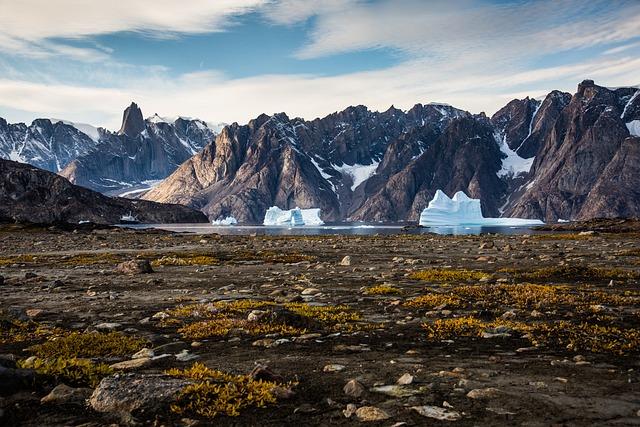
In a bold assertion that underscores the ongoing geopolitical tensions in the Arctic region, former President Donald Trump has advocated for the United States to take ownership of Greenland. His comments highlight a concern over potential territorial ambitions from Russia and China, countries that have been increasingly active in the geopolitics of the Far North. During a recent interview, Trump emphasized the strategic importance of Greenland, suggesting that U.S. control would enhance national security and safeguard American interests against foreign encroachments. This statement, reminiscent of his earlier controversial proposal to buy the island, raises questions about America’s foreign policy direction and the complexities of Arctic sovereignty as global powers vie for dominance in this resource-rich area.
US Strategic Interests in Greenland Amid Growing Global Tensions
As the geopolitical landscape continues to evolve, Greenland emerges as a focal point of contention between global powers. The island, rich in natural resources and strategically located, offers significant advantages to any nation that asserts control over it. With Russia and China expressing increased interest in the Arctic region, concerns have been raised about potential dominance over vital shipping routes and resource extraction. The U.S. aims to secure its interests in Greenland to mitigate these threats, emphasizing the need for a robust presence to counteract influence from these rival nations.
Moreover, Greenland’s vast mineral resources, including rare earth elements, are becoming increasingly crucial in today’s tech-driven economy. Maintaining a foothold in this area not only aids in national security but also supports the U.S. economy in competing with China’s growing technological advancements. Key reasons for U.S. involvement include:
- Strategic Military Bases: Establishing bases in Greenland enhances the U.S. military’s operational reach in the Arctic.
- Resource Acquisition: Accessing Greenland’s untapped resources fortifies the U.S. supply chain against foreign dependency.
- Regional Influence: Strengthening ties with local governments can bolster alliances and counter adversarial moves in the Arctic.
In navigating these crucial interests, the U.S. may also need to consider collaborative strategies with Denmark, which maintains sovereignty over Greenland, to ensure stability in the region. This could pave the way for a cooperative approach in addressing mutual concerns while facilitating sustainable development in one of the world’s most pristine environments.
| Country | Strategic Interest | Pursuit Actions |
|---|---|---|
| United States | Military Presence | Building bases |
| Russia | Resource Extraction | Expanding Arctic fleet |
| China | Trade Routes | Investing in infrastructure |
Evaluating the Impact of Territorial Acquisition on National Security and Diplomacy
The strategic landscape surrounding territorial acquisition has been a cornerstone of national security discourse. The recent comments made by former President Trump regarding Greenland underscore the heightened urgency to evaluate how territorial claims can reshape security dynamics. Analysts argue that by claiming Greenland, the U.S. could solidify its presence in the Arctic, an area increasingly contested by global powers such as Russia and China. This development could potentially lead to a reversal of influence in the region and offer advantages such as:
- Access to Resources: The Arctic is rich in untapped resources, including oil and natural gas.
- Strategic Military Positioning: Control over Greenland would enhance U.S. military capabilities in a pivotal area.
- Geopolitical Stability: A U.S. claim could deter aggressive actions from adversaries in the region.
Moreover, the implications of territorial ownership extend beyond mere resource acquisition, intertwining with diplomatic relationships. The notion of “owning” Greenland raises questions about how such a move would resonate on the international stage and what diplomatic strategies the U.S. would employ to counter any backlash from Russia and China. Experts highlight the importance of a multilateral approach, advocating for diplomatic engagement with Arctic nations to mitigate tensions and foster cooperative policies. In this context, the following factors should be considered:
| Factor | Potential Impact |
|---|---|
| Military Posturing | Could lead to increased military presence, escalating regional tensions. |
| Resource Conflict | Competition over natural resources may intensify diplomatic rifts. |
| International Relations | Risk of alienating allies while provoking adversaries. |
In Retrospect
In conclusion, former President Donald Trump’s assertion that the United States should consider “owning” Greenland serves as a provocative reminder of the geopolitical tensions surrounding this strategically significant territory. As global power dynamics shift, the potential for increased influence by nations like Russia and China in the Arctic region has intensified discussions about territorial claims and national security. While the idea of U.S. ownership of Greenland may resonate with some, it raises questions about international diplomacy, indigenous rights, and the complexities of global alliances. As the conversation continues, the implications of such proposals will undoubtedly be scrutinized by policymakers, analysts, and citizens alike, reflecting the broader challenges of navigating modern geopolitics.

