

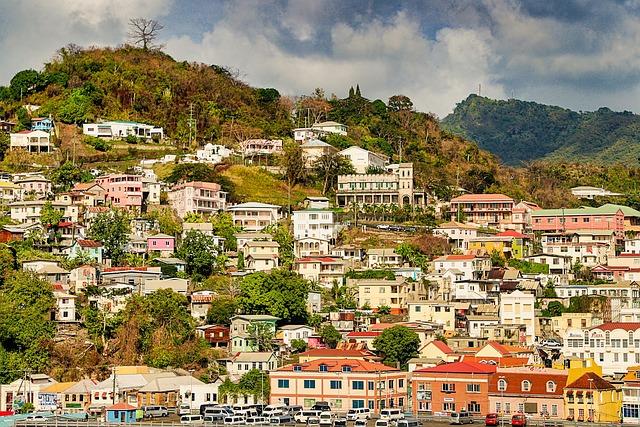
Remembering Grenada’s Impact on Black America
In the early morning of October 25, 1983, the Caribbean island nation of Grenada became the focal point of a geopolitical flashpoint that would resonate deeply within the African American community. The U.S. military intervention, dubbed Operation Urgent Fury, not only aimed to destabilize a Marxist regime but also ignited a complex discourse about sovereignty, colonial history, and the interconnectedness of struggles for freedom. As Grenadians commemorated the 40th anniversary of this pivotal moment, the broader implications of the intervention are revisited-how it shaped narratives around Black identity, solidarity, and activism in America. In this article, we explore the lasting impact of Grenada on Black America, reflecting on the cultural, political, and social reverberations that continue to influence the community today. Through personal anecdotes, expert analyses, and historical context, we shed light on how a small island nation became a symbol of resistance and hope for many in the African diaspora.
The Enduring Legacy of Grenada’s Revolution on Black Identity in America
The Grenadian Revolution of 1979, marked by its commitment to socialism and anti-imperialism, resonated profoundly within the African American community. This period offered a powerful symbol of resistance that spoke to the struggles against systemic oppression, not only in the Caribbean but also in the United States. Grenada’s leadership under Maurice Bishop inspired a sense of solidarity among Black Americans who identified their own battles for equality and justice with the island’s revolutionary spirit. The revolution led to discussions surrounding Pan-Africanism, self-determination, and the importance of a united front against colonial and neocolonial forces, fostering a renewed sense of identity among African Americans questioning their own position in a racially divided society.
The Grenadian example instigated grassroots movements across American cities, sparking increased activism that emphasized cultural pride and political engagement. Many African American organizations utilized Grenada’s struggle to formulate their agendas, focusing on issues such as economic empowerment, education, and community building. This cross-pollination of ideas extended to the arts, where music, literature, and visual arts began reflecting and celebrating the revolutionary experience. Today, the narrative of Grenada’s fight continues to inspire contemporary leaders and activists, nurturing a legacy of courage, resilience, and the ongoing quest for equality in the Black community.
Cultural Connections: How Grenada Shaped Black Activism and Solidarity
During the late 20th century, Grenada emerged as a powerful symbol of hope and resilience for the African diaspora, particularly amidst the civil rights movement in the United States. The Grenadian Revolution of 1979, led by the New Jewel Movement, escalated discussions surrounding socialism, self-governance, and the struggle against colonial influence in the Caribbean. This pivotal moment inspired many Black activists and intellectuals in America, who drew parallels between their fight for equality and Grenada’s quest for independence and social justice. The creation of a society where liberty and equality were paramount resonated deeply within the African American community, fostering a renewed spirit of activism and solidarity.
Moreover, the geopolitical implications of Grenada’s revolution drew attention to the interconnectedness of the Black experience across borders. Activists like Angela Davis and Stokely Carmichael openly expressed their support, emphasizing that the struggles faced by Grenadians were mirrored in the challenges faced by Black Americans. Key events such as the U.S. invasion of Grenada in 1983 highlighted the vulnerabilities of small nations in the face of global powers, prompting a closer examination of cultural solidarity and transnational activism. This era solidified platforms for collaboration, encouraging movements that transcended geographical boundaries and igniting conversations around Pan-Africanism and collective liberation.
Lessons from Grenada: Building a Future of Empowerment in Black Communities
The Grenada Revolution of 1979 serves as a critical touchstone for understanding the empowerment of Black communities in America. The bold restructuring of Grenada’s political landscape, led by Prime Minister Maurice Bishop, not only inspired a generation across the Caribbean but resonated deeply within the African diaspora in the United States. This grassroots movement ignited discussions about the necessity of self-determination, economic independence, and cultural pride. The lessons gleaned from Grenada emphasize the power found in community mobilization and political engagement, showcasing how collective action can radically transform the social fabric of Black communities through organized initiatives and educational programs.
Moreover, the experiences derived from the Grenadian model can guide contemporary strategies aimed at fostering empowerment. Key takeaways include:
- Community Leadership: Cultivating strong, visionary leaders who prioritize collective well-being over individual gain.
- Educational Reforms: Advocating for educational systems that reflect the cultural histories and contributions of Black communities.
- Economic Justice: Supporting local businesses and cooperative models that invest back into the community.
- Political Advocacy: Engaging in local and national politics to ensure representation and policy making that addresses the unique needs of Black populations.
The ongoing discussions surrounding these topics highlight the long-standing quest for equality, providing a framework for strategic development in Black communities and reaffirming the enduring legacy of Grenada’s revolutionary spirit.
Future Outlook
In conclusion, Grenada’s impact on Black America serves as a poignant reminder of the interconnectedness of global struggles for justice and liberation. As we reflect on the island nation’s historical significance, it becomes evident that its story resonates deeply within the fabric of Black identity in the United States. The reverberations of Grenada’s revolution, its fight against oppression, and its quest for sovereignty continue to inspire new generations to confront systemic injustices and advocate for equality. By honoring this pivotal moment in history, we not only pay tribute to those who fought bravely but also empower ourselves to carry forward the torch of resistance in our own communities. As discussions around Grenada and its legacy unfold, it is essential to remember that the fight for justice is a collective journey – one that transcends borders and unites the Black diaspora in pursuit of dignity, empowerment, and a brighter future.

