

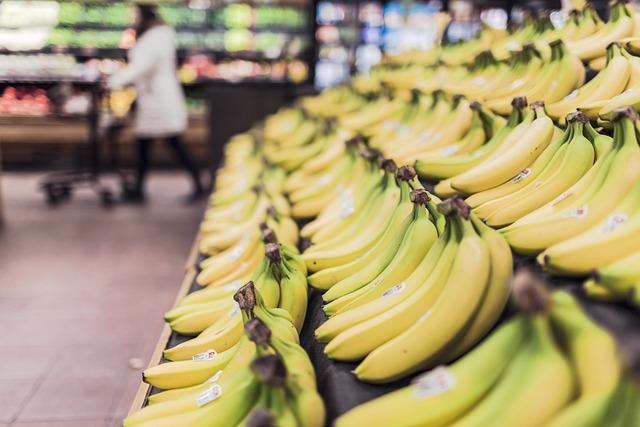
In the lush landscapes of the Caribbean, the islands of Guadeloupe and Martinique are pioneering a transformative approach to banana cultivation that not only prioritizes environmental sustainability but also boosts local economies. The “Sustainable Banana Plan,” a groundbreaking initiative aimed at reducing the ecological footprint of banana farming, has emerged as a noteworthy model for agricultural practices worldwide. By integrating innovative techniques and promoting biodiversity, this plan is not only enhancing the quality of the fruit produced but also ensuring the long-term viability of the banana industry in the region. As the global demand for sustainably sourced products continues to rise, Guadeloupe and Martinique are setting an example that could reshape how we view agriculture in the tropics and beyond. In this article, we delve into the intricacies of this ambitious project, explore its impact on local communities, and evaluate its potential as a blueprint for future agricultural sustainability efforts globally.
Innovative Agricultural Practices Driving Sustainability in Caribbean Banana Cultivation
In recent years, Guadeloupe and Martinique have emerged as exemplars of sustainable banana cultivation through the implementation of innovative agricultural practices. These practices aim to reduce the ecological footprint of banana farming while enhancing productivity and resilience against climate change. Key strategies include:
- Integrated Pest Management (IPM): By utilizing biological control methods and targeted pesticide application, farmers are minimizing chemical use, which not only protects the environment but also promotes biodiversity.
- Agroforestry Systems: Incorporating shade trees and companion crops into banana plantations helps to maintain soil health and improve water conservation, leading to better yields.
- Water Management Techniques: Adopting drip irrigation and rainwater harvesting systems ensures efficient water usage, crucial during periods of drought.
Moreover, collaboration between local agricultural stakeholders and research institutions has been pivotal in pushing the boundaries of sustainable practices. Farmers now have access to training programs that focus on eco-friendly techniques as well as financial incentives for adopting greener methods. A recent initiative has even established a certification program that recognizes and empowers those practicing sustainability, further promoting ethical consumption among consumers. The subsequent table illustrates the impact of these practices on banana crop yield and environmental health:
| Practice | Impact on Yield (% Increase) | Environmental Benefit |
|---|---|---|
| Integrated Pest Management | 15% | Reduces chemical input, enhances biodiversity |
| Agroforestry Systems | 20% | Improves soil health, increases carbon sequestration |
| Water Management Techniques | 10% | Conserves water, enhances drought resilience |
Community Engagement and Local Economies Thriving Through Sustainable Farming Initiatives
In Guadeloupe and Martinique, sustainable farming initiatives focused on banana cultivation have not only revitalized local economies but have also fostered a deeper sense of community engagement among farmers and consumers alike. By adopting eco-friendly practices, local banana producers are able to enhance crop yields while simultaneously reducing their environmental impact. This model has empowered farmers to embrace techniques such as organic farming, agroecology, and efficient water management, leading to a more resilient agricultural sector. As a result, farmers report increased profitability and improved quality of life, with many investing back into their communities.
This approach also promotes strong connections between producers and consumers through community-supported agriculture (CSA) programs. Such initiatives encourage local residents to support their farmers directly, building a robust local food system. Additionally, various workshops and events are held to educate the broader public on the benefits of sustainable agriculture, resulting in greater awareness and appreciation for locally sourced products. The ripple effect of this initiative can be summarized as follows:
- Job Creation: Sustainable practices lead to new employment opportunities.
- Food Security: Local production ensures a consistent supply of fresh bananas.
- Environmental Preservation: Reduced reliance on chemicals and enhanced biodiversity.
| Key Benefits | Impact on Community |
|---|---|
| Economic Growth | Increased local revenue streams |
| Healthier Ecosystems | Restoration of natural habitats |
| Stronger Community Bonds | Enhanced social networks and cooperation |
Future Directions for Sustainable Banana Production in Guadeloupe and Martinique
Looking ahead, the sustainable banana production model in Guadeloupe and Martinique is poised for significant advancements. Local farmers and cooperatives are exploring innovative practices to enhance productivity while minimizing environmental impact. Key focus areas include:
- Agroecology Techniques: Integrating diverse crops and utilizing natural pest management strategies.
- Water Conservation: Implementing efficient irrigation systems to reduce water consumption and combat climate change.
- Soil Health Initiatives: Adopting organic fertilizers and cover cropping to enrich soil biodiversity.
Additionally, collaborations between farmers, researchers, and governmental bodies are fostering knowledge exchange and technological advancements. To aid this transition, funding mechanisms and incentives are being structured to support sustainable practices. As part of this initiative, a proposed partnership could involve:
| Partner | Role | Expected Outcome |
|---|---|---|
| Local Cooperatives | Resource Sharing | Increased collective bargaining power |
| Research Institutions | Knowledge Transfer | Innovative farming techniques |
| Government | Policy Support | Incentives for sustainable practices |
Wrapping Up
In conclusion, the Sustainable Banana Plan implemented in Guadeloupe and Martinique stands as a noteworthy example of environmental stewardship and agricultural innovation. By aligning economic viability with ecological responsibility, this initiative not only addresses the pressing challenges of climate change but also promotes social equity within the region’s agricultural sector. As sustainable practices gain momentum worldwide, the success of this model serves as an inspiration for other tropical regions facing similar issues. The strides made in these French Caribbean islands illustrate that with collaborative efforts and a commitment to sustainability, it is possible to cultivate a prosperous future for both the banana industry and the environment. As the global community continues to seek solutions to food security and environmental degradation, the lessons learned from Guadeloupe and Martinique may provide a valuable framework for sustainable agriculture in the years to come.

