

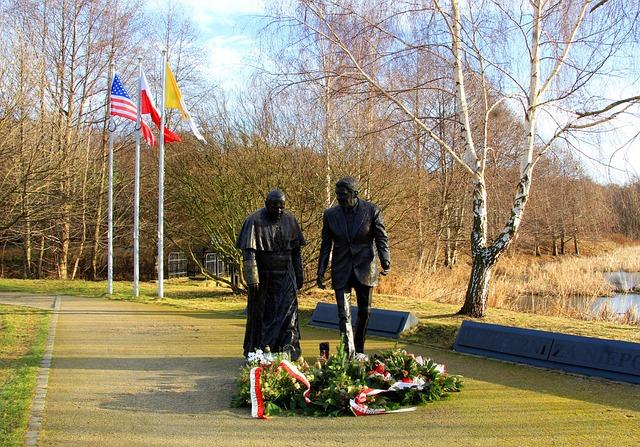
Newly released documents shed light on the significant rift between British Prime Minister Margaret Thatcher and U.S. President Ronald Reagan concerning the 1983 invasion of Grenada. Detailed in an article published by The New York Times in 2013, these revelations illustrate the deep-seated tensions that existed within the Anglo-American alliance during a pivotal moment in Cold War history. The documents reveal Thatcher’s concerns over the invasion, which she believed undermined international law and could destabilize the Caribbean region. As the U.S. sought to assert its influence in Grenada, Thatcher’s apprehensions prompted a reconsideration of the carefully curated partnership between the two nations. This article delves into the complexities of their relationship and the geopolitical ramifications of their differing perspectives on military intervention.
Thatcher and Reagan: Diverging Paths on Foreign Policy Strategies
Recent documents reveal a notable divergence in foreign policy strategies between British Prime Minister Margaret Thatcher and U.S. President Ronald Reagan during the 1983 invasion of Grenada. While both leaders shared a staunch anti-communism stance, their approaches to the invasion underscored significant differences in their geopolitical perspectives. Thatcher, though supportive of Reagan’s broader aims, expressed concern regarding the unilateral nature of the invasion. She feared it would undermine international cooperation and destabilize relationships with Caribbean nations. In private communications, Thatcher indicated a preference for a multilateral approach, emphasizing the importance of diplomatic dialogue over military intervention.
The invasion sparked a debate within the U.S.-UK alliance, highlighting Thatcher’s cautious approach contrasted with Reagan’s more aggressive strategy. Key points of contention included:
- Support for Democracy: While Thatcher advocated for democratic processes, Reagan prioritized immediate actions against perceived threats.
- Military Intervention: Thatcher questioned the necessity and potential repercussions of a military solution.
- International Law: Both leaders had differing views on the implications of acting without broader consensus from international bodies.
This rift showcased the complexities of the Cold War landscape, where alliances were tested by differing philosophies of governance and engagement in regional conflicts.
The Grenada Invasion: Examining the Impact on U.S.-UK Relations
The invasion of Grenada in 1983 marked a significant turning point in U.S.-UK relations, exposing underlying tensions between leaders Margaret Thatcher and Ronald Reagan. Documents released in 2013 reveal that Thatcher was blindsided by the U.S. decision to initiate military action, an operation she privately deemed ‘unilateral’ and ‘ill-conceived.’ This lack of coordination raised critical questions about the level of communication and mutual trust between the two allies, as Britain felt sidelined in what it considered an essential area of geopolitical concern.
The rift spurred by the invasion had broader implications, as it highlighted the complexities of transatlantic diplomacy during the Cold War. Key points of contention included:
- Diverging foreign policy perspectives: The U.S. and UK had differing views on interventionism and the perceived threats in the Caribbean region.
- Public backlash: Thatcher faced domestic criticism for her administration’s lack of involvement in the decision-making process regarding Grenada.
- Long-term effects: The incident led to a reevaluation of how military strategies would be coordinated in the future, emphasizing the need for stronger communication between NATO allies.
| Key Events | U.S. Stance | UK Reaction |
|---|---|---|
| U.S. Decision to Invade (October 25, 1983) | Support for intervention citing protection of American lives | Surprise and disapproval due to lack of consultation |
| Aftermath and Joint Statements | Emphasis on anti-communism efforts in the region | Call for collaborative security measures moving forward |
Lessons from the Rift: Navigating Alliances in Global Conflicts
The revelations from newly uncovered documents highlight the complexities of international relations, particularly during significant military interventions. The tensions between U.S. President Ronald Reagan and U.K. Prime Minister Margaret Thatcher over the 1983 invasion of Grenada underline the fragility of alliances in times of conflict. Thatcher expressed her dissent vehemently, citing concerns over sovereignty and the implications of unilateral U.S. actions. This rift accentuated the differing approaches of the two leaders, revealing how closely intertwined personal relationships and geopolitical strategies can be.
Key lessons from this episode emphasize the importance of diplomatic communication and joint decision-making among allies. Effective collaboration during international crises can avert misunderstandings that may lead to lasting damage in diplomatic ties. Some essential takeaways include:
- Joint Strategic Planning: Allies must engage in cooperative dialogue prior to military actions.
- Respect for National Sovereignty: Understanding and honoring the autonomy of nations involved is critical.
- Transparent Communication: Open lines of communication can prevent tensions from escalating into diplomatic rifts.
| Country | Position on Invasion | Impact on Relations |
|---|---|---|
| United States | Supportive | Strengthened military presence in the region |
| United Kingdom | Opposed | Strained diplomatic relations |
Future Outlook
In conclusion, the recently released documents illuminate the complexities of the Thatcher-Reagan relationship during a pivotal moment in Cold War history. The evidence of underlying tensions surrounding the U.S. decision to invade Grenada reveals not only a divergence in strategic priorities but also the fraught nature of allied diplomacy. As the world reflects on these historical interactions, it becomes clear that the implications of such rifts extend beyond their time, shaping the contours of international relations and alliances. The Grenada invasion, initially portrayed as a unified Western response to a perceived threat, now appears as a defining moment of discord between two of the 20th century’s most influential leaders. This newfound perspective prompts further inquiry into how personal and political dynamics can profoundly affect global policy decisions, reminding us that even allies can find themselves at odds when facing complex geopolitical landscapes.

