

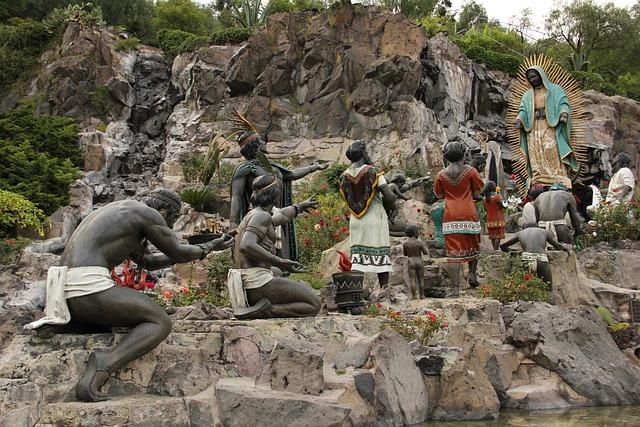
Understanding the Feast of Our Lady of Guadalupe: A Celebration of Faith and Culture
As millions of faithful gather around the world, the Feast of Our Lady of Guadalupe stands as a profound testament to the intertwining of religious devotion and cultural identity. Observed annually on December 12, this significant event honors the Virgin Mary’s apparition to Juan Diego in 1531, a pivotal moment in Mexican Catholic history that resonates deeply within and beyond the borders of Mexico. The feast not only serves as a spiritual renewal for many, but also highlights the rich tapestry of traditions, music, and communal gatherings that accompany the celebrations. As communities prepare to honor this cherished icon of faith, we delve into the origins, significance, and contemporary observances of the Feast of Our Lady of Guadalupe, shedding light on its enduring impact on believers and the broader cultural landscape.
Understanding the Historical Significance of Our Lady of Guadalupe
The feast of Our Lady of Guadalupe is not just a religious observance but a profound symbol of cultural identity and resilience for millions of people, particularly in Mexico and among the Mexican diaspora. The story of the Virgin’s apparition to the indigenous peasant Juan Diego in 1531 has transcended time, embodying the synthesis of Catholicism and indigenous beliefs that marked the post-Columbian era. The image of Our Lady of Guadalupe has become a national icon, representing hope, comfort, and protection. This cultural cornerstone is reflected in various artistic expressions, from murals to music, celebrating the deep-rooted connection between faith and heritage.
Historically, the significance of this feast day extends beyond religious observance, as it has played a crucial role in Mexican sociopolitical movements, serving as a unifying symbol during times of struggle. The Virgin Mary’s image has been invoked in movements advocating for civil rights, land reforms, and social justice, illustrating her role as a patroness of the marginalized and oppressed. Moreover, the celebration on December 12th gathers thousands of pilgrims each year, showcasing vibrant traditions such as mariachi music, dance, and food, strengthening community bonds and affirming a shared cultural identity. This unique blend of spirituality and cultural expression has solidified the feast’s position as a pivotal event in the calendar of Mexico and beyond.
Celebrating the Cultural Impact and Traditions Surrounding the Feast
The Feast of Our Lady of Guadalupe is a vibrant celebration that holds deep cultural significance across Mexico and among the Latinx community worldwide. Each year on December 12th, the devotion to the Virgin Mary as Our Lady of Guadalupe is showcased through a rich tapestry of traditions that unify generations and transcend borders. Participants engage in various festivities, including:
- Pilgrimages: Thousands travel to the Basilica of Our Lady of Guadalupe in Mexico City to pay homage.
- Masses: Special services are held to honor the Virgin, fostering a sense of community and spiritual connection.
- Cultural performances: Traditional music, dance, and plays depicting the apparition of Our Lady enhance the festive atmosphere.
- Food festivals: Attendees savor traditional foods, reinforcing cultural heritage through culinary delights.
This celebration transcends mere religious observance, serving as an embodiment of identity and resilience for millions. Its roots trace back to the miraculous apparition of the Virgin Mary to Juan Diego in 1531, a pivotal moment that catalyzed a blend of indigenous and Catholic traditions. The Feast illustrates the enduring legacy of this story through:
| Tradition | Description |
|---|---|
| Pilgrimage | Walking miles to the basilica symbolizes faith and devotion. |
| Altars | Families create beautiful altars in their homes, adorned with flowers and candles. |
| Processions | Communities gather for colorful processions, reinforcing a sense of unity and shared purpose. |
Engaging with the Spiritual Practices and Community Activities Related to the Feast
Each year, the Feast of Our Lady of Guadalupe draws vibrant crowds who come together to celebrate their faith and cultural heritage. This event is marked by a variety of spiritual practices, including traditional masses, rosary recitations, and processions that symbolize devotion to the Virgin Mary. Many participants engage in the preparation phase, often involving heartfelt prayers and personal reflections that deepen their connection to the miraculous appearance of Our Lady in 1531. The inviting nature of the festivities fosters a sense of community, uniting individuals from diverse backgrounds in shared worship and reverence.
Community activities add richness to the experience of the feast, encouraging participation from all age groups. Commonly organized events include:
- Cultural performances – showcasing traditional dances and music.
- Art exhibits – featuring local artisans and their interpretations of the Virgin Mary.
- Food fairs – where visitors can savor regional specialties celebratory of the occasion.
In many areas, parishes also host community service initiatives, allowing volunteers to give back through outreach efforts. These engagements not only enhance the celebratory spirit but also embody the teachings of love, compassion, and unity that the feast represents.
Insights and Conclusions
In conclusion, the Feast of Our Lady of Guadalupe stands as a powerful testament to faith, culture, and community. Celebrated annually on December 12, this significant occasion not only honors the miraculous apparition of the Virgin Mary to Juan Diego in 1531 but also highlights the enduring legacy of her message of hope and compassion. Across the globe, millions gather in churches and public squares, participating in vibrant traditions that reinforce their devotion and solidarity.
As the festivities draw near this year, communities are reminded of the values that Our Lady of Guadalupe symbolizes – love, unity, and resilience. For many, the feast transcends religious boundaries, fostering a spirit of inclusivity and reflection in an increasingly diverse world. Whether through solemn prayers, lively processions, or shared meals, the impact of this celebration can be felt far and wide.
As we observe this important day, let us take a moment to appreciate not only the rich history behind it but also the ways in which it continues to inspire and uplift individuals and families everywhere. The Feast of Our Lady of Guadalupe remains a beacon of light, reminding us of the power of faith in nurturing hope and community for generations to come.

