

Introduction
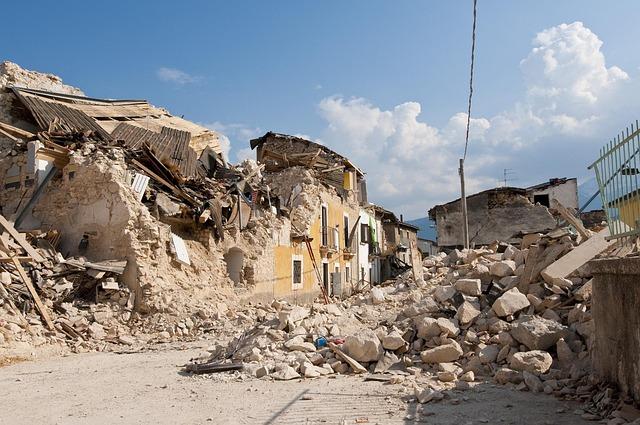
A powerful 7.3-magnitude earthquake struck off the coast of Central America, igniting immediate concerns of a potential tsunami that could impact coastal communities across the region. The earthquake, which occurred in the early hours of the morning, sent tremors felt as far away as neighboring countries. As local authorities and emergency services scramble to assess damage and ensure public safety, experts are closely monitoring the situation for any signs of tsunami activity. This seismic event has raised alarms among residents and officials alike, prompting urgent precautions and responses in a region already prone to natural disasters. Here’s a closer look at the earthquake’s impact and the ongoing efforts to ensure the safety of those in its wake.
Geological Factors Behind the 7.3-Magnitude Earthquake in Central America
The recent 7.3-magnitude earthquake that struck Central America can be attributed to several geological factors intrinsic to the region. Primarily, this area lies along the Pacific Ring of Fire, a hotspot for seismic activity due to the convergence of tectonic plates. The North American and Cocos plates interact in this region, creating a complex system of faults. This tectonic movement leads to stress accumulation in the Earth’s crust, which, when released, results in significant seismic events like the one experienced.
In addition to plate tectonics, local geological characteristics contribute to the earthquake’s magnitude and potential impact. The region’s geological composition includes various sedimentary and volcanic rocks that can amplify seismic waves. This amplification can lead to increased shaking intensity, affecting buildings and infrastructure more severely. The alignment of underwater features also raises the stakes; subduction zones can potentially generate tsunamis following significant underwater earthquakes, which were a concern after the recent tremor.
Potential Impacts and Tsunami Threat Assessment Following the Quake
The recent 7.3-magnitude earthquake that struck central America has triggered immediate concerns regarding potential tsunami impacts on coastal communities. Experts are closely monitoring the situation, particularly given the quake’s depth and epicenter. Preliminary assessments indicate that the risk of significant tsunami waves, while currently moderate, remains a possibility depending on further seismic activity. Authorities are advising those in vulnerable coastal regions to remain vigilant and prepared as they assess the changing conditions.
Based on initial reports from the region, the following factors are being considered to understand the tsunami threat:
- Epicenter Location: The earthquake’s epicenter was located offshore, raising concerns about wave generation.
- Depth of the Earthquake: At a reported depth of 10 kilometers, the potential for tsunami generation is heightened.
- Seismic Activity Post-Quake: Aftershocks could further complicate the situation, potentially generating additional wave activity.
| Location | Tsunami Risk Level |
|---|---|
| Central America Coast | Moderate |
| Pacific Islands | Low |
| North America West Coast | Minimal |
As authorities continue to assess the impacts, residents are encouraged to stay informed through local news updates and heed the warnings issued by emergency services. The situation remains fluid, and the evolving nature of seismic events calls for readiness and caution in potentially affected areas.
Emergency Preparedness and Safety Recommendations for Coastal Communities
In light of recent seismic activity and the associated tsunami threat, it is crucial for coastal communities to engage in comprehensive emergency preparedness strategies. Residents should be informed of the risks associated with earthquakes and tsunamis and understand the protocols for effective response. Community authorities must prioritize public education and outreach, emphasizing the importance of having an emergency plan in place. Key recommendations include:
- Establish Safe Zones: Identify elevated areas designated as safe zones for evacuation during a tsunami warning.
- Create Emergency Kits: Prepare disaster supply kits containing essential items such as water, non-perishable food, and first aid supplies.
- Conduct Drills: Regularly hold community drills to familiarize residents with evacuation routes and procedures.
- Stay Informed: Sign up for localized alert systems to receive real-time updates on seismic activity and weather conditions.
Moreover, local governments should invest in infrastructure improvements that enhance resilience against natural disasters. This can include retrofitting existing structures to withstand earthquakes and developing early warning systems for tsunamis. Collaboration with geological and meteorological experts can help design effective response frameworks. Consider establishing a Community Response Team (CRT) to assist during emergencies. Here’s a simplified framework for community roles:
| Role | Responsibilities |
|---|---|
| Community Leader | Oversee emergency preparedness initiatives and liaise with government agencies. |
| First Responders | Provide immediate assistance and coordinate rescue efforts during disasters. |
| Volunteers | Assist with community outreach, logistics, and distribution of supplies during emergencies. |
Wrapping Up
In the aftermath of the powerful 7.3-magnitude earthquake that struck Central America, communities across the region are grappling with the immediate challenges posed by potential tsunamis and the enduring impacts on infrastructure and public safety. Emergency services are on high alert, with officials monitoring coastal areas closely for any signs of tidal surges and urging residents to heed evacuation orders where necessary. As nations come together to assess the damage and provide assistance, the resilience of local populations will be crucial in navigating the uncertainties that lie ahead. The international community is watching closely, ready to lend support as the region seeks to recover from this natural disaster. Continued updates will be essential as authorities work together to ensure safety and stability in the coming days.

