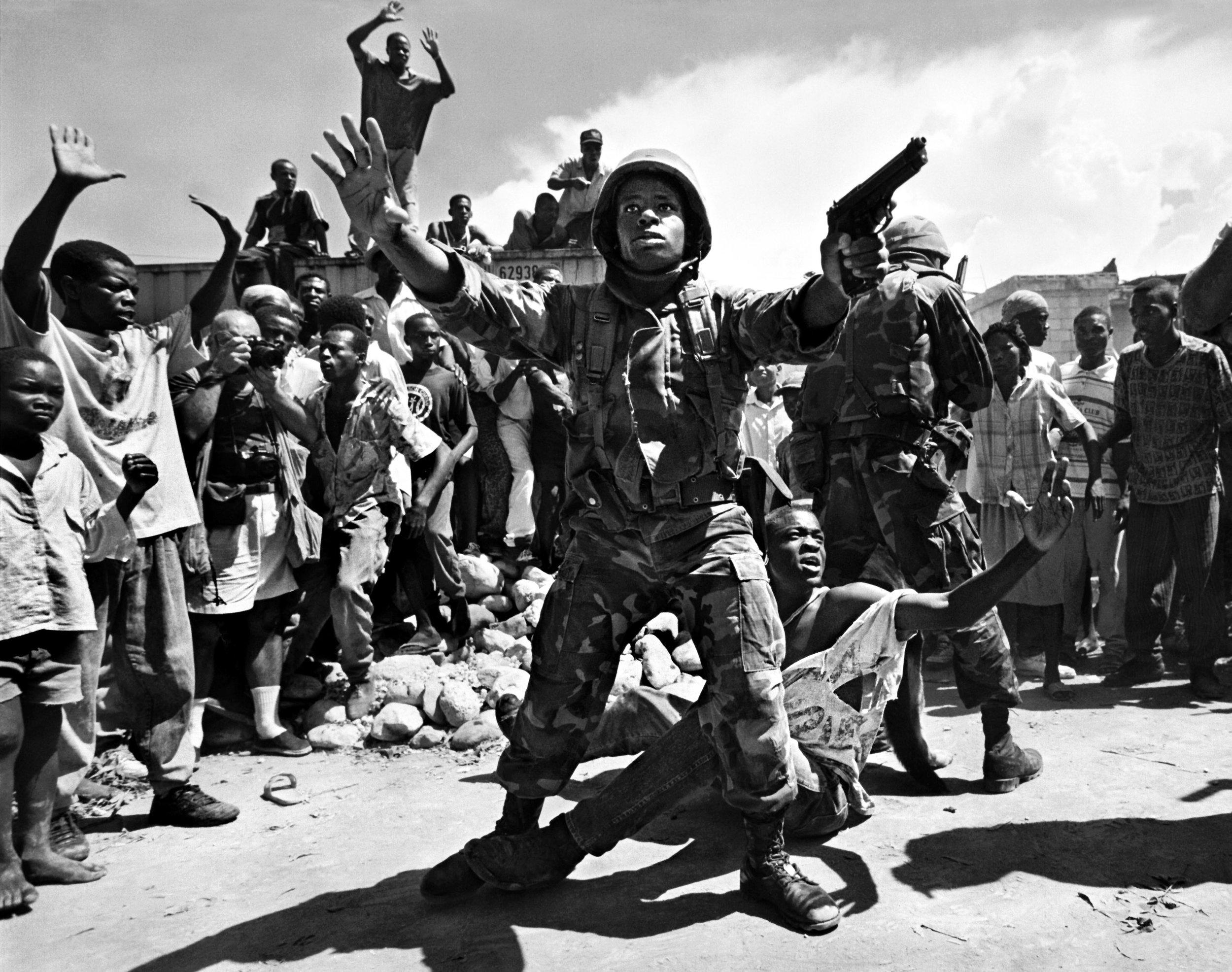
In a stark reflection of the ongoing humanitarian crisis in Haiti, U.S. officials have expressed growing concern over the financial implications of American aid and assistance. As the island grapples with political instability, economic degradation, and escalating violence, the United States has taken a step back, indicating that it can no longer sustain its substantial financial commitments in the region. This shift raises critical questions about the future of international support for Haiti and the potential ramifications for its beleaguered population. With calls for a reevaluation of aid strategies, the U.S. stance is sparking debates about the responsibilities of the international community in addressing one of the Western Hemisphere’s most urgent crises.
U.S. Financial Support in Haiti: Evaluating the Long-Term Commitment
The U.S. has long been a primary financial contributor to Haiti, providing essential support aimed at stabilizing the nation amid ongoing crises. However, officials are now grappling with the implications of a sustained commitment in the face of rising costs and the pressing need for reform. Leaders are questioning the effectiveness of past investments, which have not yielded the desired outcomes, and this has sparked a debate on how the financial aid should be structured moving forward. There is a growing sentiment that reliance on external support without significant improvements in governance and infrastructure may not be sustainable in the long term.
Stakeholders emphasize the necessity for a strategic shift towards accountability and lasting development rather than temporary aid. Key points of discussion include:
- Enhancing Local Governance: Strengthening Haiti’s governmental institutions is crucial for ensuring effective use of funds.
- Investment in Sustainable Development: Focusing on long-term projects that address root causes of poverty and instability.
- Collaboration with International Partners: Engaging other nations to share the financial burden can lead to more successful outcomes.
A collaborative approach may foster an environment where financial support is not just a temporary relief but a catalyst for transformative change within Haiti.
Impact of Reduced Aid on Haiti’s Stability and Development
As international funding declines, Haiti faces a precarious situation where the intertwining crises of political instability, economic despair, and social unrest threaten to escalate. Over the years, significant aid from global partners has been vital in sustaining essential services and humanitarian relief. However, with the U.S. announcing a reduction in its financial support, the implications for Haiti’s stability are alarming. The absence of robust funding can lead to a deterioration in basic infrastructures, such as:
- Healthcare services – Increased mortality rates due to lack of medical supplies and personnel.
- Education – School closures and reduced access to quality education, especially for vulnerable populations.
- Public safety – Escalation of gang violence and crime as governmental control weakens.
Moreover, the economic fallout could propel thousands more into poverty, exacerbating the humanitarian crisis that has already seen a significant portion of the population living below the poverty line. The potential for civil unrest becomes heightened in light of dwindling resources. A recent analysis outlined the situation in a table format, illustrating the critical dependencies of Haiti’s socio-economic framework:
| Aid Sector | % of Funding Dependency |
|---|---|
| Healthcare | 70% |
| Education | 65% |
| Infrastructure | 75% |
Strategic Recommendations for Sustainable International Support in Haiti
To address the challenges in Haiti effectively, international support must pivot towards a framework that prioritizes sustainability and self-sufficiency. Key recommendations include the establishment of a multi-tiered funding mechanism that diversifies financial sources beyond the typical governmental aid. This could involve partnerships with nonprofits, private sectors, and international coalitions to create a more resilient support system. Enhancing local capacity building through targeted education initiatives and vocational training programs can empower Haitians to actively participate in their nation’s recovery, reducing reliance on external aid in the long term.
Further, a comprehensive strategy involving local stakeholders is essential for enhancing community engagement and ensuring that initiatives reflect the needs of the population. This can be structured through regular community forums and feedback loops to assess the impact of foreign assistance. Strategies for implementation should include:
- Enhanced transparency in the disbursement of foreign aid to ensure accountability.
- Investment in infrastructure to facilitate business growth and stabilize the economy.
- Promotion of agricultural innovation to achieve food security and self-sufficiency.
- Strengthening the health system by supporting local healthcare initiatives that prioritize accessibility.
| Area of Focus | Potential Impact |
|---|---|
| Education | Empower workforce through skills training |
| Agriculture | Enhance food security and local economy |
| Healthcare | Improve overall public health outcomes |
| Infrastructure | Facilitate trade and reduce poverty levels |
Wrapping Up
In conclusion, the United States’ decision to reassess its financial role in the ongoing crisis in Haiti highlights the complexities of international aid and the shifting priorities of global politics. As the U.S. government makes it clear that it cannot continue to bear such a substantial financial burden alone, the future of humanitarian support for Haiti hangs in the balance. This development raises pressing questions about the sustainability of aid efforts, the responsibilities of the international community, and the dire needs of the Haitian people. As the situation evolves, it remains critical for stakeholders both within and outside Haiti to engage in dialogue and seek collaborative solutions to address the profound challenges facing the nation. Continued attention to this crisis will be essential in ensuring that the voices of those affected by the tumultuous conditions are heard and acted upon.