

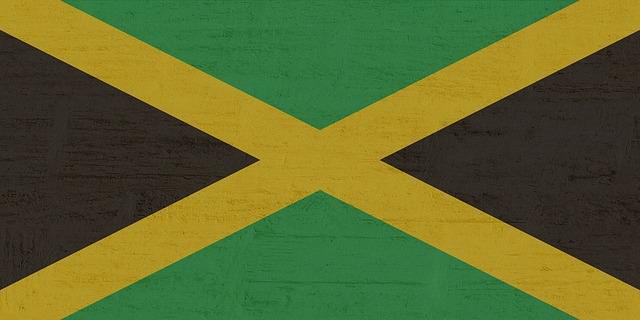
In a significant development in U.S.-Caribbean relations, Jamaica has agreed to accept deportees from the United States, specifically those who are not citizens of the U.S. but are being expelled from American soil. This decision raises numerous questions about the implications for both nations, the impact on Jamaica’s social fabric, and the humanitarian considerations involved. As discussions surrounding immigration policy continue to dominate the political landscape, the announcement has sparked a heated debate among lawmakers, human rights advocates, and the Jamaican diaspora. Here, we explore five critical questions surrounding Jamaica’s agreement to accept U.S. third-country deportees, shedding light on the broader context and potential repercussions of this controversial policy.
Examining the Implications of Jamaica’s Agreement with the U.S. on Third-Country Deportations
The recent agreement between Jamaica and the United States to accept third-country deportees has raised several critical questions among policymakers and citizens alike. This deal, which allows the U.S. to deport individuals to Jamaica who may not have originally been from the country but have a connection to it, is significant. Concerns regarding human rights violations, the potential for increased crime, and the strain on Jamaica’s social services are at the forefront of this debate. Stakeholders worry that accepting deportees from various other nations could lead to a complex situation where Jamaica becomes a default asylum for many individuals facing expulsion.
The potential impact of this agreement spans several dimensions. Economic implications could be profound, as the influx of deportees may necessitate additional resources for housing, employment, and integration programs. Meanwhile, local communities may experience shifts in demographic dynamics, leading to potential cultural and social challenges. Moreover, the following factors must be considered:
- Legal framework: What legal precedents does this agreement establish?
- Public opinion: How do Jamaican citizens feel about accepting third-country deportees?
- International relations: Will this affect Jamaica’s relationships with other Caribbean nations?
Understanding the Humanitarian Concerns Surrounding the Deal
The agreement between Jamaica and the United States to accept third-country deportees raises significant humanitarian concerns that cannot be overlooked. Many individuals targeted for deportation may have strong ties to their communities in the U.S. and could face dire consequences if returned to Jamaica. These individuals often include asylum seekers, including those fleeing political persecution or domestic violence in their home countries. The uncertainty of their future after deportation creates anxiety not only for the individuals involved but also for their families and communities left behind in the U.S. and the communities in Jamaica that may not be equipped to handle the influx of deportees.
Moreover, there is a growing concern regarding the access to essential services for those deported, such as housing, healthcare, and employment. Jamaica, plagued with its own economic challenges, may struggle to provide adequate support for these individuals. The potential strain on local resources could exacerbate existing social issues and provoke public unrest. As the debate continues, it becomes increasingly important for both governments to engage with local NGOs and community organizations to establish measures that ensure humane treatment and support for deportees, addressing their needs and long-term reintegration into society.
Recommendations for Ensuring Fair Treatment of Deportees in Jamaica
To ensure that deportees in Jamaica receive fair treatment, several key measures should be implemented, addressing both legal safeguards and social reintegration efforts. First and foremost, it is imperative to establish clear legal frameworks that protect the rights of deportees. This includes providing access to legal representation during deportation proceedings and ensuring that deportees are informed of their rights upon arrival. Furthermore, there should be ongoing monitoring by independent human rights organizations to assess the treatment of deportees and to promptly address any reported abuses or neglect.
Alongside legal protections, promoting social reintegration programs for deportees is essential. These programs can include access to education and vocational training, mental health support, and assistance in finding stable housing and employment. By investing in such initiatives, Jamaica can mitigate the challenges that deportees face upon return and help to foster a supportive environment that encourages positive contributions to society. Collaboration between government agencies, non-profits, and the diaspora community will be vital in developing a comprehensive support system that respects and uplifts affected individuals.
Insights and Conclusions
In conclusion, Jamaica’s agreement to accept U.S. third-country deportees raises critical questions about the implications for both nations. As the complexities of immigration policy continue to evolve, this deal could set a precedent not just for Jamaica, but for other nations grappling with similar issues. It is vital for stakeholders-governments, human rights organizations, and the community at large-to closely monitor the situation and engage in discussions about the broader impact on deportees and their families. As the story unfolds, ongoing dialogue will be essential in addressing both the immediate and long-term ramifications of this controversial agreement.

