

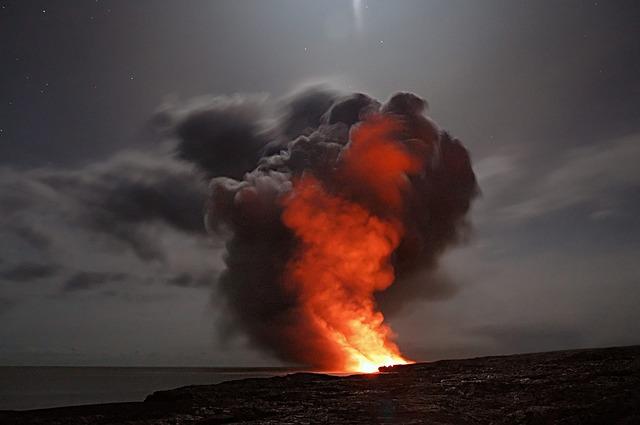
In the annals of natural disasters, few events resonate with the same tragic intensity as the 1902 volcanic eruption in Martinique. Known as the Saint-Pierre disaster, this catastrophic event reshaped not only the landscape of the Caribbean island but also had profound implications for the region and beyond. As we reflect on the lessons learned from this devastating eruption, the #BTColumn delves into the harrowing details of that fateful day, exploring the immense loss of life, the response of the international community, and the lasting impact on volcanic monitoring and disaster preparedness. Join us as we revisit a pivotal moment in history that serves as a stark reminder of nature’s power and the importance of vigilance in the face of environmental threats.
Understanding the Causes and Impact of the 1902 Martinique Volcanic Disaster
The eruption of Mount Pelée in 1902 served as a stark reminder of nature’s power and unpredictable behavior. The geological factors contributing to this catastrophic event included a series of intense volcanic activities leading up to the disaster, characterized by a buildup of pressure from molten rock beneath the Earth’s surface. This culminated in a violent eruption, which was further exacerbated by a dome collapse and the rapid release of gas and pyroclastic flows. As a result, the once-bustling town of Saint-Pierre, situated on the island of Martinique, bore the brunt of the eruption’s fury, leading to unprecedented loss of life and property.
| Impact Category | Description |
|---|---|
| Human Casualties | Estimated 30,000 lives lost |
| Infrastructure Damage | Destruction of buildings, ports, and transportation |
| Economic Effects | Devastation of local economy, loss of trade |
The aftermath of the volcanic disaster left deep scars on both the physical landscape and the collective psyche of the residents. Many survivors were displaced, forcing them to adapt to a new and harsh reality, while the island faced a slow recovery, struggling to rebuild amidst the wreckage. The psychological impact of this disaster resonated deeply, shaping the identity of the island’s community as they navigated the challenges of recovery and rebuilding in the face of such overwhelming tragedy. The story of the 1902 eruption serves not only as a cautionary tale about volcanic activity but also as a testament to resilience in the face of adversity.
Lessons Learned from the Ashes: Preparedness and Response Strategies for Future Eruptions
The catastrophic eruption of Mount Pelée in 1902 not only reshaped the landscape of Martinique but also highlighted significant lessons in disaster preparedness and response. In the wake of this event, it became evident that early warning systems and effective communication strategies could save countless lives during volcanic crises. Key strategies that emerged from this disaster include:
- Enhanced Monitoring: Implementing comprehensive seismic monitoring systems to detect volcanic activity and provide timely alerts.
- Community Education: Raising public awareness about volcanic hazards, evacuation routes, and emergency protocols.
- Inter-Agency Collaboration: Establishing partnerships between scientific organizations and local governments to ensure coordinated response efforts.
Moreover, the necessity of developing resilient infrastructures and emergency response plans cannot be overstated. During the 1902 eruption, many fatalities could have been avoided with better preparedness. Essential components of an effective emergency strategy include:
| Component | Description |
|---|---|
| Infrastructure Resilience | Constructing buildings and roads that can withstand volcanic impacts. |
| Evacuation Plans | Developing clear and efficient evacuation routes and procedures. |
| Public Drills | Conducting regular drills to prepare the population for emergency situations. |
Community Resilience and Recovery: Rebuilding Lives After Natural Catastrophes in the Caribbean
The catastrophic 1902 volcanic eruption of Mount Pelée on the island of Martinique serves as a chilling reminder of the vulnerabilities faced by Caribbean communities in the wake of natural disasters. In the aftermath of this tragedy, where over 30,000 lives were claimed, the focus quickly shifted to community resilience and the urgent need for recovery strategies. The residents of Martinique demonstrated remarkable courage and determination as they sought to rebuild their lives from the ashes of destruction. By implementing grassroots initiatives and fostering community solidarity, they began the long and arduous process of restoration, illustrating the profound human spirit that can emerge even in the darkest of times.
In addressing the challenges posed by such calamities, lessons learned from historical events highlight the importance of collaborative efforts in disaster recovery. Local governments, NGOs, and international partners must work hand-in-hand to develop sustainable practices that empower communities. Key strategies for resilience include:
- Infrastructure Development: Investing in adaptive building designs that can withstand future disasters.
- Emergency Preparedness Training: Equipping communities with the skills and knowledge needed to respond effectively.
- Economic Diversification: Establishing varied income sources to reduce dependency on vulnerable sectors.
When communities unite in shared purpose and commitment, they lay the foundation not only for recovery but also for long-term resilience against the inevitable challenges posed by natural catastrophes. The story of Martinique serves as an enduring lesson that, with each challenge faced, there lies an opportunity for growth, innovation, and unity in the Caribbean and beyond.
Wrapping Up
In summary, the 1902 volcanic disaster in Martinique serves as a poignant reminder of nature’s unpredictable power and the profound impact it can have on communities. The eruption of Mount Pelée not only reshaped the landscape but also left an indelible mark on the collective memory of the Caribbean. As we reflect on this tragic event, it is crucial to recognize the lessons learned in disaster preparedness and response, which continue to resonate across the region today. The resilience of the people of Martinique, alongside ongoing efforts to celebrate and preserve their heritage, stand testament to the enduring spirit of survival and recovery. For further insights and deeper analysis, stay tuned to #BTColumn as we continue to explore the historical events that have shaped our world.

