

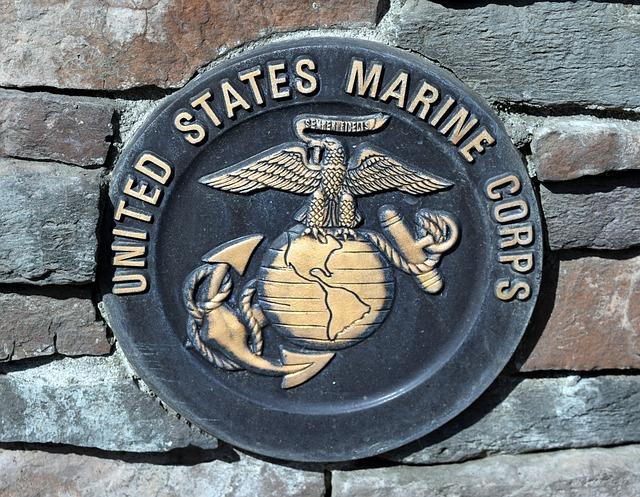
In a strategic move aimed at enhancing regional security and military cooperation, U.S. troops have begun training in Panama, a pivotal player in Central America’s geopolitical landscape. This development comes amid escalating challenges such as drug trafficking, organized crime, and natural disasters that threaten stability in the region. As the United States seeks to strengthen alliances and bolster its presence in Latin America, these training exercises serve as a testament to the ongoing commitment to uphold security and respond to emerging threats. Through an examination of the objectives and implications of this military initiative, we delve into why U.S. forces are turning their attention to Panama and what it signals for future interactions in the region.
US Military Strategy Shifts: The Role of Panama in Central America
The recent decision by the Pentagon to conduct military training exercises in Panama signifies a strategic recalibration in the U.S. approach toward Central America. This shift, driven by evolving geopolitical threats and security challenges, positions Panama not just as a crossroads for trade, but also as a pivotal player in maintaining regional stability. The U.S. aims to enhance its capabilities in countering potential adversaries in the region, especially considering the increasing presence of non-aligned actors. The training will include specialized programs targeting counter-narcotics operations, humanitarian assistance, and disaster response, emphasizing interoperability with local and regional forces.
Key components of this renewed military focus include the establishment of joint task forces and increased intelligence sharing between the U.S. and Panamanian armed forces. As a response to regional instability, both nations are likely to prioritize the following areas:
- Counter-Terrorism – Strengthening capabilities to respond to extremist threats.
- Drug Trafficking – Enhancing efforts to combat illicit drug networks.
- Natural Disaster Response – Streamlining preparedness and response measures for climate-related events.
This strategic partnership aims to bolster not only U.S. military readiness but also to promote security and democratic governance in Central America. As Panama serves as a strategic hub, it is imperative for the U.S. to reinforce alliances that counterbalance influences from other powers looking to assert dominance in the region.
Enhancing Regional Security: Insights from US Training Exercises in Panama
In a bid to bolster regional security, US training exercises in Panama have emerged as a pivotal strategy in enhancing military readiness. These exercises not only strengthen bilateral relations between the United States and Panama but also serve as a crucial mechanism for addressing contemporary security challenges in Central America. Through rigorous simulations and joint operations, US troops work alongside Panamanian forces to improve interoperability and readiness in the face of natural disasters and transnational threats.
The collaborative efforts spotlight a variety of key focus areas, including:
- Counter-Narcotics Operations: Training to enhance skills in combating drug trafficking.
- Disaster Response: Preparing forces to respond effectively to natural disasters, a common challenge in the region.
- Humanitarian Assistance: Joint missions aimed at providing aid to vulnerable populations in crisis situations.
- Intelligence Sharing: Establishing protocols for improved information exchange critical for threat assessments.
| Training Focus | Objectives |
|---|---|
| Counter-Narcotics | Enhance operational capabilities against drug trafficking organizations. |
| Disaster Response | Improve coordination and efficiency in emergency situations. |
| Humanitarian Assistance | Provide essential support to affected communities. |
| Intelligence Sharing | Create a framework for timely and relevant information exchange. |
Recommendations for Strengthening US-Panama Military Collaboration
To enhance military collaboration between the United States and Panama, a multi-faceted approach that prioritizes mutual interests, training effectiveness, and strategic readiness is essential. Key actions can include:
- Joint Military Exercises: Regularly scheduled training exercises can help improve interoperability between US forces and the Panamanian military, fostering real-time communication and tactical coordination.
- Infrastructure Investment: Upgrading training facilities and logistics support in Panama will ensure both nations have access to state-of-the-art equipment and resources.
- Advanced Training Programs: Implementing specialized training programs focused on counter-narcotics operations and humanitarian assistance can enhance capability and readiness.
- Intelligence Sharing: Strengthening intelligence protocols will facilitate better coordination in addressing regional security threats.
Additionally, focusing on cultural exchange initiatives will establish deeper ties between the two nations’ military personnel, fostering trust and collaboration. This can be achieved through:
- Joint Workshops: Hosting workshops that cover military tactics, ethics, and cultural awareness can create a solid foundation for partnership.
- Scholarship Programs: Offering scholarships for Panamanian military personnel to train in the US can enhance skills and broaden perspectives.
- Community Engagement: Encouraging military personnel from both nations to participate in community service initiatives will strengthen public support and collaboration.
Concluding Remarks
As the geopolitical landscape continues to evolve, the presence of U.S. troops in Panama highlights a renewed emphasis on military collaboration and preparedness in Central America. The training exercises not only aim to enhance the readiness of U.S. forces but also serve to strengthen ties with regional partners in combating shared challenges, including drug trafficking and organized crime. As operational dynamics shift, the implications of these military engagements extend beyond the borders of Panama, potentially influencing security policies across the region. The future of U.S.-Latin American relations may hinge on such cooperative efforts, making the monitoring of these developments essential for understanding broader strategic interests in an increasingly interconnected world. For more in-depth analysis and updates on this story, stay tuned to Bloomberg.com.

