

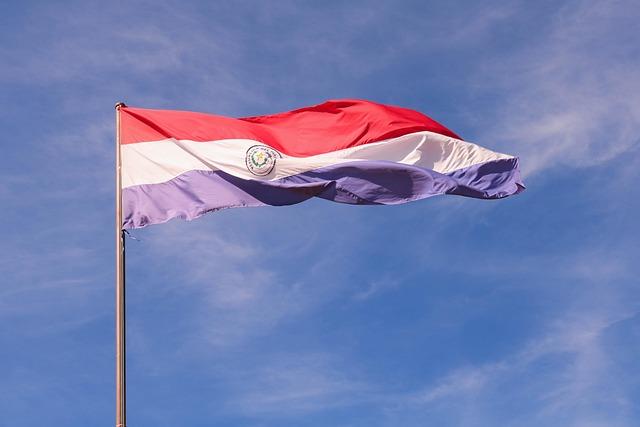
In a significant diplomatic move that echoes through the annals of Latin American history, Paraguay has officially demanded the return of historical cannons from Brazil, relics of the tumultuous Paraguayan War, known as one of the bloodiest conflicts in the region’s past. This request, steeped in historical sentiment and national pride, underscores ongoing discussions about the legacy of the war that claimed countless lives and reshaped the geopolitical landscape of South America in the late 19th century. As Paraguay pushes for the repatriation of these artifacts, the move raises important questions about cultural heritage, historical memory, and the responsibilities of nations to acknowledge and rectify the scars of their shared past. This article will explore the implications of Paraguay’s demands, the historical context of the cannons, and the potential impact on bilateral relations between the two neighboring countries.
Paraguay Seeks Historical Justice Through Return of War Artifacts
The government of Paraguay has intensified its efforts to reclaim historical artifacts, notably iconic cannons, taken during the devastating Paraguayan War (1864-1870). This conflict, recognized as one of the deadliest in Latin American history, resulted in profound losses and suffering for Paraguay, with an estimated 300,000 lives lost in a country with a population of just over a million at the time. The return of these artifacts is seen as a critical step toward acknowledging and healing the historical wounds inflicted during the war, serving both as a symbol of national identity and as a reminder of the tragic impact of war.
In recent discussions, Paraguayan officials have outlined the significance of these artifacts and proposed careful documentation of the cannons’ historical context. Among the items requested are:
- Artillery Pieces: Cannons that played a pivotal role during the conflicts.
- Historical Documents: Manuscripts detailing the events and conditions of the war.
- Cultural Relics: Items reflective of Paraguayan heritage lost in the tumult of war.
To facilitate this diplomatic effort, Paraguay aims to establish a reciprocity program that promotes cultural exchange and understanding between the nations. The restoration of these artifacts to their rightful home could mark a significant milestone in Paraguay’s journey toward historical justice.
The Legacy of the Triple Alliance War and Its Impact on Regional Relations
The Triple Alliance War (1864-1870), often cited as one of the deadliest conflicts in Latin America, left a profound mark on the geopolitical landscape of the region. The war not only ravaged Paraguay but also reshaped the relationships between Paraguay, Brazil, and Argentina. Today, the residues of this brutal history linger, influencing diplomatic dialogues and national identities. Paraguay’s recent demand for Brazil to return historical cannons serves as a reminder of unresolved tensions and lingering grievances that highlight the complexities of post-war coexistence. This call for restitution encapsulates how memory and material legacy can reignite disputes that once seemed settled.
The aftermath of the war forged a narrative of loss and survival for Paraguay, leading to decades of national rebuilding. Consequently, the impact on regional alliances remains significant; the reparation dialogues and memory politics now serve as tools for national identity formation. The historical ties between the warring nations are now tangled in issues including economic cooperation and shared security measures, as seen in initiatives like MERCOSUR. A comparative look at the post-war trajectories of Brazil, Argentina, and Paraguay reveals a complex tapestry of interdependence and rivalry shaped by the scars of the past:
| Country | Post-War Effects | Current Relations |
|---|---|---|
| Paraguay | Heavy Population Loss, Reconstruction | Seeking Restitution from Brazil |
| Brazil | Regional Power Shift, Increased Influence | Focus on Economic Partnerships |
| Argentina | Military Strengthening, Political Realignment | Former Foes, Now Allies in Trade |
Recommendations for Diplomatic Dialogue and Cultural Reconciliation in the Face of Historical Grievances
In light of Paraguay’s recent demands regarding the return of historical artifacts, specifically the cannons from the era of the War of the Triple Alliance, several key recommendations emerge to foster diplomatic dialogue and cultural reconciliation. First, both nations should prioritize open and transparent discussions to address these grievances, ensuring that historical narratives are shared and acknowledged. This can be achieved through:
- Joint Commissions: Establishing bilateral committees that include historians and cultural representatives from both countries to facilitate discussions on historical artifacts and their significance.
- Cultural Exchange Programs: Initiating programs that promote mutual understanding through art, exhibitions, and academic exchanges, showcasing the shared histories of Paraguay and Brazil.
- Public Forums: Hosting public forums and debates to engage citizens and provide a platform for diverse perspectives on historical memory and reconciliation.
Secondly, addressing the emotional and cultural implications tied to such historical grievances requires building trust and empathy. As part of a comprehensive reconciliation strategy, both governments should consider:
- Official Apologies: Formal acknowledgments of the past injustices experienced by Paraguayans during the war, coupled with gestures of goodwill from Brazil.
- Restitution Initiatives: Exploring avenues for reparations that could take various forms-financial, educational, or cultural-to foster goodwill between the two nations.
- Cultural Heritage Conservation: Collaborating on projects that aim to preserve and celebrate the shared heritage, ensuring that historical narratives are not solely bound by conflict, but also by resilience and recovery.
Closing Remarks
In conclusion, Paraguay’s insistence on the return of historical cannons from Brazil underscores the enduring impact of the War of the Triple Alliance, a conflict that reshaped the landscape of South America and left deep scars on the region’s collective memory. As diplomatic discussions unfold, this demand not only highlights issues of historical justice and national identity but also the complexities of international relations in Latin America. The resolution of this matter could pave the way for a deeper reconciliation between Paraguay and Brazil, fostering a dialogue that acknowledges the past while aiming for a united future. As both nations navigate this intricate issue, the world watches closely, reminding us all of the enduring legacies of war and the importance of addressing historical grievances.

