

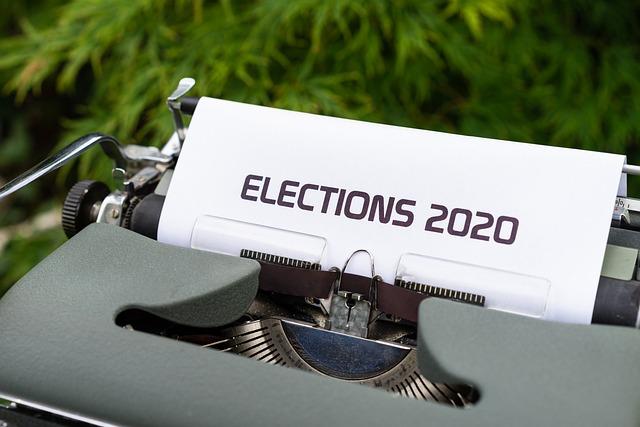
In a significant turning point for the political landscape of Latin America, Keiko Fujimori has emerged victorious in Peru’s recent presidential election, marking a decisive win for the region’s right-wing forces. The daughter of former President Alberto Fujimori, whose controversial legacy continues to polarize the nation, Keiko’s election underscores a broader trend of conservative resurgence in Latin American politics. As challenges mount from economic instability, social unrest, and the ongoing impacts of the global pandemic, Fujimori’s ascent signals a pivotal moment for Peru as it navigates its complex past while responding to the aspirations of its future. This election not only shapes the trajectory of Peruvian governance but also reflects shifting ideologies across the continent as right-leaning candidates gain momentum in the face of progressive opposition.
Keiko Fujimori’s Rise to Power and Its Implications for Peru’s Political Landscape
Keiko Fujimori’s ascent to the presidency marks a pivotal shift in Peru’s political dynamics, following a wave of support for right-leaning candidates across Latin America. Her campaign capitalized on a promise of stability, economic reform, and a tough stance on crime, attracting a diverse voter base disillusioned by previous administrations. As the daughter of former president Alberto Fujimori, her political lineage has been both a source of strength and controversy. Supporters argue that her experience and familiarity with the political landscape will foster continuity in governance, while detractors worry about the implications of a return to the policies of the past, particularly regarding authoritarianism and human rights issues.
The implications of her victory extend beyond immediate governance; they signal a broader trend of consolidation within the right-wing political spectrum in Latin America. Key considerations include:
- Economic Policies: Expected pro-business policies may attract foreign investment.
- Social Issues: Potential backlash from progressive movements advocating for marginalized communities.
- International Relations: A shift in alliances potentially favoring more conservative regimes.
This evolving political landscape under Fujimori could redefine national dialogues around governance, civil rights, and economic equity, setting the stage for a contentious power struggle between traditional conservatism and emerging leftist movements in Peru.
Analyzing the Impact of Fujimori’s Victory on Latin American Right-wing Movements
The recent electoral success of Keiko Fujimori in Peru marks a significant watershed moment for right-wing movements across Latin America. This victory not only signifies a shift in the political landscape of Peru but also reverberates through the region, emboldening conservative parties and movements to reclaim power in countries previously seen as bastions of leftist governance. In analyzing this trend, it is clear that Fujimori’s triumph reflects a broader discontent with traditional leftist policies, emphasizing a desire for strong leadership amid economic uncertainty and security concerns. The implications of her administration are expected to set a precedent for emerging right-wing candidates, providing them a blueprint for appealing to a populace disillusioned with the status quo.
Furthermore, it is essential to consider several factors that may enhance right-wing momentum in other Latin American nations:
- Economic Uncertainty: Nationwide inflation and stagnation drive voters to seek stability through conservative policies.
- Security Concerns: Rising crime rates force citizens to favor hardline stances on law enforcement.
- Anti-corruption Platforms: Right-wing movements often capitalize on the disillusionment arising from corruption scandals involving leftist leaders.
As Fujimori takes office, her administration could potentially signal a resurgence of conservative ideologies, fostering collaboration among right-wing entities in neighboring countries. The political arena in Latin America is poised for significant transformation, reminiscent of earlier waves of conservatism, as voters increasingly turn to right-leaning alternatives in search of effective governance.
Recommendations for Navigating Economic and Social Challenges Ahead in Peru
In Summary
In conclusion, Keiko Fujimori’s victory in Peru’s presidential election marks a significant moment for the nation and the broader landscape of Latin American politics. Her win underscores a growing momentum for right-wing leadership in the region, reflecting both a desire for economic stability and a rejection of leftist policies in the face of ongoing challenges. As Fujimori prepares to assume office, the international community will be closely watching her government’s approach to governance, human rights, and engagement with the public. The outcome of this election not only reshapes Peru’s political dynamics but also contributes to the evolving narrative of conservatism in Latin America, signaling potential shifts in policy priorities and regional alliances in the years ahead.

