

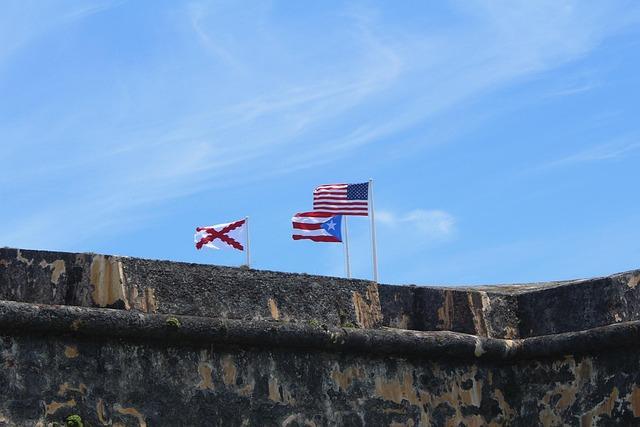
In an era where discussions surrounding citizenship and national identity are increasingly prevalent, the status of Puerto Rico as a territory of the United States often remains misunderstood. The question of whether Puerto Ricans are American citizens is not merely a legal technicality but a matter intertwined with the island’s complex history and cultural narrative. Despite being U.S. citizens since 1917, Puerto Ricans continue to navigate a unique relationship with the mainland, marked by differences in political representation and federal rights. In this article, we will explore the implications of this citizenship status, the challenges faced by Puerto Ricans, and the broader conversation about identity and belonging within the American landscape. Join us as we delve into the intricacies of Puerto Rican citizenship and its significance in today’s socio-political climate.
Understanding American Citizenship in Puerto Rico
The status of Puerto Ricans as American citizens is often a topic of confusion and misconception. Puerto Rico became a U.S. territory in 1898 following the Spanish-American War, and in 1917, the Jones-Shafroth Act granted U.S. citizenship to individuals born in Puerto Rico. Despite this, the island’s residents do not have the same voting rights in federal elections as those living in the 50 states. While they can vote in the primary elections, their voices are sidelined once the general election occurs, leading to ongoing discussions about representation and equality.
To further clarify the relationship between Puerto Rico and the United States, here are some key points:
- Citizenship Status: All Puerto Ricans are born U.S. citizens.
- Federal Voting Rights: Puerto Ricans cannot vote for President unless they reside in a state.
- Representation in Congress: Puerto Rico has a Resident Commissioner who can participate in debates but cannot vote on the House floor.
- Local Governance: The island has its own constitution and government, operating semi-autonomously.
In light of these unique circumstances, many argue that Puerto Rico’s colonial status affects not only its political landscape but also its economic well-being. Recent discussions have centered around potential statehood, which could provide full voting rights and representation in Congress, as Puerto Rico continues to navigate its complex identity as both a territory and a vital part of the United States.
The Historical Context of Puerto Rican Citizenship
The journey toward Puerto Rican citizenship has been influenced by a blend of historical events and U.S. legislation. Following the Spanish-American War in 1898, Puerto Rico was ceded to the United States, marking a significant shift in the island’s governance and relationship with the mainland. The Foraker Act of 1900 established a civilian government on Puerto Rico, but it also meant that Puerto Ricans were initially classified as ‘aliens’ rather than full American citizens. This distinction would evolve with time as the islanders navigated their complex identity and rights under U.S. law.
In 1917, the Jones-Shafroth Act granted U.S. citizenship to Puerto Ricans, but it included provisions that emphasized their limited democratic rights, such as the inability to vote in U.S. federal elections. Despite being recognized as citizens, Puerto Ricans find themselves in a unique legal limbo, often described as a “colonial status” due to their lack of representation in Congress and the ongoing debate about the island’s political future. Understanding this historical backdrop is essential to grasping the complexities of Puerto Rican identity and the rights that come with their citizenship today.
Addressing Misconceptions and Advocating for Equal Rights
Despite the fact that Puerto Ricans are U.S. citizens, there are still pervasive misconceptions about their rights and status. Many people remain unaware that citizenship was granted to Puerto Ricans in 1917 through the Jones-Shafroth Act. This legal framework allows them the same fundamental rights as any American citizen living in the states, yet certain societal attitudes can lead to misunderstanding. Key points often overlooked include:
- Voting Rights: Puerto Ricans can vote in primaries but not in presidential elections.
- Military Service: Puerto Ricans have served in the U.S. military in significant numbers, with a decorated history.
- Civic Engagement: Puerto Ricans actively participate in community and political movements seeking greater recognition and equality.
Addressing these misconceptions is imperative to fostering unity and understanding among all American citizens. Maintaining civic dialogue is essential for recognizing the distinct challenges faced by Puerto Ricans, especially since many may not have direct representation in Congress. Efforts to advocate for equal rights often include:
- Enhancing Education: Initiatives aimed at informing the broader public about Puerto Rican citizenship.
- Legislative Advocacy: Campaigns for voting rights and equal access to federal resources.
- Community Solidarity: Building alliances across all U.S. territories and promoting national awareness of their rights.
Future Outlook
In conclusion, the status of Puerto Ricans as American citizens is often misunderstood, yet it remains a cornerstone of their identity and rights. The ongoing debates surrounding Puerto Rico’s political future and its representation in Congress highlight the complex relationship between the island and the mainland U.S. As Puerto Ricans continue to navigate the challenges of citizenship, it is crucial for both policymakers and the public to recognize and support the rights that accompany their American status. Understanding this dynamic is not only essential for fostering constructive dialogue but also for shaping a more equitable future for all Americans. As discussions about statehood and self-determination evolve, the voices of Puerto Ricans must remain at the forefront, ensuring their contributions and concerns are heard in the halls of power.

