

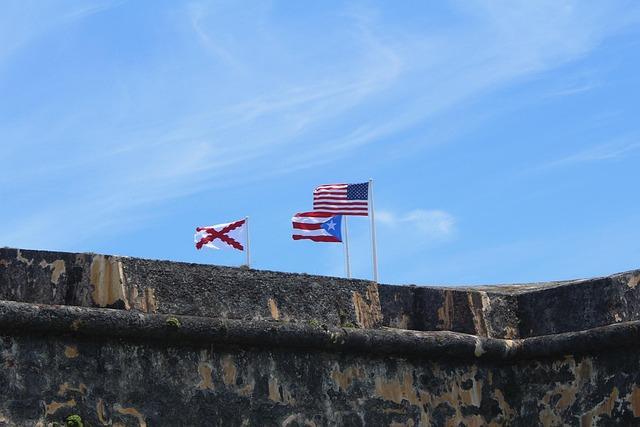
In recent years, political discussions surrounding American citizenship have taken center stage, igniting debates that cut across party lines and regional divides. A notable flashpoint in this discourse emerged during former President Donald Trump’s tenure, particularly regarding the status of Puerto Ricans as American citizens. As the U.S. territory grapples with economic challenges, natural disasters, and a complex relationship with the federal government, questions have arisen about Trump’s understanding and acknowledgment of Puerto Rican citizenship. In this article, we delve into recent statements, social media interactions, and the broader implications of citizenship discourse to explore whether Trump recognizes the American identity of Puerto Ricans and what this means for the ongoing conversation about equality and representation in the United States.
Understanding the Legal Status of Puerto Ricans as American Citizens
The legal status of Puerto Ricans as American citizens is a complex narrative entwined with the island’s unique political and historical background. Puerto Rico became a U.S. territory following the Spanish-American War in 1898. In 1917, the Jones-Shafroth Act granted U.S. citizenship to Puerto Ricans, yet the island remains unincorporated, meaning its residents do not enjoy the full benefits of citizenship as those living in the 50 states do. This distinction has significant implications for the rights and recognition of Puerto Ricans, particularly in the context of federal laws and representation. While they can vote in primary elections, their lack of voting representation in Congress raises questions about the equality of their citizenship status.
Understanding this nuanced relationship requires considering key factors that influence the perception and rights of Puerto Ricans:
- Territorial Status: As an unincorporated territory, Puerto Rico operates under different legal frameworks than states.
- Voting Rights: Residents cannot vote in presidential elections and lack full congressional representation.
- Tax Obligations: Although they are U.S. citizens, many federal taxes do not apply, affecting financial stability and public services.
- Political Identity: The island’s status continues to provoke discussions about self-determination and potential statehood.
The ongoing debate surrounding Puerto Rico’s status raises critical questions about how American citizenship is defined and experienced in the context of autonomy and rights.
Exploring Trump’s Knowledge and Public Statements on Puerto Rican Citizenship
Throughout his presidency, Donald Trump made a series of statements regarding Puerto Rico that raised questions about his understanding of the island’s status as a U.S. territory. Despite Puerto Ricans being granted U.S. citizenship in 1917, Trump has made comments that suggested a gap in knowledge about the island’s political and social dynamics. This has led many to wonder whether his public declarations were rooted in a misunderstanding or a deliberate choice to frame the narrative in a specific way. Notably, his remarks during various crisis responses often elicited criticism, with some critics pointing to a perceived indifference towards the residents of the island.
Among the more controversial statements were claims about Puerto Rico’s economic situation and the federal response to natural disasters, which indicated a disconnect from the reality faced by its citizens. In his speeches, he often referred to Puerto Rico in a context lacking acknowledgment of its status and rights as fully recognized Americans. Highlighting responses to different events, the following points illustrate instances where his statements may have overlooked this important aspect:
- Hurricane Maria Response: Criticized for his remarks on the aid, suggesting Puerto Rico was “getting more money than it deserves.”
- Citizenship References: At times, he appeared to question whether Puerto Ricans were entitled to the same federal benefits as mainland Americans.
- Public Statements: Frequently used phrases that seemed dismissive of Puerto Rico’s complexities, such as calling its recovery process “a mess.”
The Importance of Educating Leaders on Territorial Rights and Citizenship Issues
The ongoing dialogue surrounding the citizenship of Puerto Ricans serves as a crucial reminder of the need for comprehensive education on territorial rights and citizenship issues among leaders. Awareness of these topics is essential to crafting policies that respect the rights of all American citizens, regardless of geographical boundaries. There are important facets of this dialogue that warrant attention, including:
- Historical Context: Understanding the complex history of Puerto Rico’s relationship with the United States can illuminate ongoing disparities in treatment and representation.
- Legal Implications: Educating leaders on the legal nuances of citizenship can prevent misinformation and foster a deeper understanding of residents’ rights.
- Empowerment of Residents: Knowledge empowers citizens to engage in advocacy, pushing for policies that reflect their needs and aspirations.
Furthermore, equipping politicians and policymakers with accurate information can help bridge the gap between Puerto Rico’s status as a territory and its inhabitants’ rights as U.S. citizens. As leaders grapple with pressing issues affecting Puerto Rico, it becomes increasingly important to address misconceptions that can hinder effective governance. This includes a commitment to informed discussions about socio-economic policies, representation in Congress, and disaster response protocols. A deeper understanding will enable leaders to support initiatives that promote equality and justice for all citizens, ensuring that no territory or its people are left behind.
The Conclusion
In summary, the question of whether former President Donald Trump understands that Puerto Ricans are American citizens has sparked significant discussion and scrutiny. Amidst ongoing debates about U.S. territory, citizenship, and identity, this issue not only reflects Trump’s past remarks but also highlights broader misconceptions about Puerto Rico and its relationship with the mainland. As the conversation continues, it serves as a reminder of the importance of informed dialogue about citizenship and the diverse tapestry of the American experience. Moving forward, clarity and respect for the rights of all Americans, regardless of their origins, will be crucial in shaping a more inclusive national narrative. The implications of this discussion resonate far beyond politics, touching on the very essence of what it means to be a part of the American identity.

