

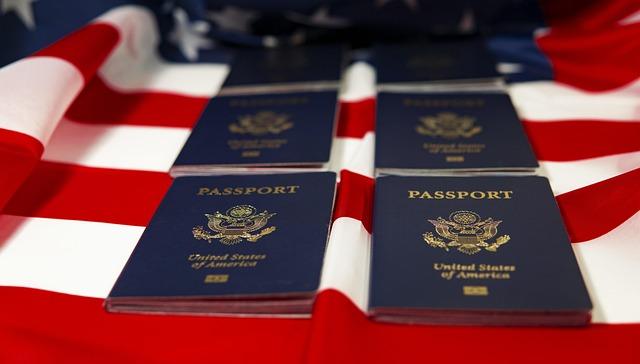
In the ever-evolving narrative of American identity, Puerto Rico stands as a poignant case study, offering rich insights into what it truly means to be American. With its unique political status, vibrant culture, and complex history, the island reveals the multifaceted dimensions of American citizenship and belonging. The Rockefeller Institute of Government invites us to explore these lessons, delving into Puerto Rico’s challenges and triumphs to better understand the essence of American unity and diversity. As the conversation around national identity continues to grow, examining the experiences of Puerto Ricans uncovers essential truths that resonate beyond the island, prompting reflection on shared values, rights, and the ongoing quest for equity within the broader American landscape.
The Dual Identity of American Citizenship Through the Lens of Puerto Rico
The complex narrative of American citizenship is illustrated poignantly through the lens of Puerto Rico, where the inhabitants navigate a unique duality: they are U.S. citizens but simultaneously lack full political rights. This paradox is often characterized by several key factors:
- Overseas Residency: Puerto Ricans are U.S. citizens but do not vote in presidential elections unless they reside in one of the 50 states.
- Commonwealth Status: The island’s status as a U.S. territory limits local self-governance and complicates representation in Congress.
- Cultural Identity: Many Puerto Ricans embrace a rich cultural identity that includes a blend of American and Puerto Rican influences.
This dual identity often leads to a distinct experience of citizenship that varies greatly from that of the mainland. The implications of this unique status can be observed in various aspects of daily life, from political engagement to economic opportunities. Consider the following table which outlines some key differences in the rights and responsibilities of Puerto Rican citizens compared to those on the mainland:
| Aspect | Mainland Citizens | Puerto Rican Citizens |
|---|---|---|
| Voting in Presidential Elections | Yes | No (unless residing in a state) |
| Representation in Congress | Full voting rights | One non-voting resident commissioner |
| Access to Federal Programs | Full eligibility | Limited access |
Lessons in Resilience and Community from Puerto Rico’s Socioeconomic Landscape
Pertinent to understanding the essence of community in Puerto Rico is not only the island’s economic challenges but also its remarkable capacity for resilience. The socioeconomic landscape, shaped by fiscal crises and natural disasters, has galvanized a communal spirit among Puerto Ricans that emphasizes the importance of mutual aid and cooperation. In the wake of Hurricane María, residents came together to provide food, shelter, and resources to their neighbors, showcasing an inherent commitment to each other’s well-being. This collective response reflects an enduring characteristic of Puerto Rican identity: the prioritization of family and community over individualism. Both grassroots organizations and informal networks have become lifelines, illustrating how communities can mobilize quickly to heal and rebuild even in the direst circumstances.
Moreover, the lessons gleaned from Puerto Rico’s socioeconomic landscape extend beyond mere survival; they underscore the transformative power of solidarity in the face of adversity. Puerto Ricans have demonstrated an impressive ability to adapt, often innovating solutions that address immediate needs while laying the groundwork for long-term recovery and sustainability. Key elements that contribute to this resilience include:
- Strong Social Networks: Established relationships that foster collaboration and resource-sharing.
- Active Civic Participation: Communities engaged in advocacy, ensuring their voices are heard in policy discussions.
- Grassroots Entrepreneurship: Local initiatives that stimulate economic activity and build self-sufficiency.
| Challenge | Response |
|---|---|
| Natural Disasters | Grassroots relief efforts |
| Economic Downturn | Community-driven entrepreneurial projects |
| Healthcare Access | Mobile clinics and telehealth initiatives |
As ongoing dialogues about what it means to be an American continue to evolve, Puerto Rico’s example serves as a powerful reminder of the strength that emerges when communities unite in purpose and resilience. The island not only illustrates the rich tapestry of American identity but also provides a blueprint for how adversity can be met with unity, fostering a brighter future for all its citizens.
Bridging the Gaps: Recommendations for an Inclusive American Narrative
To craft a more inclusive American narrative, it is essential to recognize the diverse voices and experiences that contribute to the fabric of our nation, especially those from Puerto Rico. Engagement with local communities is crucial, which can be fostered through various means, including:
- Support for cultural exchange programs that highlight Puerto Rican history and achievements.
- Incorporation of Puerto Rican literature and art into mainstream educational curricula.
- Promotion of local Puerto Rican businesses and initiatives, helping to amplify their economic contributions.
Creating platforms where Puerto Rican perspectives are central allows for a fuller understanding of what it means to be American, bridging the gaps that have long existed in the narrative.
Furthermore, policy initiatives must reflect the realities faced by Puerto Ricans, particularly in areas such as representation, disaster recovery, and economic support. A proposed framework might include:
- Establishing a task force focused on issues impacting Puerto Rico directly, ensuring their voices shape federal policies.
- Incentivizing participation in local governance to ensure Puerto Rican citizens are engaged in decision-making processes.
- Revisiting economic policies to ensure equitable investment in infrastructure and public services that benefit all citizens, regardless of their geographic location.
By committing to these recommendations, we not only validate the experiences of Puerto Ricans but also enhance the collective American identity, offering a more accurate representation for future generations.
To Wrap It Up
In conclusion, the exploration of what it means to be an American through the lens of Puerto Rico offers profound insights into our shared identity. As highlighted by the Rockefeller Institute of Government, the island’s unique history, cultural richness, and ongoing struggles illustrate the diverse tapestry of the American experience. The lessons learned from Puerto Rico underscore the importance of inclusivity, resilience, and an understanding that the American narrative is continually evolving. As the nation grapples with issues of equity and representation, reflecting on Puerto Rico’s contributions can guide us toward a more cohesive and equitable understanding of what it truly means to be an American today. The dialogue around these lessons is essential, not only for Puerto Rico but for all Americans striving for a more unified and just society.

