

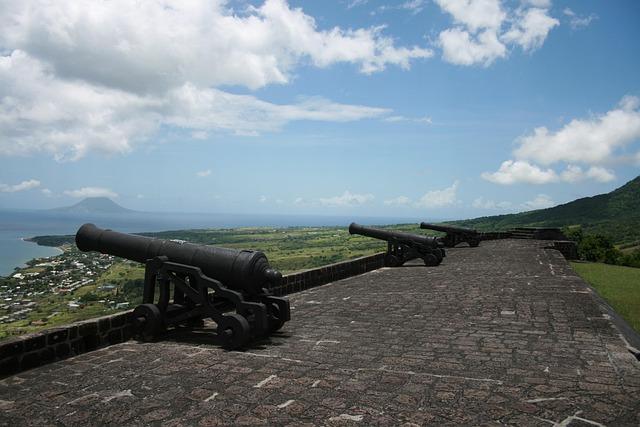
In a recent development that has drawn attention to the intricacies of international migration agreements, St. Kitts and Nevis officials have disclosed that capacity limitations were instrumental in Haiti’s exclusion from a significant U.S. migration deal. The announcement sheds light on the challenges faced by Caribbean nations in accommodating the influx of migrants amidst ongoing regional crises. As the U.S. navigates its immigration policies in the context of broader geopolitical dynamics, the implications of this decision resonate deeply within the Caribbean, particularly for a nation like Haiti, grappling with its own set of formidable obstacles. This article delves into the details surrounding the exclusion, the reactions it has elicited, and the potential consequences for regional stability and migration trends.
St. Kitts and Nevis Cites Capacity Constraints as Key Factor in Excluding Haiti from Migration Agreement
In a recent statement, St. Kitts and Nevis officials articulated their concerns regarding the implementation of a migration agreement with the United States, emphasizing that capacity limitations played a significant role in the decision to exclude Haiti. The twin-island nation is grappling with its own resource constraints, which have made it challenging to accommodate an influx of migrants amidst the ongoing economic and humanitarian crises in the region. Officials highlighted that while they understand the pressing needs of Haiti, ensuring the stability and well-being of their own community must take precedence.
The nation’s government outlined several key reasons for this exclusion, including:
- Resource Limitations: The current infrastructure cannot sustain additional population surges without straining local services.
- Public Health Concerns: The health system is already under pressure, making it difficult to provide adequate care for both locals and newcomers.
- Social Cohesion: Introducing a sudden increase in migrants could disrupt the social fabric and economic conditions prevailing in St. Kitts and Nevis.
Despite these challenges, the government underlined its commitment to pursuing dialogue with international partners to address the issue, indicating a willingness to explore future collaborations that could more equitably involve all affected nations. This stance reflects a delicate balance between humanitarian responsibility and national self-preservation in an increasingly complex regional landscape.
Analysis of the Humanitarian Impact of Haiti’s Omission from the US Migration Deal
The recent decision to exclude Haiti from the US migration deal has raised significant concerns regarding the humanitarian implications for the nation already fraught with socioeconomic challenges. The omission not only highlights the vulnerabilities faced by Haitians, but it also puts additional strain on neighboring countries that may become the destination for those fleeing instability. As St. Kitts and Nevis officials pointed out, capacity limitations played a crucial role in this decision, yet it also reflects a broader systemic issue of neglect towards Haiti’s ongoing crises, including political instability and environmental disasters. This collective apathy could exacerbate the plight of Haitians, leading to potential mass migrations and a further deterioration of the region’s already strained resources.
The humanitarian impact of this exclusion is multifaceted, leading to several immediate concerns:
- Increased Migration Pressure: Without pathways to legal migration, the likelihood of irregular migrations grows, leading to clandestine journeys fraught with danger.
- Regional Tensions: Neighboring countries might experience a surge in Haitian migrants, potentially overstretching their own capacities and resources.
- Deterioration of Living Conditions: Continued instability in Haiti-exacerbated by the lack of international support-may lead to a further decline in living conditions, including heightened poverty and food insecurity.
In summary, the exclusion of Haiti from the migration deal not only poses significant challenges for Haitians directly but may also have a ripple effect throughout the Caribbean region, underscoring the need for a more nuanced approach to migration policy that addresses broader humanitarian concerns.
Recommendations for Addressing Capacity Challenges in Regional Migration Policies
To effectively address the capacity challenges faced in regional migration policies, it is crucial for nations to enhance collaboration and resource sharing. Key strategies include:
- Strengthening regional partnerships: Encourage multilateral agreements that facilitate information exchange and coordinated responses among countries affected by migration issues.
- Investing in infrastructure and services: Allocate funds for improving border management and migrant support facilities, ensuring adequate resources are available to handle influxes.
- Capacity building: Provide training and development for personnel involved in migration management, focusing on best practices and innovative solutions.
Additionally, establishing clear frameworks and guidelines can streamline regional responses. It is essential to prioritize the following aspects:
- Data collection and analysis: Develop robust systems to gather and analyze migration data, informing policy adjustments and response strategies.
- Public awareness campaigns: Educate citizens about the benefits and challenges of migration, fostering a more receptive community environment.
- Engagement with international organizations: Collaborate with bodies like the UNHCR and IOM to secure technical assistance and financial support.
The Way Forward
In conclusion, the recent announcement regarding Haiti’s exclusion from the US migration agreement highlights the complex interplay of capacity limitations and diplomatic considerations within the Caribbean region. As St. Kitts and Nevis officials elucidate the rationale behind this decision, the implications for Haitian migrants and regional stability remain significant. Stakeholders and policymakers will need to navigate these challenges carefully as they seek solutions to ongoing migration issues in the Caribbean. As the situation evolves, further dialogue and collaboration among nations will be essential to address both the humanitarian needs of migrants and the logistical realities faced by host countries. The outcome of this situation will undoubtedly shape the future of migration policy in the region and its impact on vulnerable communities.

