

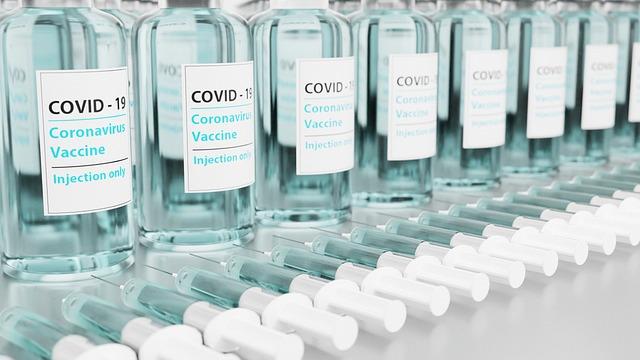
In a significant step toward bolstering public health in the Caribbean, the United States has extended its congratulations to St. Vincent and the Grenadines on the recent arrival of COVID-19 vaccines through the COVAX initiative. This acknowledgment, shared by the U.S. Embassy in Barbados, underscores the collaborative efforts to combat the pandemic and ensure equitable access to vaccines across the globe. As nations continue to grapple with the ongoing challenges posed by COVID-19, the delivery of these vaccines represents a crucial milestone for St. Vincent and the Grenadines, paving the way for enhanced vaccination efforts and a safer environment for its citizens.
U.S.-St. Vincent Relations Strengthened Through COVAX Vaccine Support
The recent arrival of COVID-19 vaccines in St. Vincent and the Grenadines, supported by the COVAX initiative, marks a significant milestone in the partnership between the United States and the Caribbean nation. This collaborative effort illustrates the U.S. commitment to global health security and showcases the importance of international cooperation during health crises. The delivery of these vaccines not only serves to protect the health of Vincentians but also underscores the importance of equitable access to vaccines for all nations, regardless of size or wealth.
In recognition of this achievement, the U.S. Embassy in Barbados expressed congratulations, highlighting key aspects of the relationship that have been reinforced through this support:
- Strengthened Diplomatic Ties: The vaccine support reflects a deepening of diplomatic relations between the U.S. and St. Vincent.
- Shared Commitment to Health Equity: Both nations are united in the goal of providing equitable healthcare access.
- Community Resilience: The vaccines are crucial in enhancing the resilience of local communities to combat the pandemic.
Furthermore, the collaborative nature of this initiative fosters a sense of solidarity not only in St. Vincent and the Grenadines but also among other Caribbean nations. With the support of multi-national programs like COVAX, the collective response to COVID-19 is strengthened, bolstering hope for recovery and future preparedness.
Implications of Vaccine Arrival for Public Health and Economic Recovery
The recent arrival of COVID-19 vaccines in St. Vincent and the Grenadines, facilitated by the COVAX initiative, marks a significant step forward in addressing the public health challenges posed by the pandemic. The availability of vaccines not only aims to reduce infection rates and promote herd immunity but also enhances the overall resilience of the healthcare system. The immediate implications for public health include:
- Increased Vaccination Coverage: A larger proportion of the population can now be protected against severe illness, hospitalization, and death.
- Strengthened Health Infrastructure: The distribution of vaccines necessitates improvements in healthcare logistics and delivery systems.
- Public Confidence: The arrival of effective vaccines can restore confidence in public health measures and encourage greater community compliance.
Economically, the vaccine rollout presents a crucial opportunity for recovery and revitalization of local industries, particularly tourism and hospitality, which have faced unprecedented hardships. As the population becomes vaccinated, the country can anticipate a gradual lifting of restrictions, leading to:
- Increased Economic Activity: Businesses can reopen with more regulatory safety measures, driving local employment and income generation.
- Visitor Reengagement: A safer environment can attract tourists back to the islands, boosting the economy and generating vital foreign exchange.
- Enhanced Investment Opportunities: A robust vaccination program may encourage foreign investors to consider St. Vincent and the Grenadines as a viable business destination.
Recommendations for Effective Vaccine Distribution and Community Engagement
As St. Vincent and the Grenadines receives its shipment of COVID-19 vaccines from COVAX, strategic recommendations for effective distribution and community engagement become vital. Local authorities should prioritize a targeted outreach strategy to ensure the vaccines reach those at the highest risk, including the elderly and individuals with underlying health conditions. This can be accomplished through the establishment of mobile vaccination units that serve remote areas, thereby increasing accessibility for all citizens.
Community involvement is essential for building trust and ensuring vaccine uptake. To facilitate this, the government can take the following approaches:
- Leverage local leaders: Engaging respected community figures to promote vaccine awareness can enhance credibility and encourage participation.
- Establish informational campaigns: Use various media channels to disseminate accurate information about the vaccines, addressing common myths and misconceptions.
- Conduct feedback surveys: Assess community concerns and suggestions regarding the vaccine distribution process to adapt strategies accordingly.
Furthermore, a collaborative framework among health officials, NGOs, and private sectors can optimize resource allocation, ensuring that the logistics of vaccine storage and transportation are effectively managed. Regular updates and transparent communication will be crucial in maintaining public confidence throughout the vaccination process.
Insights and Conclusions
In conclusion, the arrival of COVID-19 vaccines from COVAX marks a significant milestone for St. Vincent and the Grenadines in its ongoing battle against the pandemic. The U.S. Embassy in Barbados has expressed its congratulations to the government and people of St. Vincent and the Grenadines, emphasizing the importance of international collaboration in addressing public health crises. As the nation embarks on its vaccination efforts, this pivotal moment not only provides hope for a return to normalcy but also highlights the crucial role of global partnerships in safeguarding health and wellbeing. The commitment to equitable vaccine distribution remains a global priority as countries navigate the challenges posed by the pandemic.

