

Title: Volcano La Soufriere Eruption Triggers Health Concerns in Saint Vincent and the Grenadines
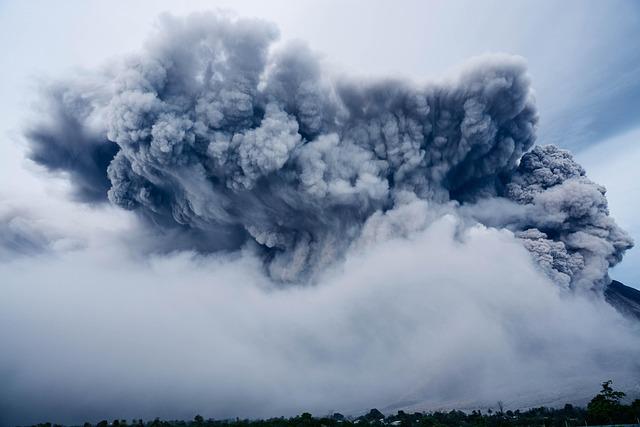
On April 9, 2021, the long-dormant La Soufrière volcano in Saint Vincent and the Grenadines erupted with explosive force, sending ash plumes soaring into the atmosphere and blanketing surrounding areas in a thick layer of grit. As residents face the immediate aftermath of this natural disaster, the Pan American Health Organization (PAHO) has stepped in to address the mounting public health concerns that accompany such catastrophic events. With thousands of locals displaced and critical infrastructure threatened, PAHO is mobilizing resources to provide essential medical assistance and preventive care. This article explores the implications of the eruption for the health of the affected populations, the organization’s response efforts, and the broader impact on the region’s emergency preparedness and resilience strategies.
Impact of La Soufriere Eruption on Public Health in Saint Vincent and the Grenadines
The recent eruption of La Soufrière has left a profound mark on public health in Saint Vincent and the Grenadines. As the ash clouds settled over the nation, communities faced immediate health risks, particularly respiratory issues. Health authorities reported an uptick in cases of asthma and other pulmonary conditions due to increased exposure to volcanic ash. Vulnerable populations, including children, the elderly, and those with preexisting health conditions, are at a higher risk. Immediate public health responses have focused on disseminating information on protective measures, especially the importance of wearing masks and establishing clean water supplies.
In addition to respiratory ailments, the eruption also poses long-term health challenges. The contamination of water supplies with ash and other volcanic materials threatens sanitation and overall public health. As a result, the government and health organizations have initiated comprehensive assessments to evaluate health impacts and devise strategies for recovery. Key focal points include:
- Monitoring respiratory health in affected populations
- Providing mental health support due to stress and anxiety from displacement
- Ensuring clean water access to prevent waterborne diseases
- Facilitating access to healthcare for the displaced
A collaborative effort is crucial for addressing these health impacts, with various organizations ready to support rehabilitation efforts.
Role of PAHO in Disaster Response and Community Support
The Pan American Health Organization (PAHO) plays a pivotal role in coordinating disaster response efforts during events like the eruption of La Soufrière in Saint Vincent and the Grenadines. With its extensive network and expertise, PAHO mobilizes resources to support local health authorities and communities affected by the disaster. In the immediate aftermath, PAHO focuses on assessing the health impacts, ensuring that emergency health services are operational, and providing essential supplies such as medication, personal protective equipment, and sanitation resources. The organization also works to establish and strengthen communication channels to keep the public informed about health risks and available services.
Beyond immediate response, PAHO emphasizes the importance of long-term community support and resilience building. This includes implementing programs aimed at enhancing the health infrastructure and preparedness for future disasters. Key initiatives often involve:
- Training healthcare workers in disaster response protocols and mental health support.
- Conducting community outreach to inform residents about health risks, prevention measures, and available services.
- Establishing partnerships with local organizations for comprehensive recovery efforts.
These initiatives not only help address the immediate health concerns following a volcanic eruption but also empower communities to better prepare for and respond to future emergencies, fostering a culture of resilience and proactivity in managing health crises.
Recommendations for Strengthening Health Systems in Volcanic Emergency Preparedness
Effective health system preparedness in the face of volcanic emergencies requires a multifaceted approach that ensures resilience and responsiveness. First, establishing a comprehensive risk assessment framework is crucial to identify vulnerable populations and potential health impacts related to volcanic activity. Authorities should prioritize the following strategies:
- Develop rapid response plans that include clear communication protocols for sharing information during volcanic events.
- Invest in training for healthcare workers on emergency procedures and disaster response techniques specific to volcanic eruptions.
- Enhance surveillance systems to monitor respiratory illnesses and other health conditions exacerbated by volcanic ash and gas emissions.
Moreover, interagency collaboration must be emphasized to ensure a coordinated response to health crises triggered by volcanic activity. This includes:
- Creating partnerships between health sectors and emergency services to streamline the distribution of resources and medical supplies.
- Implementing community health initiatives to educate the public on personal protective measures against ash fall and ensuring access to clean air and water.
- Conducting regular drills to test the effectiveness of coordination and response strategies among various stakeholders and communities.
| Recommendation | Actionable Steps |
|---|---|
| Risk Assessment | Identify at-risk populations and health impacts. |
| Training Programs | Prepare healthcare workers for emergencies. |
| Community Engagement | Educate the public on protective measures. |
To Wrap It Up
In conclusion, the eruption of La Soufrière in Saint Vincent and the Grenadines has underscored the critical importance of preparedness and response in the face of natural disasters. The proactive measures undertaken by the Pan American Health Organization (PAHO), alongside local authorities, reflect a concerted effort to safeguard public health during this crisis. As the region continues to navigate the aftermath, the resilience of the Vincentian people remains paramount. Continued vigilance, support, and investment in disaster management and healthcare infrastructure will be essential for recovery and future preparedness. The global community stands in solidarity with Saint Vincent and the Grenadines, ready to assist as they work towards rebuilding and restoring normalcy in the wake of this volcanic event.

