

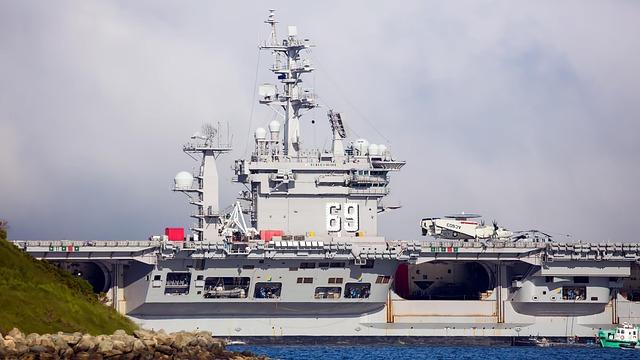
In a significant development amidst escalating tensions between the United States and Venezuela, a U.S. warship has docked in Trinidad and Tobago, marking a strategic move in the Caribbean region. The arrival of the military vessel coincides with growing concerns over Venezuela’s political and economic instability, which has prompted heightened scrutiny from the U.S. government and its allies. This docking not only underscores America’s commitment to enhancing security partnerships in the region but also reflects the geopolitical complexities that are shaping relations between neighboring countries. As the situation evolves, the implications of this military presence in the Caribbean will be closely monitored by analysts and policymakers alike.
US Warship Deploys to Trinidad and Tobago as Tensions Escalate with Venezuela
A U.S. Navy warship has arrived in Trinidad and Tobago, signaling an increased military presence in the Caribbean as diplomatic relations with Venezuela grow increasingly strained. As part of a larger strategy to bolster regional security, the U.S. government aims to deter potential threats posed by the Venezuelan regime. Authorities in Port of Spain have welcomed the vessel, noting its significance in strengthening bilateral ties and aiding in maritime security operations. Local residents expressed a mix of curiosity and concern, aware of the complexities in the geopolitical landscape.
The deployment comes amidst rising tensions, characterized by increased military exercises and political rhetoric from Venezuela. Observers point out several key factors contributing to the situation, including:
- Humanitarian Crisis: Venezuela’s ongoing economic collapse has led to a mass exodus of citizens, prompting concerns over regional stability.
- Narcotrafficking Activities: The proliferation of drug trafficking routes from Venezuela into the Caribbean poses significant challenges to local law enforcement.
- Oil Interests: U.S. sanctions on Venezuela’s oil production have heightened tensions, particularly as international markets fluctuate.
Strategic Implications of US Naval Presence in the Caribbean Region
The recent docking of a US warship in Trinidad and Tobago underscores the strategic importance of the Caribbean region amid escalating tensions with Venezuela. The presence of US naval forces serves multiple purposes, ranging from ensuring regional security to projecting power in an area fraught with geopolitical challenges. As Venezuela grapples with internal strife and economic instability, the US seeks to strengthen alliances with Caribbean nations, emphasizing partnerships that bolster collective security against potential threats.
This military maneuver not only signals a commitment to regional stability but also serves as a warning to adversaries. The strategic implications include:
- Enhanced Partnerships: Strengthening ties with Caribbean countries through joint exercises and cooperative security initiatives.
- Countering Influence: Mitigating the growing influence of non-Western actors in the region, particularly Russia and China.
- Deterrence: Disrupting potential maritime threats posed by Venezuela’s naval capabilities.’
| Implication | Description |
|---|---|
| Regional Security | Collaborating with local forces to ensure stability. |
| Intelligence Sharing | Improved data exchange on regional threats. |
| Economic Interests | Safeguarding trade routes and energy supplies. |
Recommendations for Caribbean Nations in Response to Heightened Military Activity
In light of the recent docking of a US warship in Trinidad and Tobago, Caribbean nations must consider strategic responses to the escalating tensions with Venezuela. It is critical for regional leaders to engage in comprehensive dialogue to safeguard national interests and ensure collective security. Key actions to consider include:
- Regional Diplomacy: Strengthening diplomatic ties among Caribbean nations and fostering a unified stance on regional security issues.
- Monitoring Developments: Establishing a collaborative intelligence-sharing network to assess and respond to military activities in the region.
- Enhanced Defense Cooperation: Exploring defense partnerships with international allies to bolster military readiness without escalating hostilities.
Furthermore, the Caribbean Community (CARICOM) should take the lead in advocating for non-intervention and peaceful resolution of conflicts. Recognizing the diverse political landscapes within the region, member states could benefit from establishing a framework to address these tensions that prioritizes dialogue over confrontation. A proposed approach includes:
| Strategy | Expected Outcome |
|---|---|
| Establish a Peacekeeping Initiative | Promote stability and goodwill among member states. |
| Conduct Joint Military Exercises | Enhance regional defense capabilities and cooperation. |
| Engage in Open Forums | Encourage public discourse and community engagement. |
Key Takeaways
In conclusion, the recent docking of a United States warship in Trinidad and Tobago underscores the escalating tensions in the region, particularly concerning Venezuela’s political and economic crises. This move not only highlights the strategic partnerships within the Caribbean but also raises questions about the implications for regional security and diplomatic relations. As the situation develops, it will be crucial to monitor how these military maneuvers impact the fragile balance of power in South America and the Caribbean. AFRO News will continue to provide updates and insights on this evolving story.

